Minh Travel Vlogger
Day Trip from Tokyo to Odawara with the Tokaido Shinkansen
Hi, I'm Minh, a travel vlogger based in Tokyo.
It's been nearly ten years since I first started my life in Japan, and in many ways, those years have also been filled with countless journeys across the country, exploring beautiful towns, hidden corners, and places that quietly leave a lasting impression.
Some destinations I visit once and move on from. But there are also places that keep drawing me back, each visit offering something new to discover. Odawara is one of those places.
I've visited in autumn, when the air was crisp and refreshing. I've been here during cherry blossom season, when soft pink petals surrounded the historic castle grounds. And this time, I returned in mid-May, just as the fresh greenery of early summer began to appear and the warm spring sunlight gently covered the city in a calm, peaceful glow.
So today, let me take you along on a relaxing day trip to Odawara via the Tokaido Shinkansen.
The Journey Begins at Shinagawa Station
I booked my Shinkansen ticket the night before using the smartEX app, which is honestly one of the most convenient ways to travel by bullet train in Japan. Once you register an account, you can reserve tickets directly from your phone without paying any membership fee or lining up at the station.
One of my favorite features is the flexibility. You can change your train or departure time just minutes before boarding, which makes spontaneous trips like this so much easier.
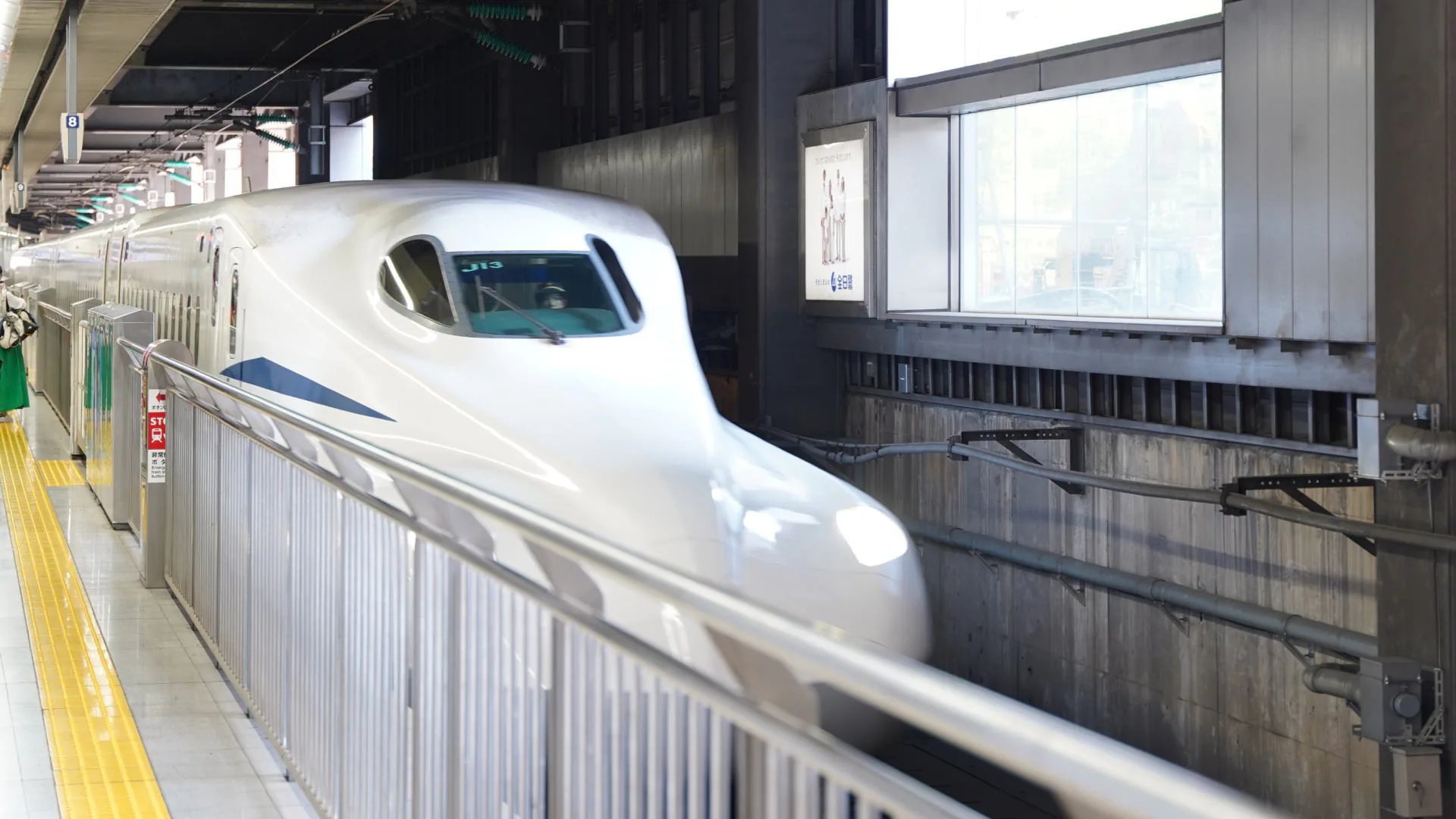
Waiting for the Shinkansen at Shinagawa station
A few small tips if you're planning to take the Shinkansen:
- If you're traveling with oversized luggage (with the total of all three sides exceeding 160 cm), make sure to reserve a luggage space in advance. You can easily do this through the smartEX app as well.
- You can choose between window or aisle seats when booking. And here's a little tip not everyone knows: if you're traveling from Tokyo toward Kyoto or Osaka, choose a seat on the right-hand side of the train for a chance to see Mount Fuji. In Ordinary Cars, that would be Seat E, while in Green Cars, it's Seat D. (Please note that visibility depends on the weather and operating conditions, so Mount Fuji may not always be visible.)
- If you need to work while traveling, S Work Cars are available in Car 7 on applicable trains, designated spaces where you can comfortably join online meetings or make phone calls without disturbing other passengers.
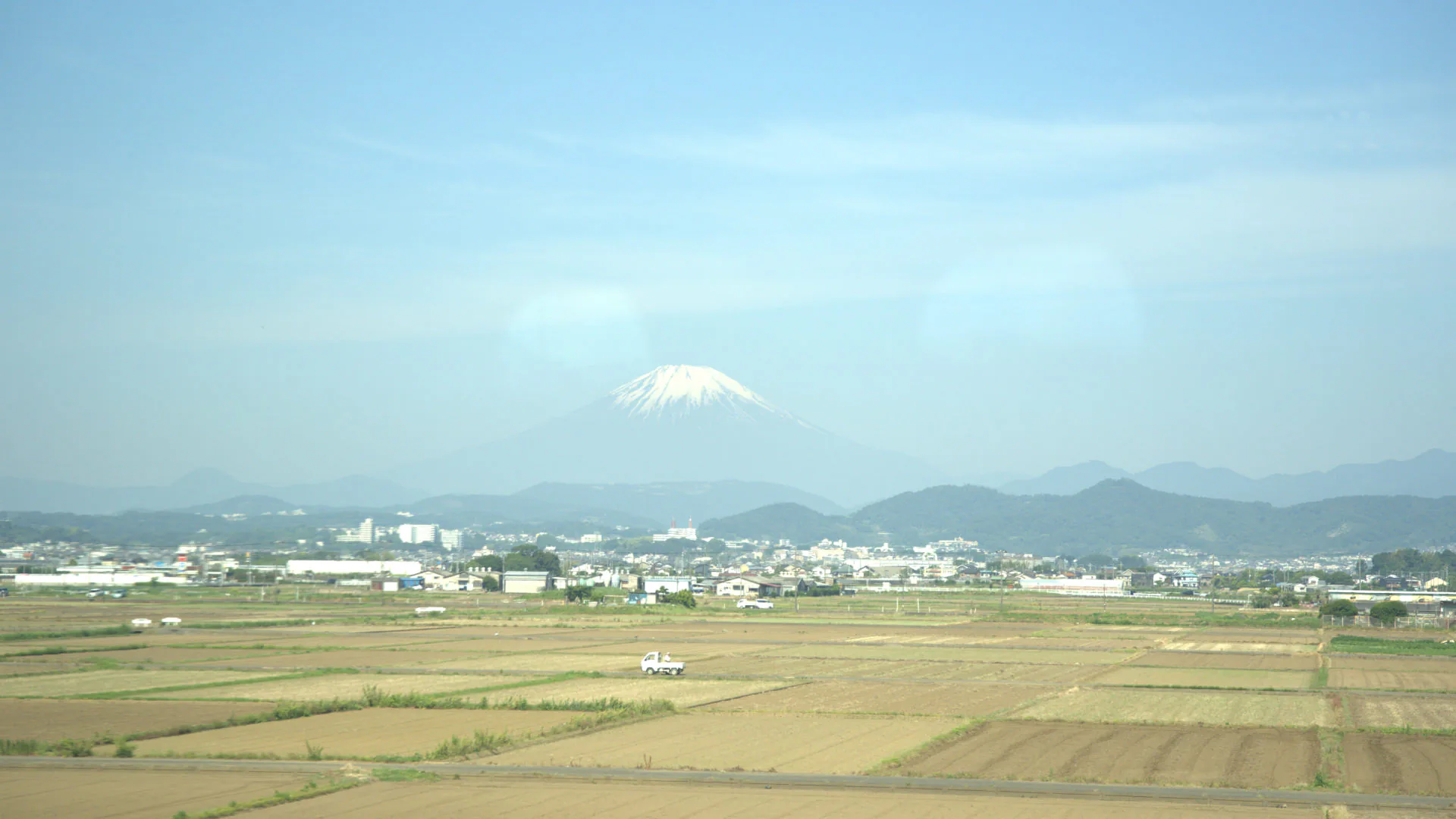
Mount Fuji from Tokaido Shinkansen
Odawara — More Than Just a Historic Castle Town
About thirty minutes later, we arrived at Odawara Station.
Located in Kanagawa Prefecture between Tokyo and Hakone, Odawara is best known for Odawara Castle, one of the most significant strongholds of Japan's Sengoku period. But after visiting several times, I realized the city offers far more than its famous castle.
There's the sea, a lively fishing port, quiet local streets, and a slower rhythm of life that feels incredibly relaxing.
Odawara Castle and the Legacy of the Sengoku Era
Odawara Castle was originally built in the early-to-mid 15th century and later became the headquarters of the powerful Hōjō clan, who ruled much of the Kantō region for nearly a century during Japan's Warring States period.
Most of the original structures were lost after the Meiji Restoration and later suffered severe damage during the Great Kantō Earthquake of 1923. The current main keep is a concrete reconstruction completed in 1960, carefully rebuilt based on historical documents from the Edo period. Many of the gates and surrounding turrets were also restored over the years to recreate the castle's former appearance.
Although it doesn't retain its original structure like Himeji Castle or Inuyama Castle, Odawara Castle was selected as one of Japan's "100 Famous Castles" in 2006, and in my opinion, it absolutely deserves the recognition.
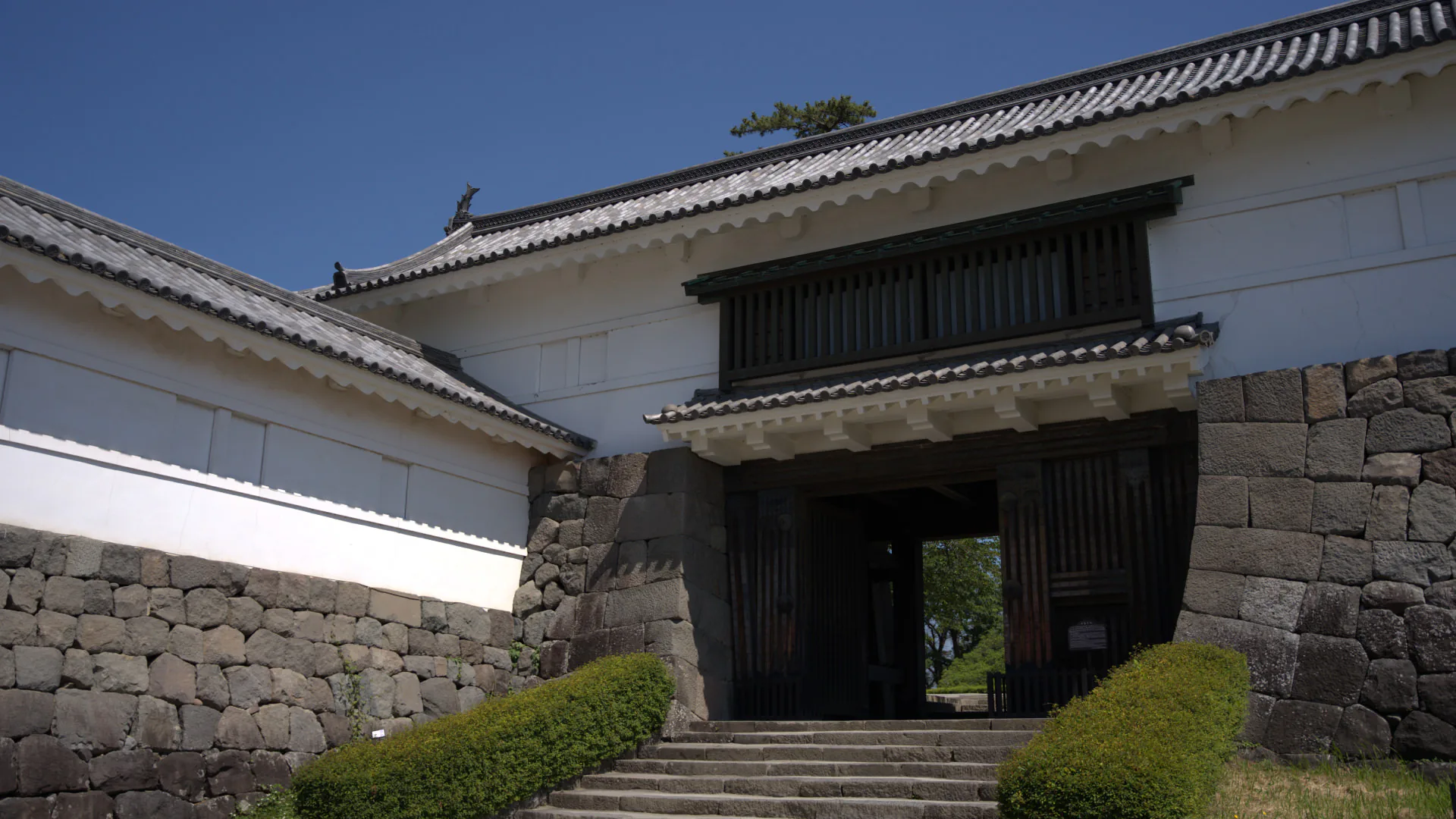 Tokiwagi Gate
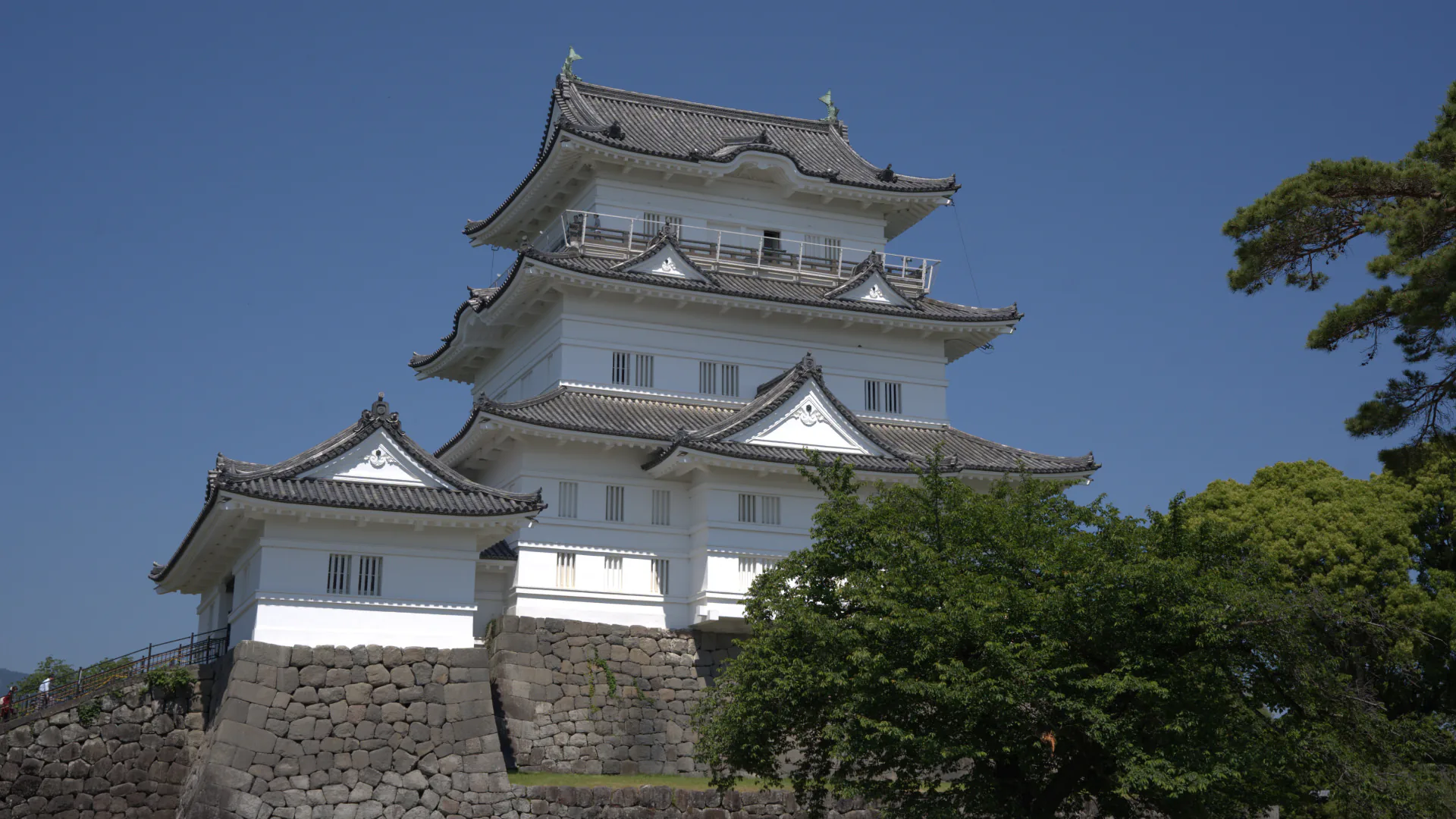 Odawara Castle
If you have time, I highly recommend going inside rather than only exploring the exterior grounds. There you can enjoy fascinating exhibits about the Hōjō clan, Sengoku-era battles, and historical artifacts including samurai armor, ancient paintings, ceramics, and historical documents.
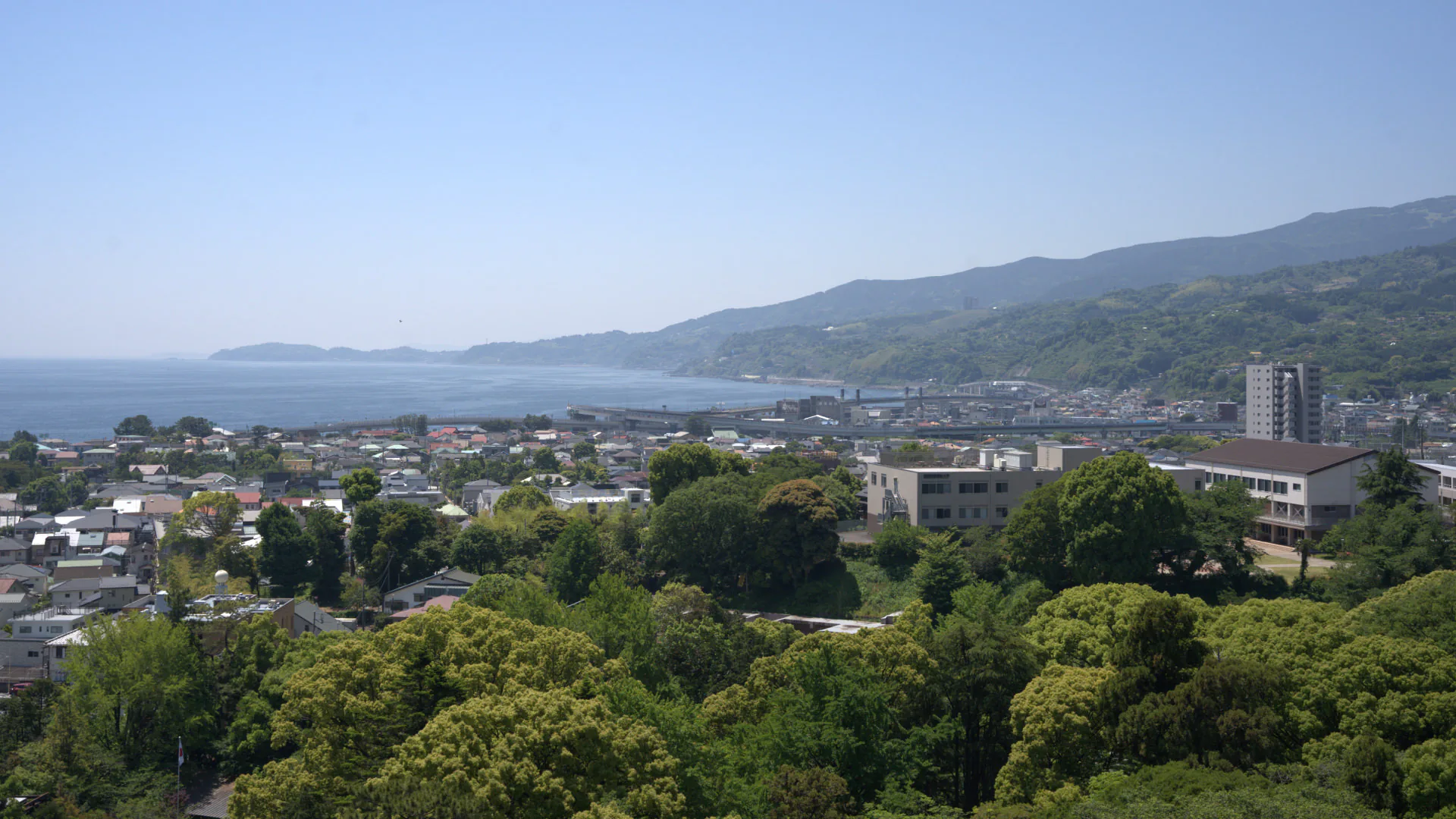
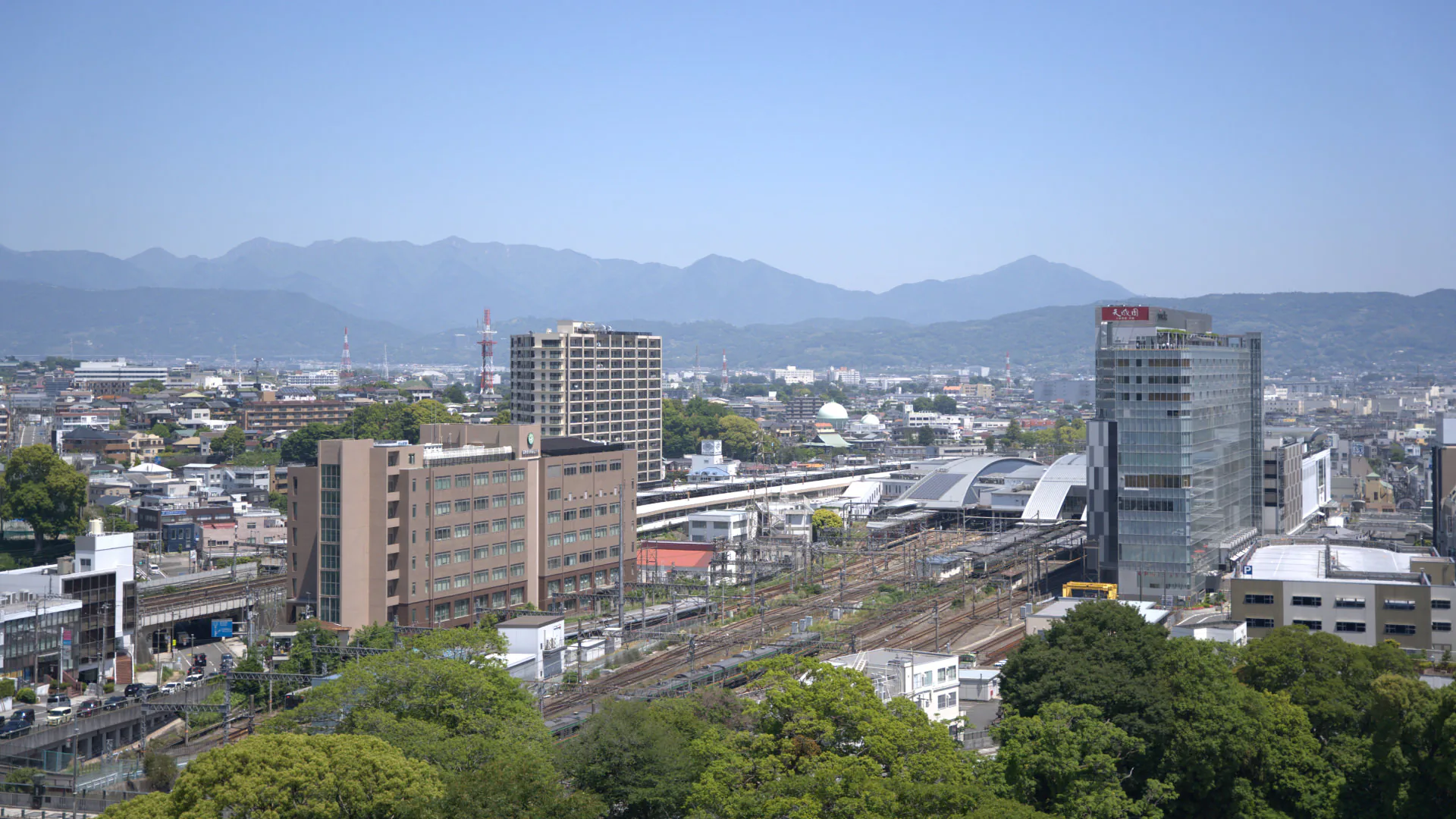
And don't miss the observation deck at the very top. The day we visited happened to be beautifully clear, so we could see the ocean, the mountains, and the entire city of Odawara stretching out below us. The view felt both expansive and incredibly peaceful.
After exploring the castle, we stumbled upon a small ice cream stand called Odawara Bokujo Ice Kōbō (Odawara Farm Ice Cream Factory) inside the castle grounds and decided to take a short break. For around ¥600, you can choose any two flavors you like. On a warm early summer afternoon, sitting down with an ice cream and taking in the peaceful atmosphere of the castle grounds felt absolutely perfect.

A Ninja Experience at Odawara Castle NINJA Museum
One thing I had always somehow missed on previous trips was Odawara Castle NINJA Museum, the ninja experience center located within the castle grounds.
The space introduces visitors to the history of ninjas and their role during the Sengoku era. Alongside the exhibits, there are also plenty of interactive activities: climbing walls, obstacle courses, stealth challenges, code-breaking games, shuriken throwing, and even simulated spy missions.
Although it's mainly designed for families and tourists, I still found it genuinely fun and surprisingly engaging.
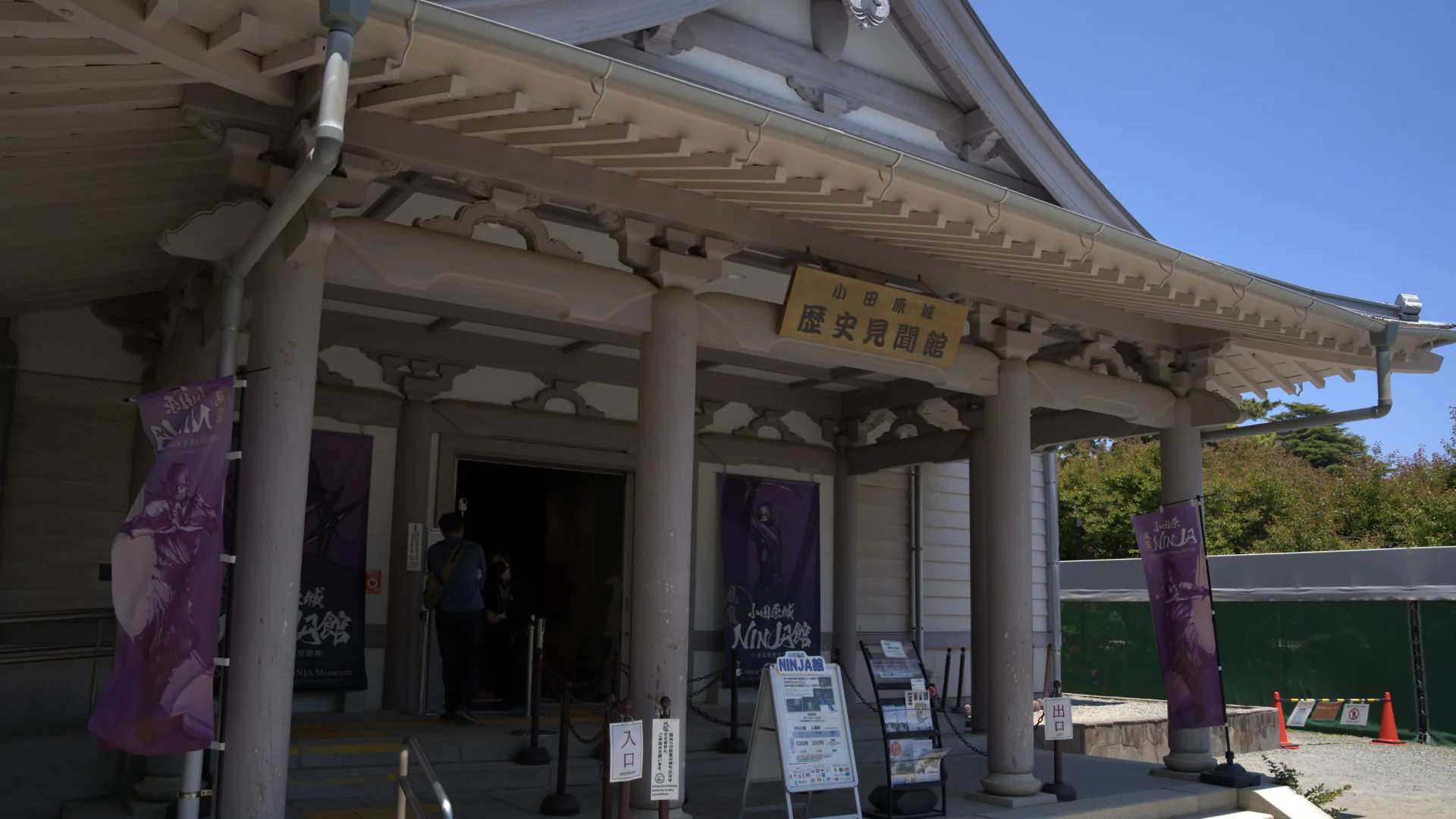 NINJA Museum
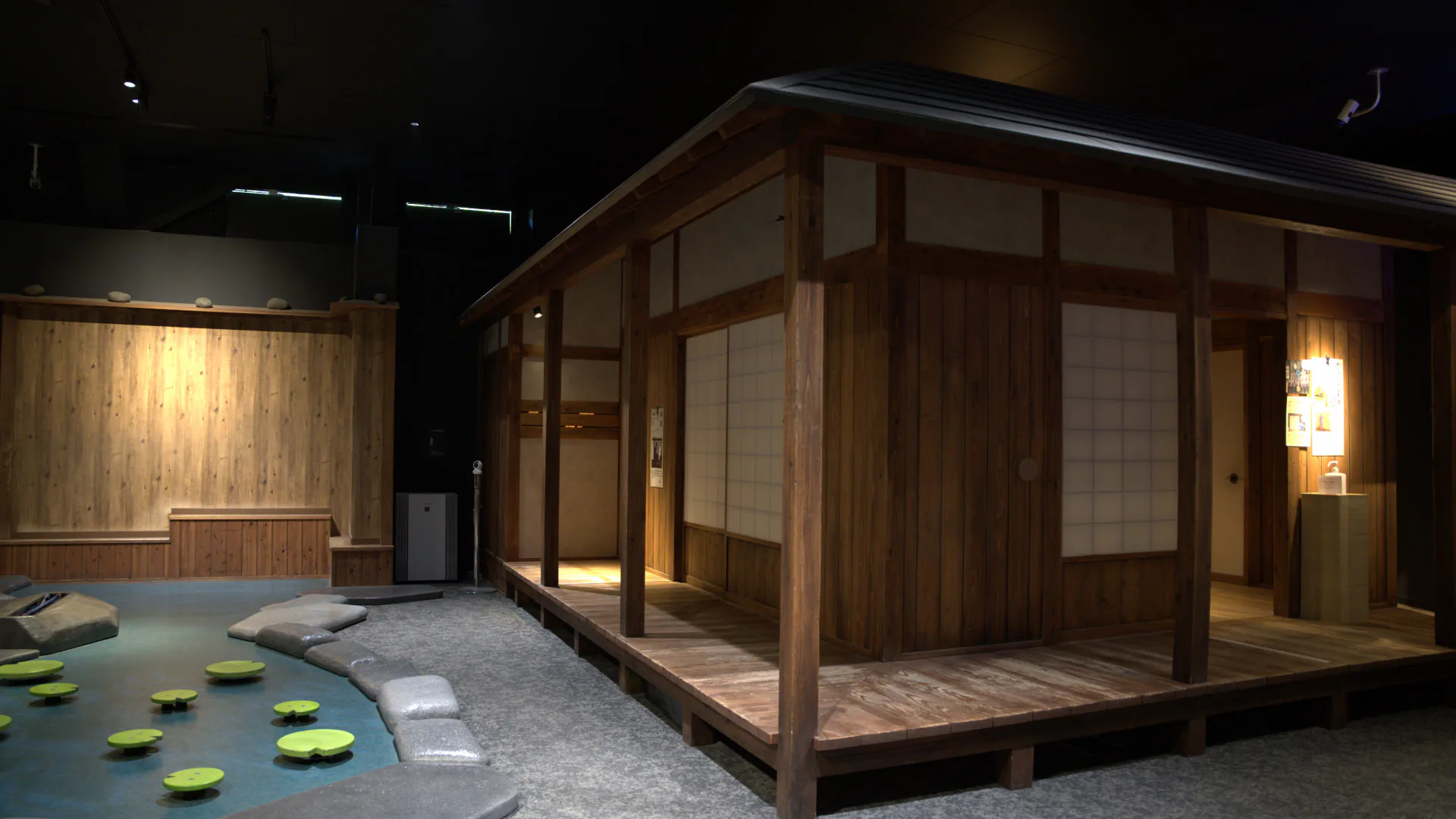
Odawara Fishing Port and a Fresh Seafood Lunch
Around lunchtime, we headed to Odawara Fishing Port to try some of the local seafood.
The port is located near Hayakawa Station, just one stop away from Odawara Station and only a two- or three-minute train ride. From the station, it's just a short walk to the waterfront where fishing boats line the harbor.
This was actually my first time visiting this area, and I was honestly surprised by how charming it was. I never expected such a vibrant little fishing town to exist so close to Odawara Castle. The atmosphere felt lively without losing the calm, laid-back feeling of a small seaside community.
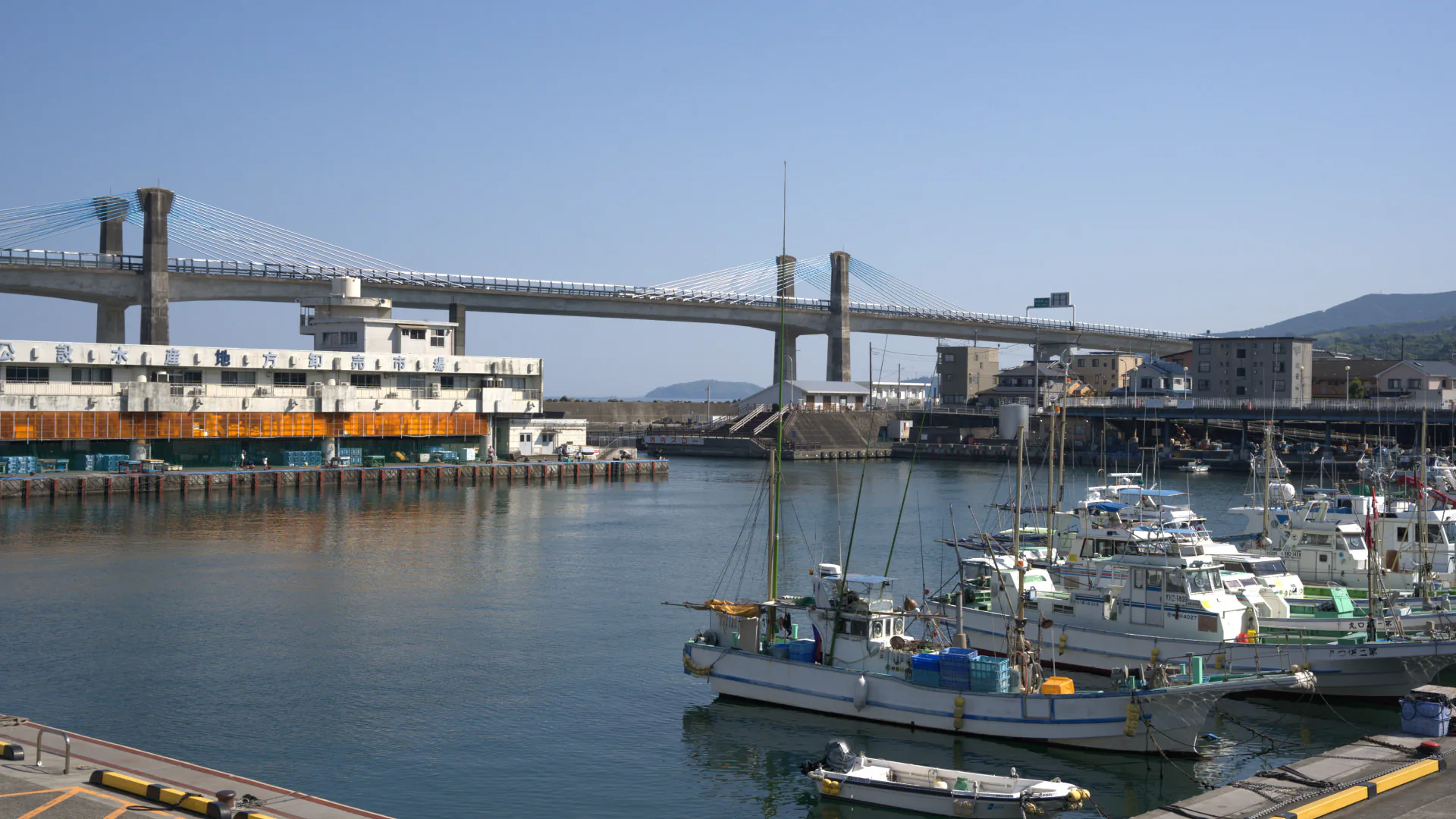 Odawara Fishing Port
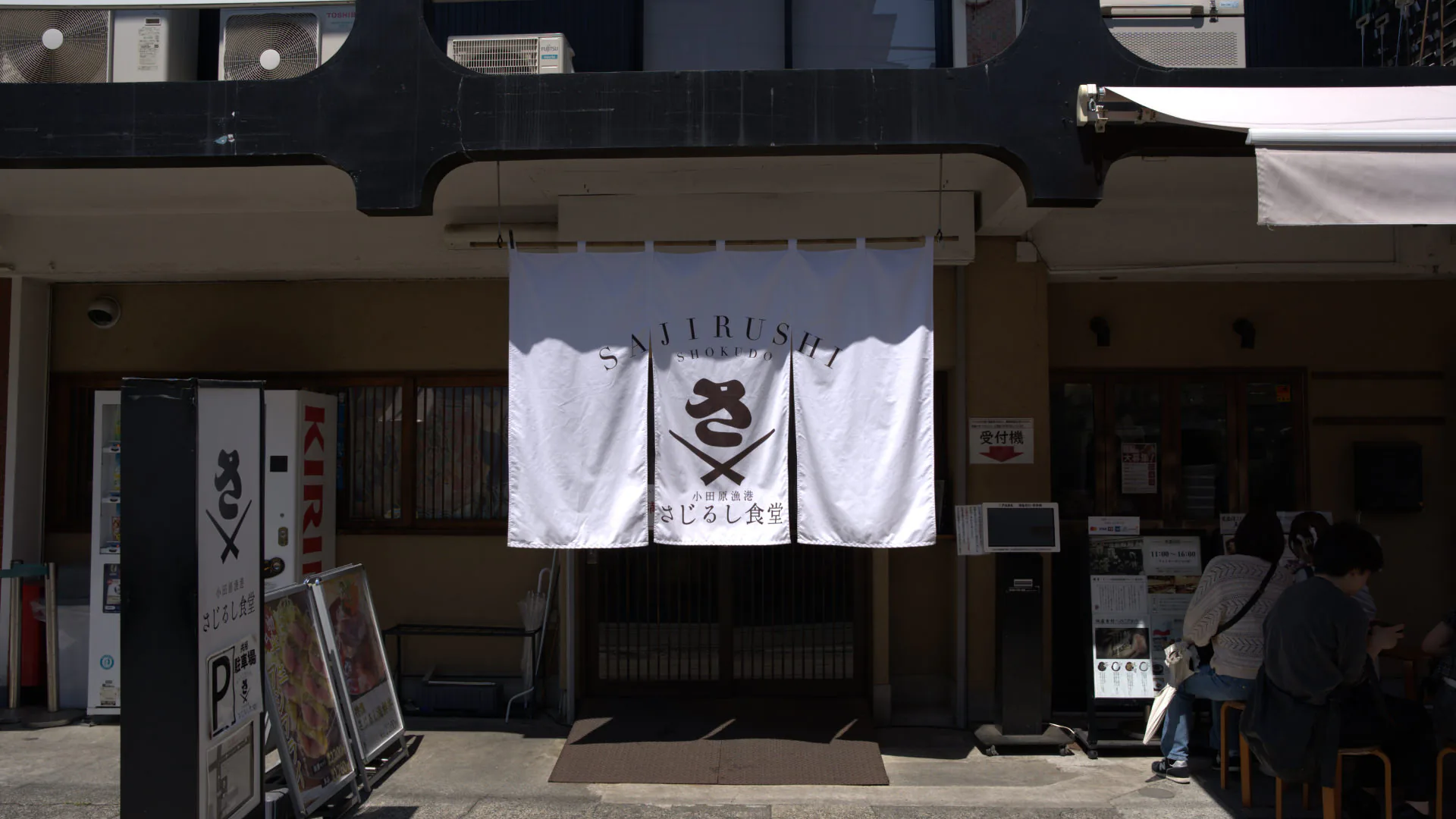 SAJIRUSHI Shokudo
For lunch, we chose SAJIRUSHI Shokudo, a well-known seafood restaurant in the Odawara Fishing Port area. The restaurant became especially famous for its "half-rare aji fry" (半生アジフライ), a dish that went viral on Japanese social media a few years ago and is served in limited quantities each day.
Since we arrived right around lunchtime, there was a short line, but thankfully the turnover was quick and we only waited about ten minutes before getting seated.
We ordered a kaisendon, the signature half-rare aji fry, and another meal set with sashimi and simmered fish.
The seafood was incredibly fresh. The sashimi slices were thick, sweet, and practically melted in the mouth. Seafood eaten right beside the fishing port really does taste different.
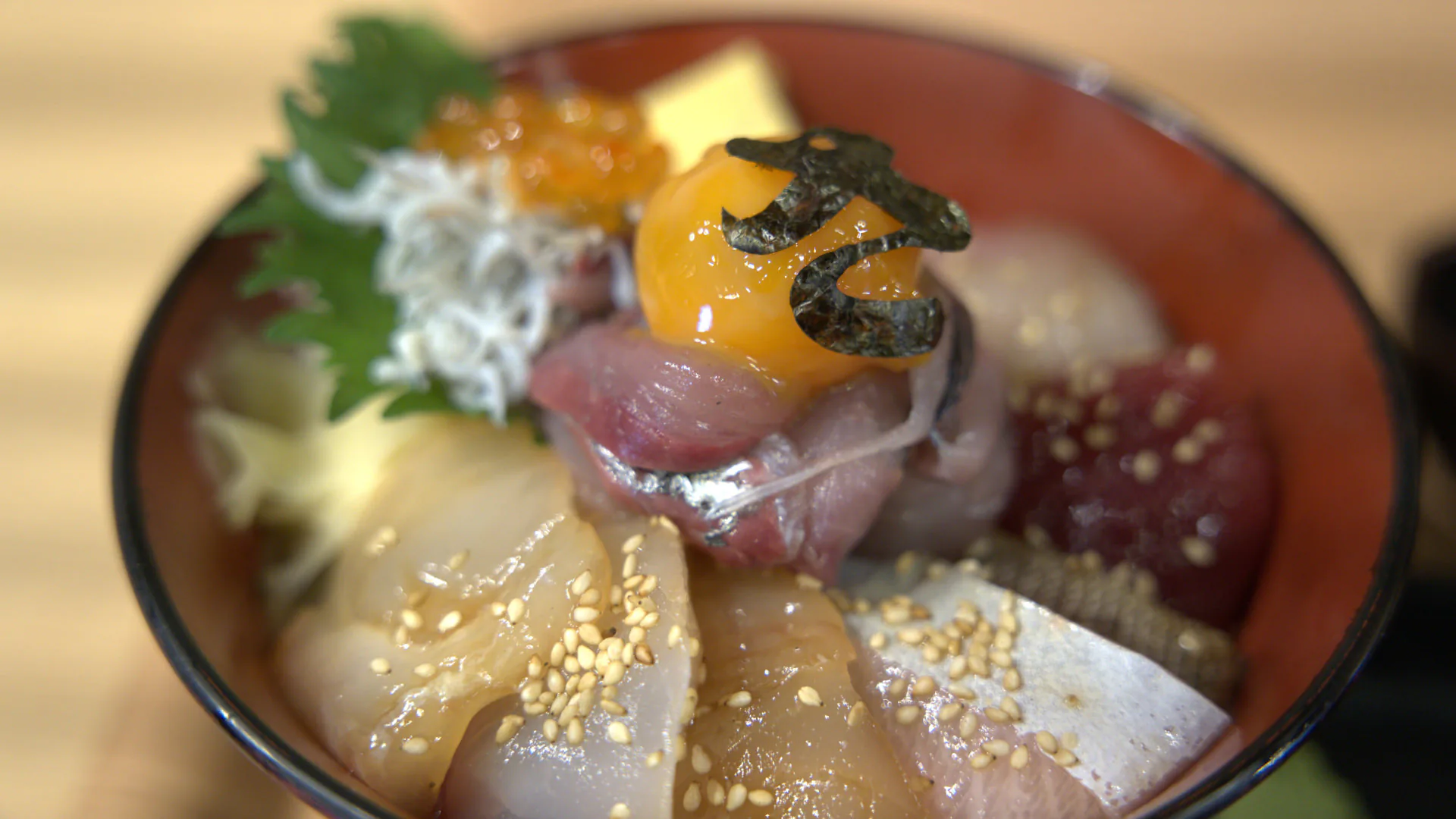 Kaisendon
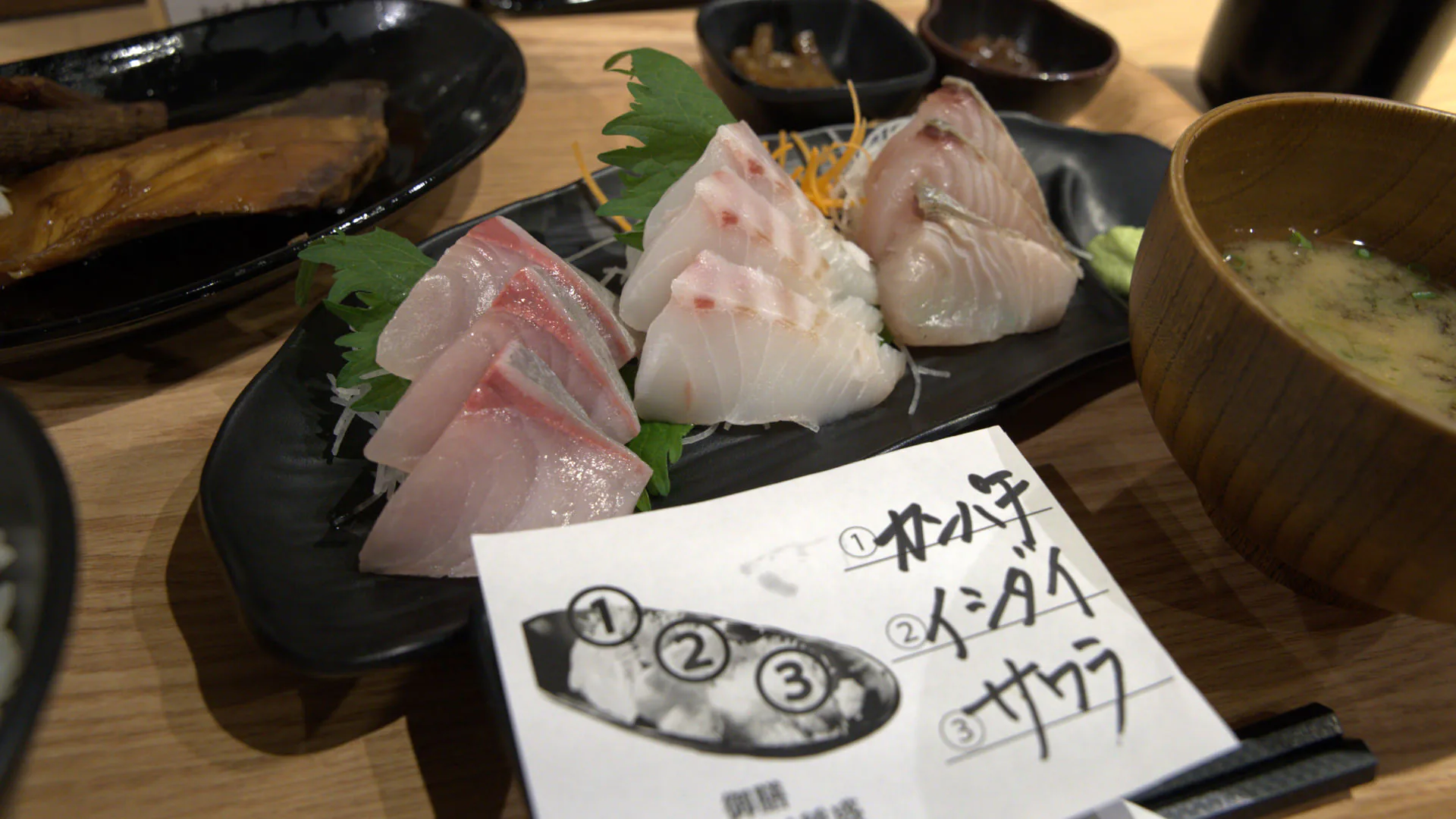 Sashimi
And if I had to recommend just one dish, it would absolutely be the half-rare aji fry. The outer layer was lightly crisp while the inside remained tender and naturally sweet. Paired with the accompanying herbs and condiments, the flavors became even more balanced and delicious.
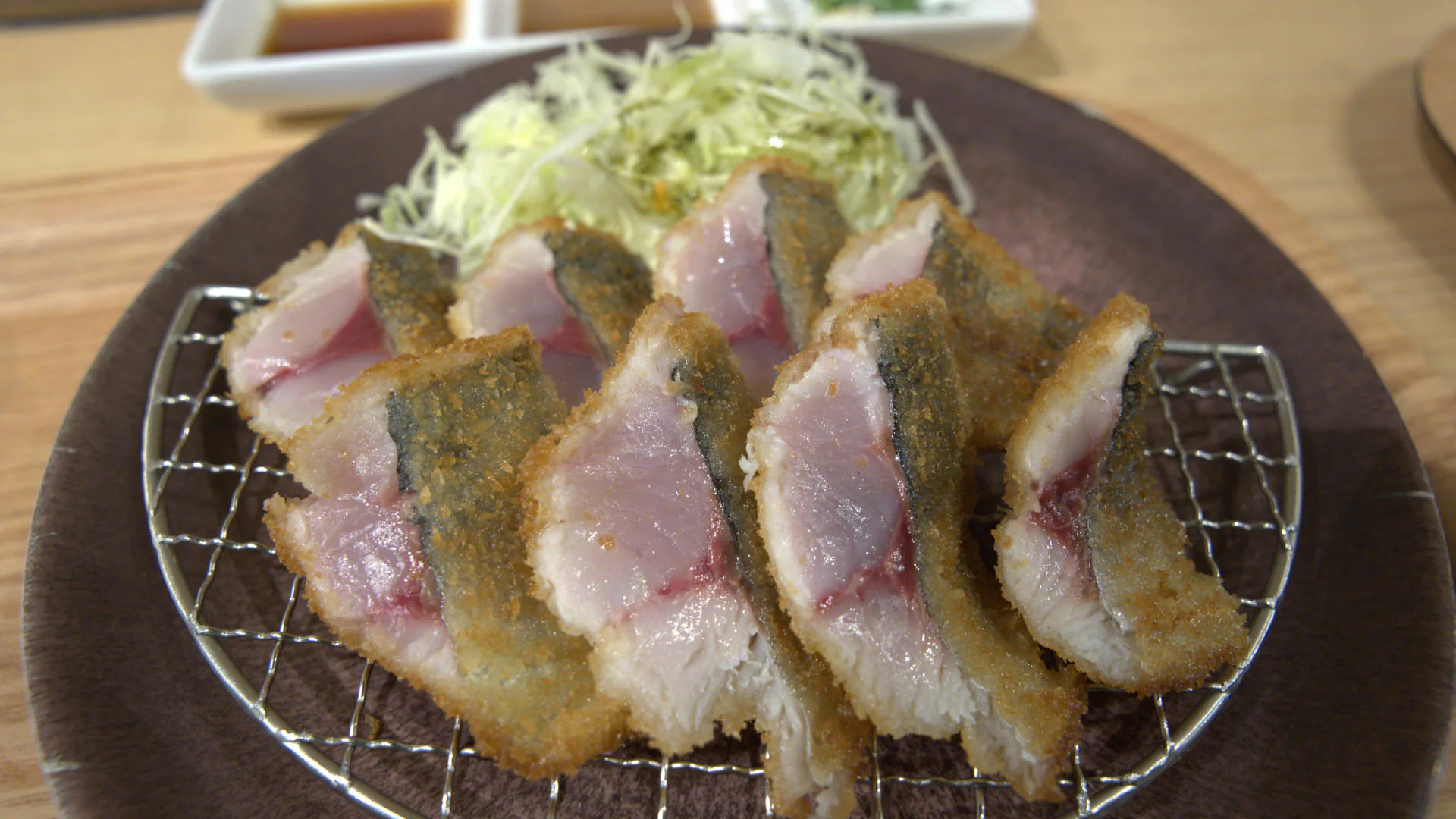
The Half-rare Aji Fry
The Lantern-Shaped Lighthouse
After lunch, we spent some time walking around the harbor. The weather that day was beautiful: gentle sunlight, clear blue skies, and calm seas. Many people were quietly fishing along the pier, creating an incredibly peaceful atmosphere.
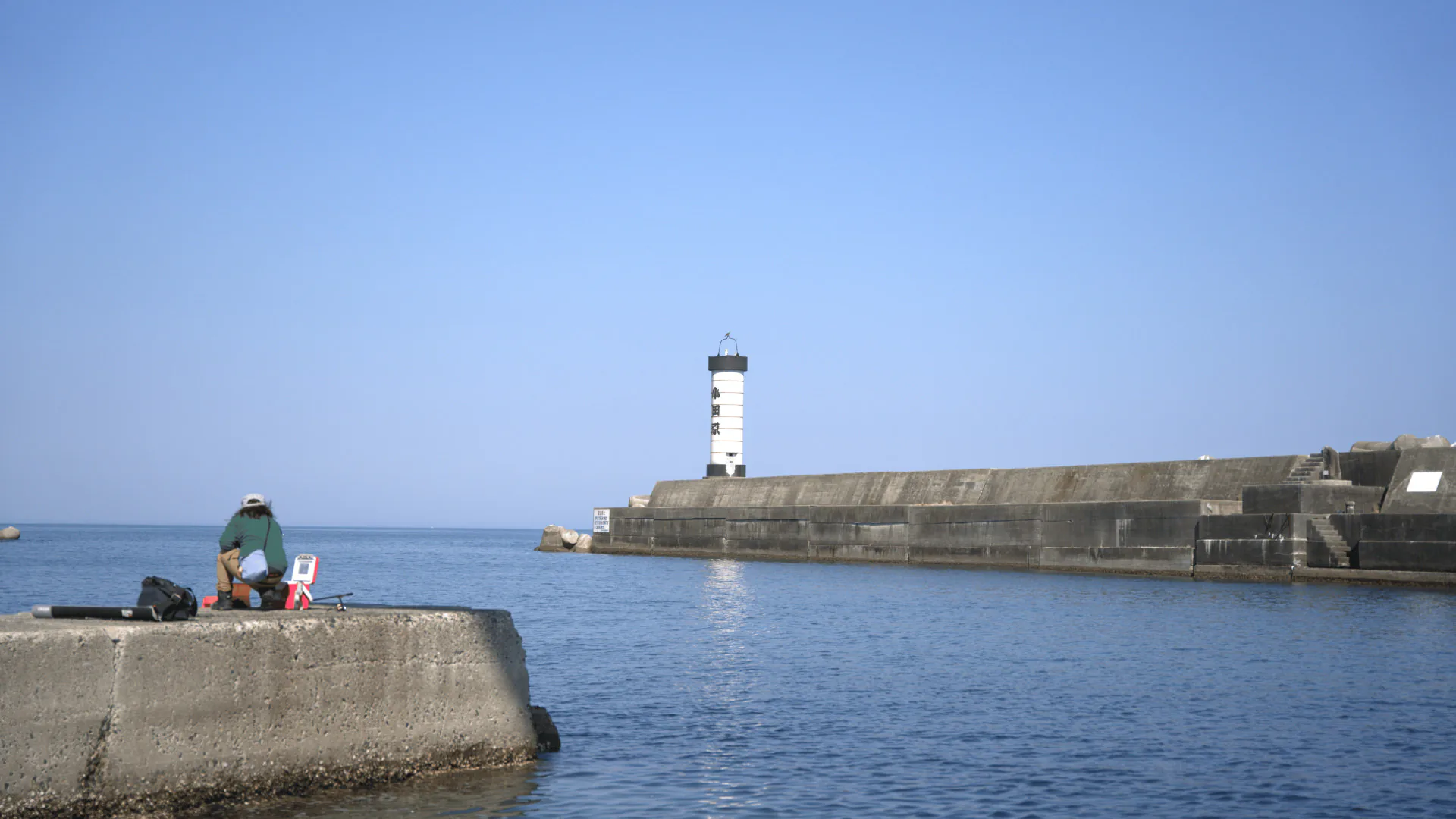
At the far end of the harbor stands a small lighthouse shaped like a traditional Japanese lantern, with the word "Odawara" written on it, the Odawara Chōchin Lighthouse. The design is deeply connected to the city's history.
Traditional paper lanterns, known as "Chōchin", have long been one of Odawara's famous crafts. During the Edo period, Odawara served as an important post town along the historic Tokaido route connecting Edo (Tokyo) and Kyoto. Local craftsmen produced compact, portable lanterns that travelers could easily carry during their journeys.
In a way, this lighthouse feels like a small symbol of Odawara's cultural heritage and long history.
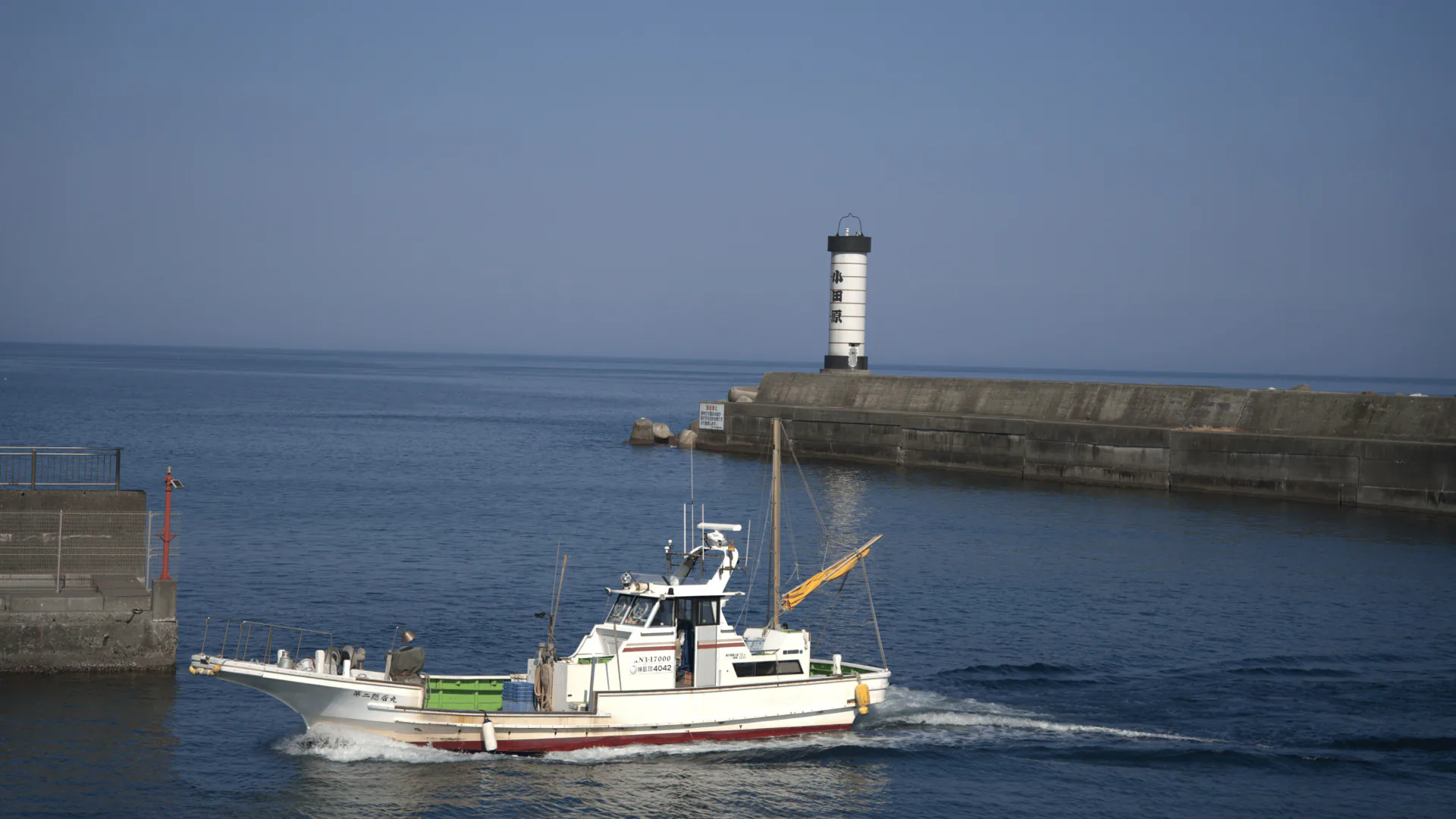
The Odawara Chochin Lighthouse
Miyukinohama Beach: A Quiet Seaside Escape in Odawara
Following the recommendation of a staff member near Hayakawa Station, we took a bus to Miyukinohama Beach.
On previous trips, I had mostly stayed around the castle area and Odawara Station, so this visit felt like discovering an entirely different side of the city.
The path leading to the beach was unexpectedly interesting. A narrow tunnel led toward the beach, and the moment we stepped through it, the wide open ocean suddenly appeared before us.
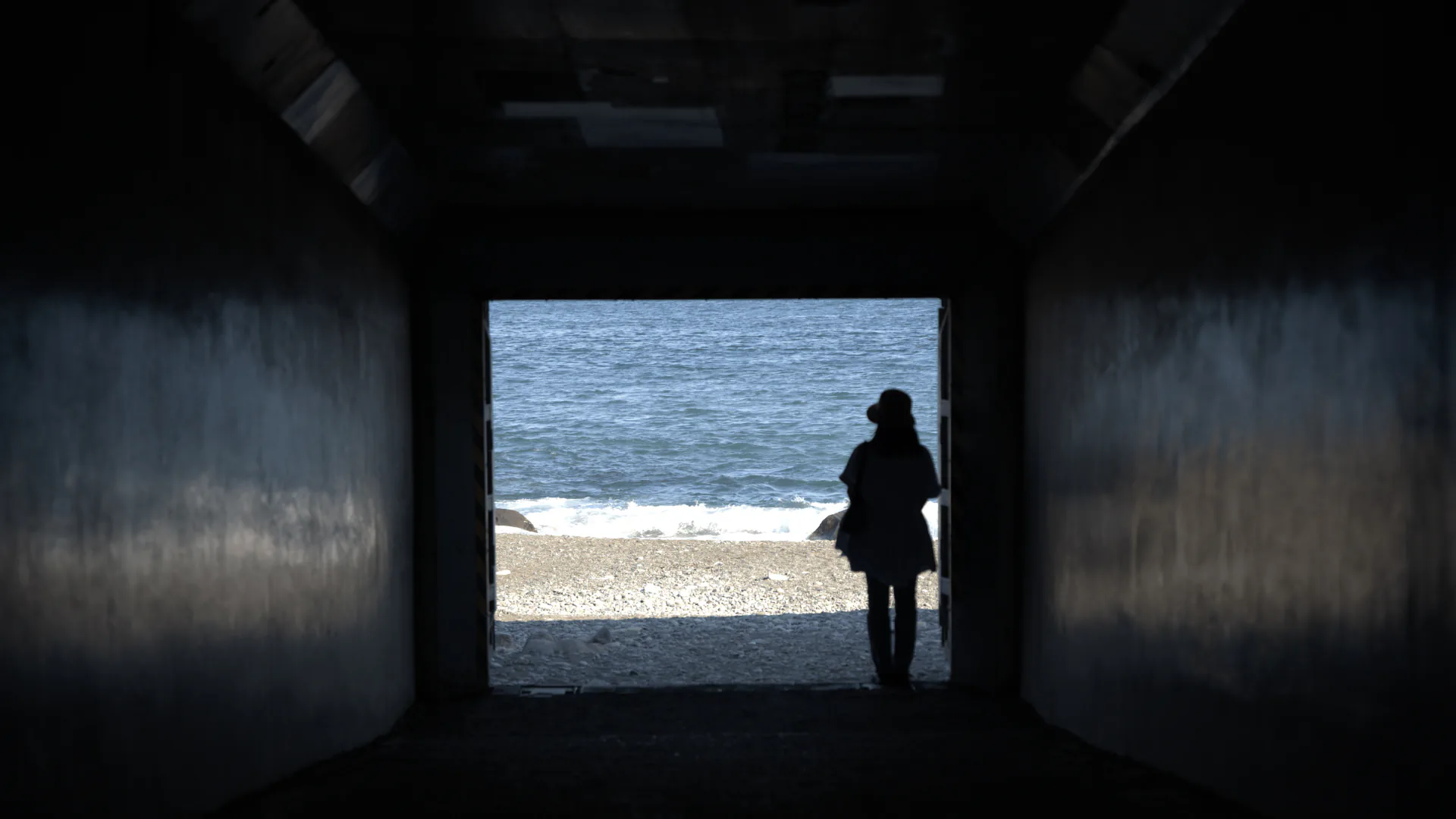
The tunnel led to Miyukinohama Beach
What struck me most about Miyukinohama was the tranquility. It wasn't crowded or noisy. Most people simply sat quietly along the rocky shoreline, listening to the waves and watching the sea. Every now and then, you'd hear the laughter of children playing nearby with their families.
Unlike sandy beaches, Miyukinohama is covered in pebbles and smooth stones, which somehow makes slow walks along the shore even more enjoyable. Searching for uniquely shaped stones became a surprisingly relaxing little activity.
We stayed until sunset, and honestly, the view was far more beautiful than I expected. The sky was completely clear that evening, and as the sun slowly set, the entire sky turned soft shades of pink and purple.
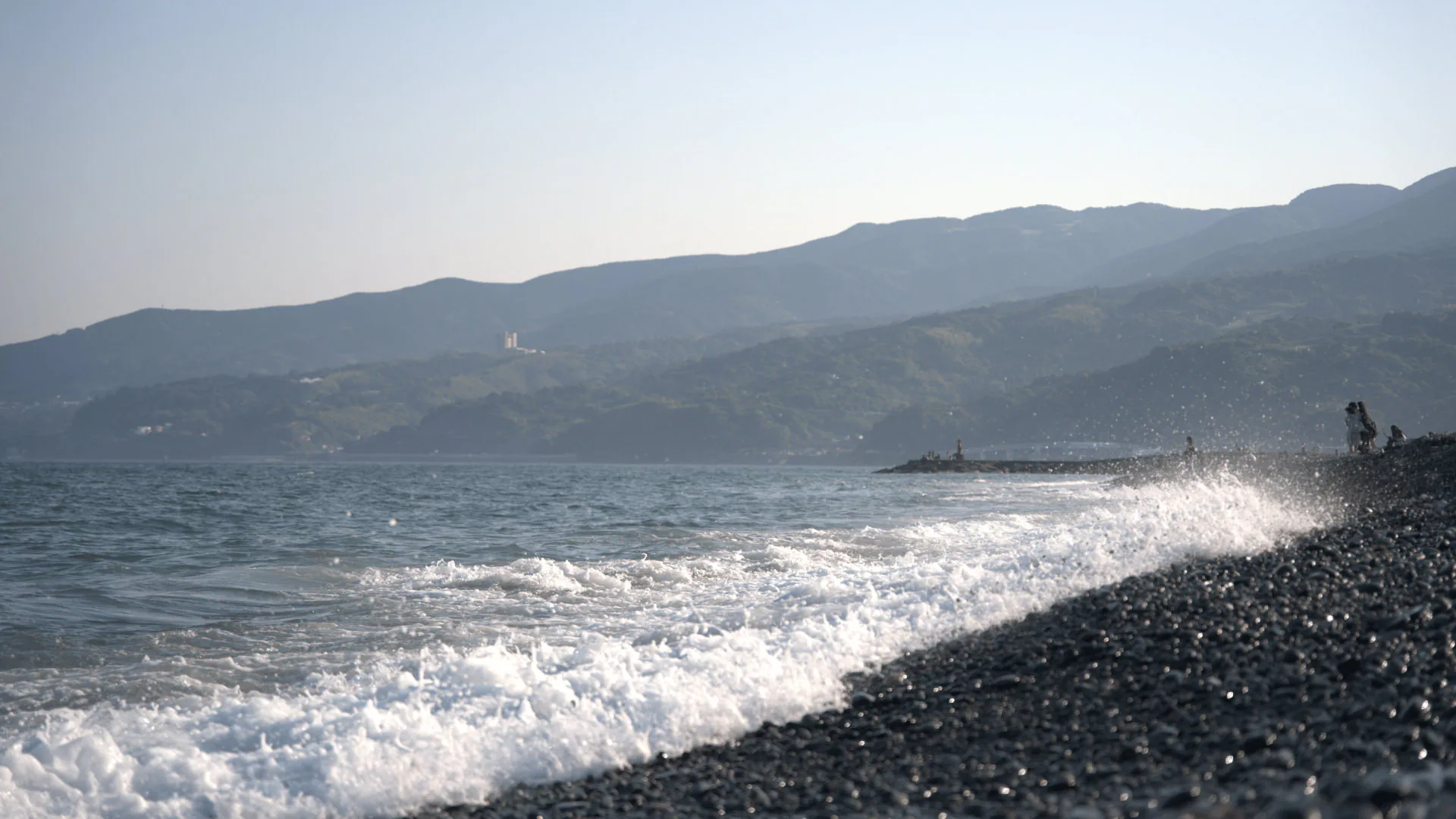
Miyukinohama Beach
If you ever visit Odawara, I genuinely recommend spending some time here.
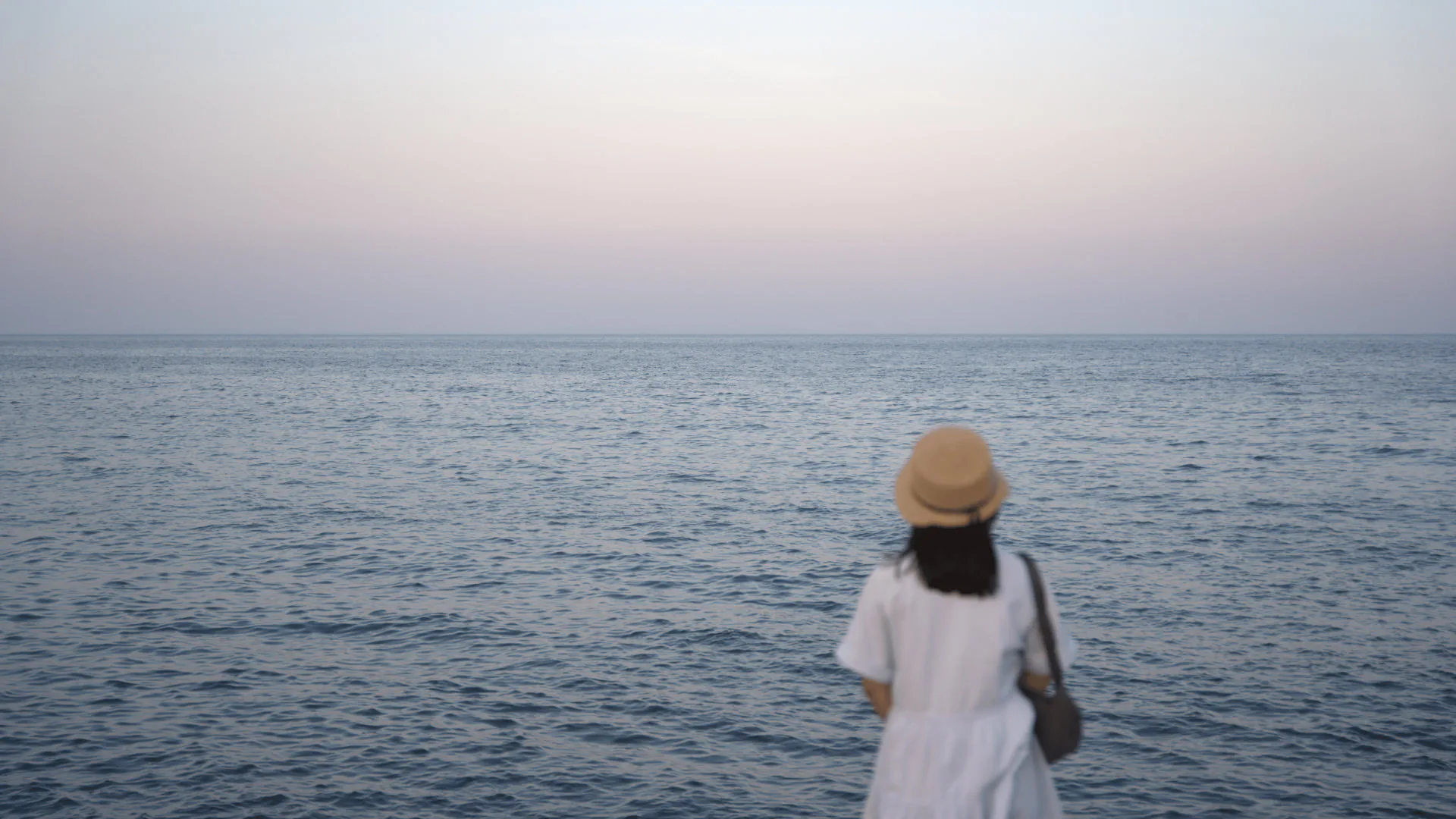
Sunset over Miyukinohama Beach
Minaka Odawara Observatory Footbath Garden
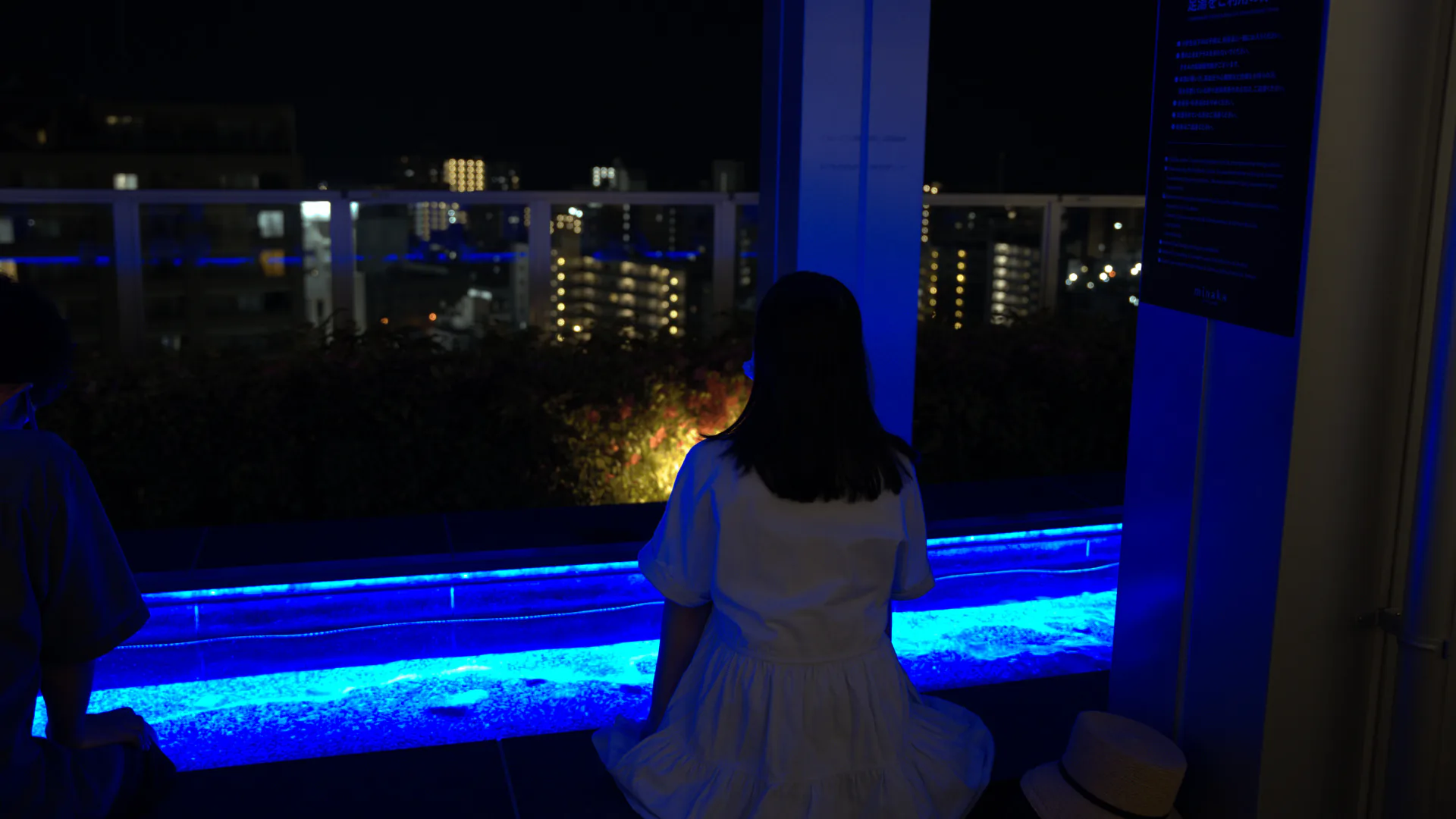
Our final stop after a long day of walking was the footbath onsen at Minaka Odawara, and the best part is that it's completely free.
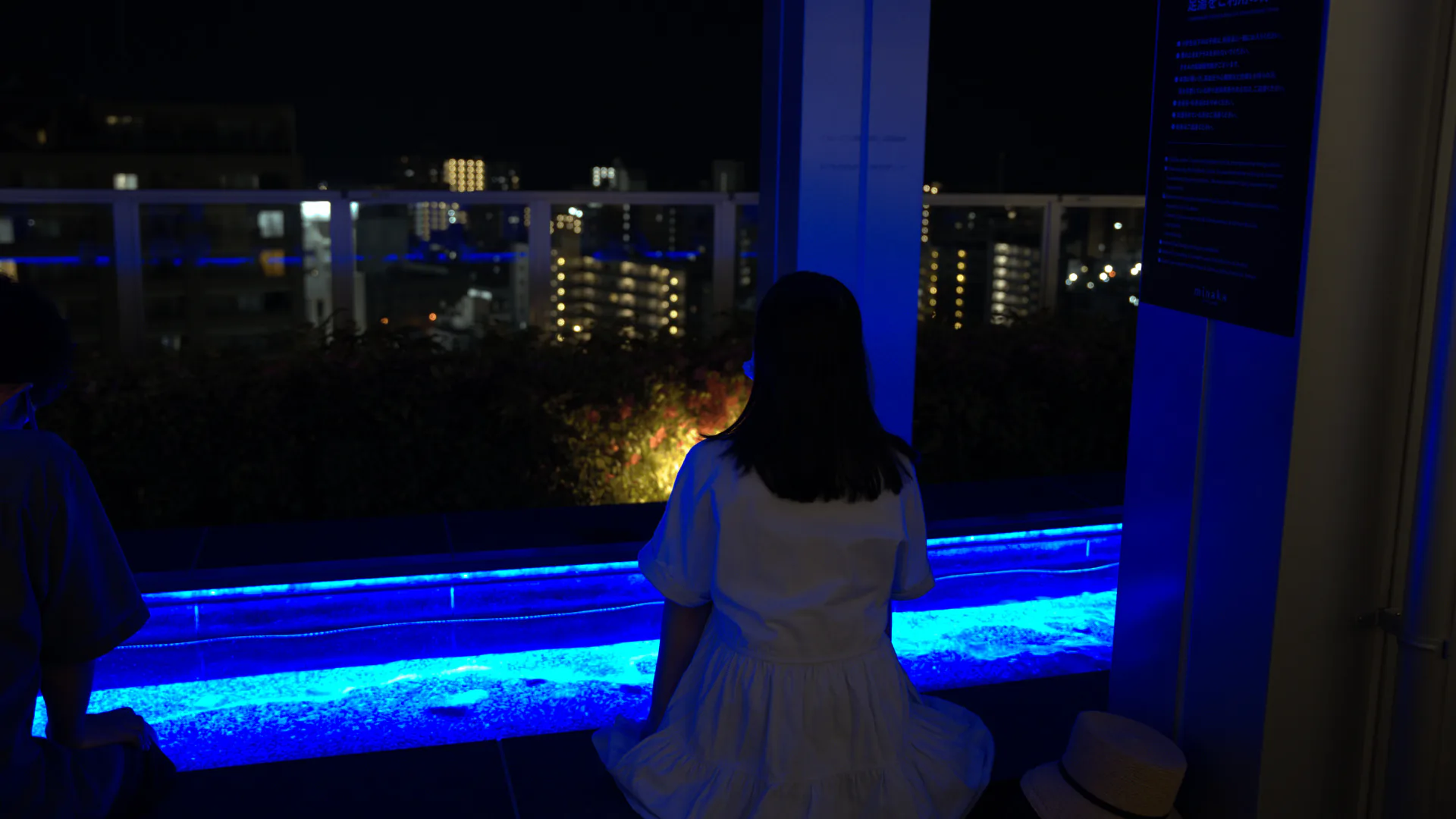
Minaka Odawara Observatory Footbath Garden
The footbath area is located on an elevated terrace overlooking the city, offering a surprisingly nice view. By the time we arrived, it was already dark because we had stayed at the beach for sunset, but the nighttime atmosphere still felt incredibly calm and relaxing.
After soaking our feet for just ten or fifteen minutes, all the fatigue from walking seemed to disappear, almost like getting a gentle massage. And if you forget to bring a towel, there's no need to worry, towels are available for purchase for only around ¥100.
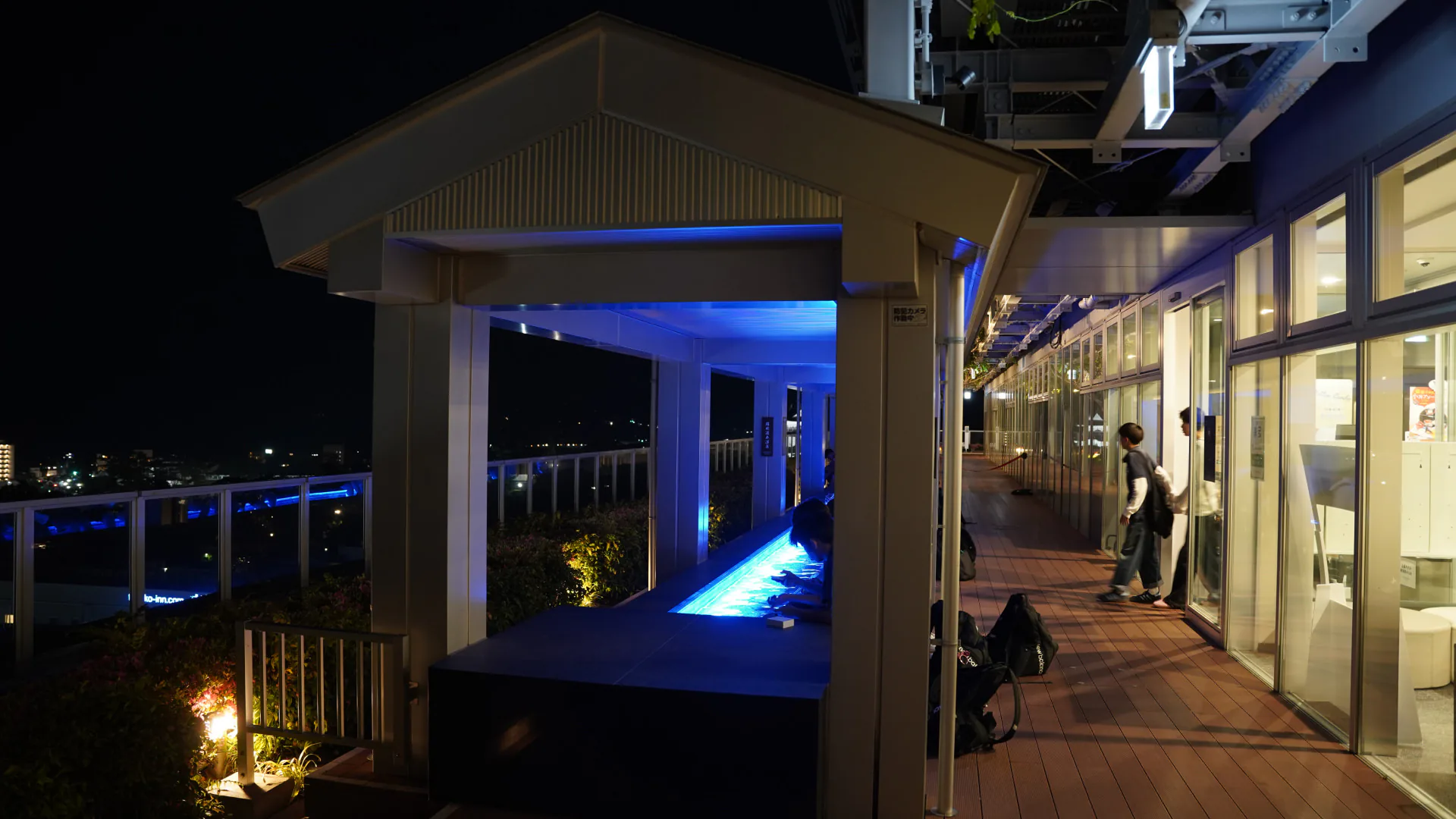 Minaka Odawara Observatory Footbath Garden
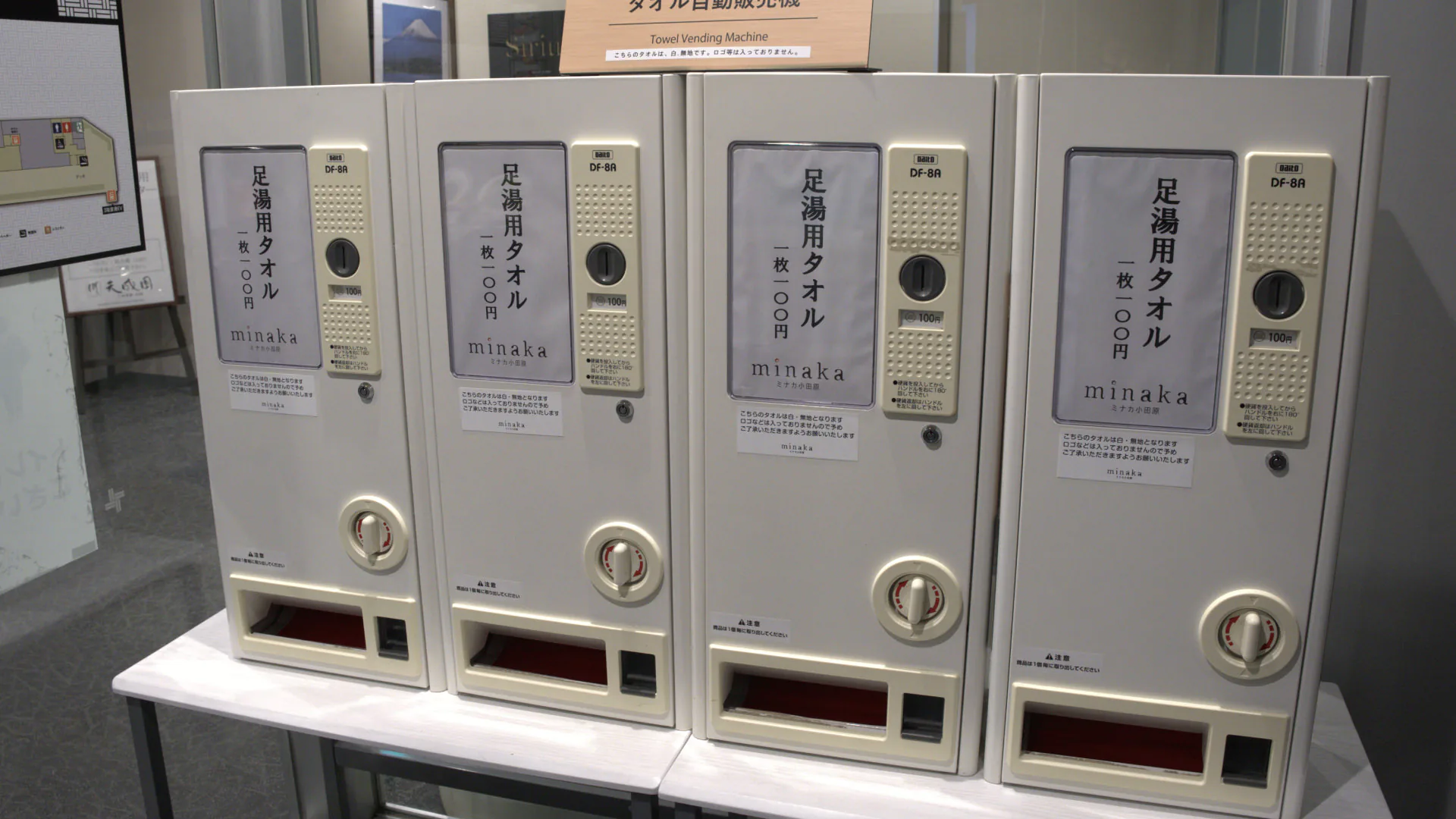 Towel Vending Machine
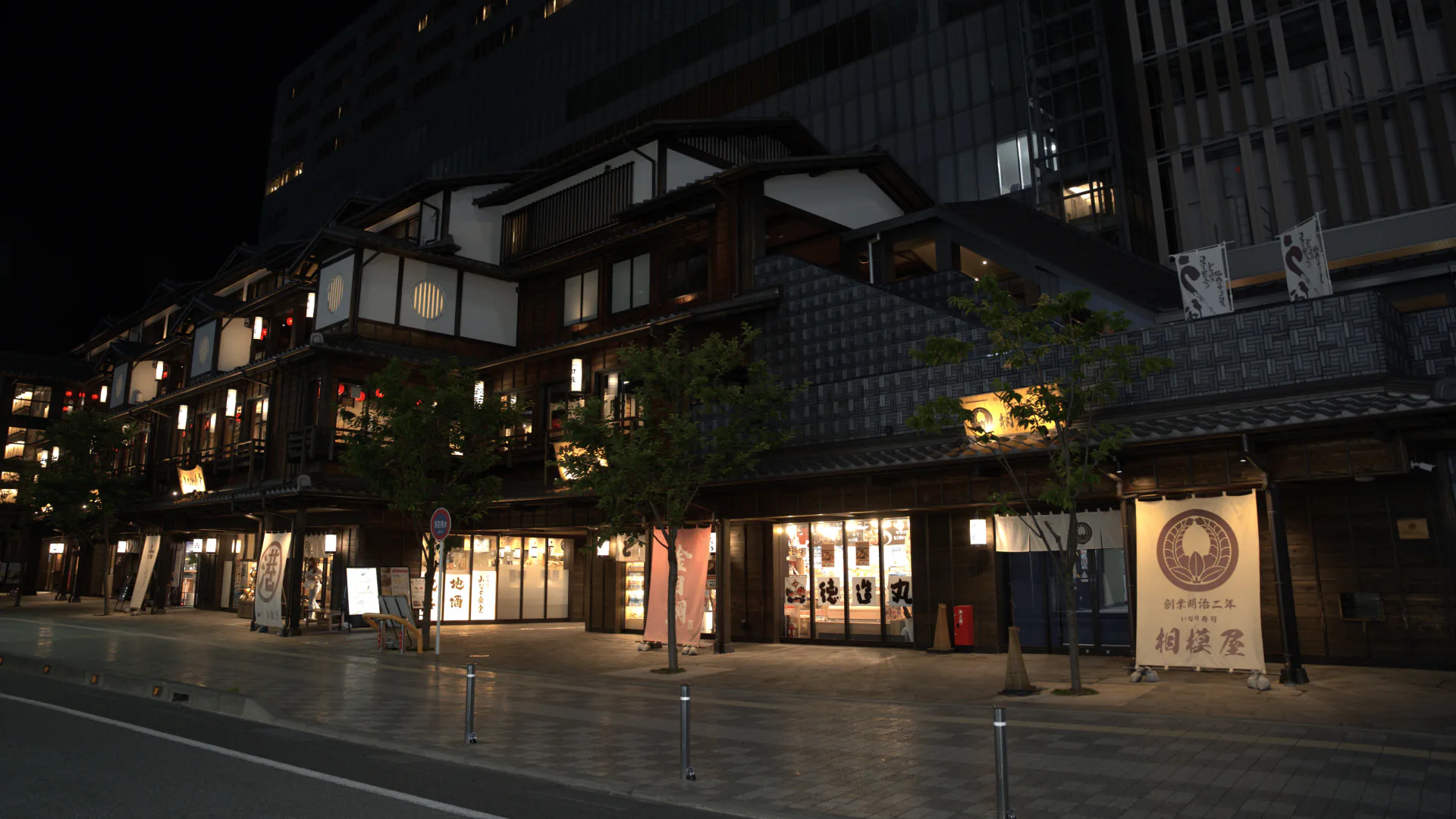
Minaka Odawara
Once our tired feet finally felt refreshed again, we headed back to the station and made our way back to Tokyo.
Even though this was far from my first visit to Odawara, the trip still felt surprisingly fresh thanks to the new places and experiences we discovered along the way.
If you're looking for an easy day trip from Tokyo, somewhere not too far away, not overly crowded, yet still filled with history, seaside scenery, incredible seafood, and quiet little corners where you can truly slow down and relax, then I genuinely think Odawara is a destination worth considering. And with the Tokaido Shinkansen, the journey becomes even more comfortable and convenient.