Bullet Trains, Castles and Eel: A Western Shizuoka Run from Nagoya
Course Highlights
A Day Built Around the Train Itself
Start inside the story — a museum where retired Shinkansen stand nose to nose — then live it, riding the real thing east along the Tokaido line. Hamamatsu answers with charcoal-grilled eel and a hilltop castle; Kakegawa follows with one of Japan's finest wooden reconstructed keeps and tea fields rolling to the horizon. Rattle home on a streetcar detour through Toyohashi, and you'll have covered four centuries of Japanese travel in a single day.
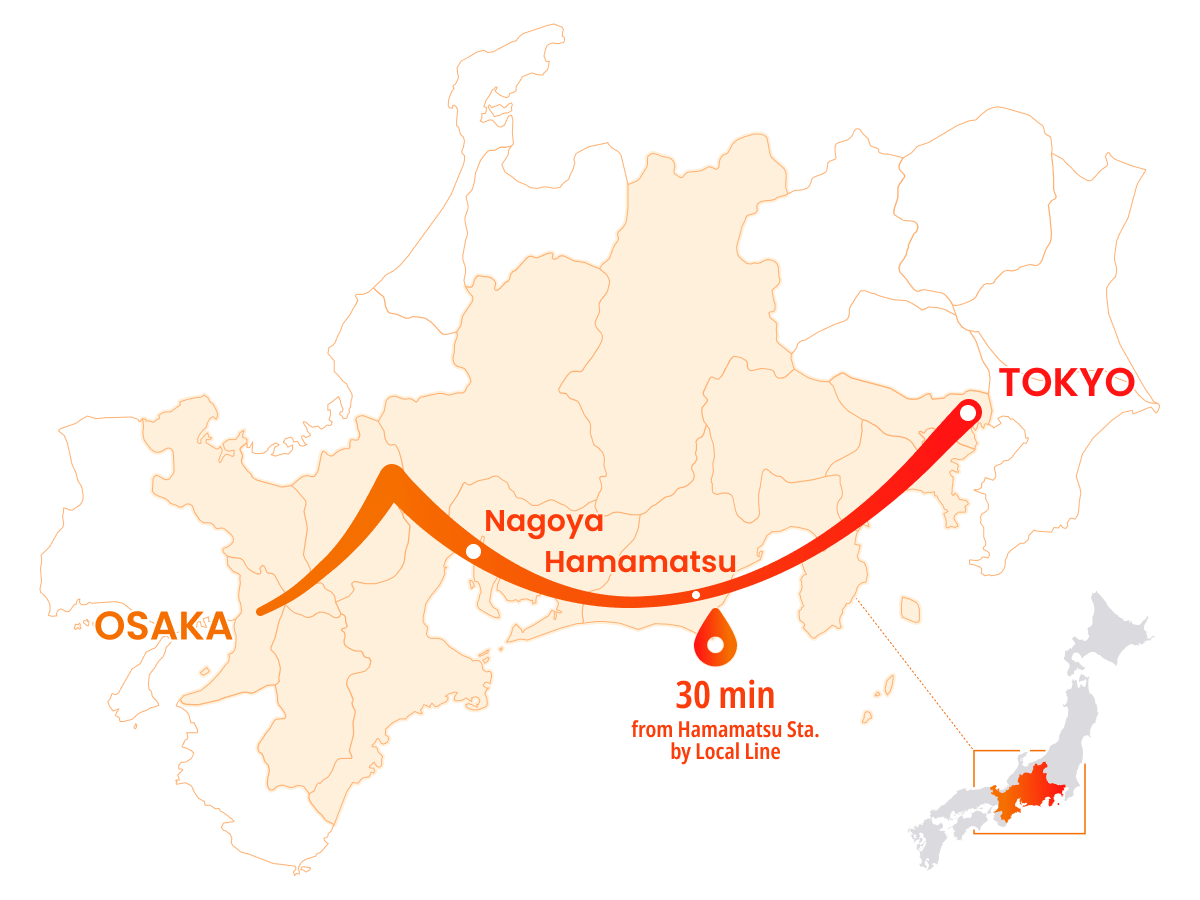
Course Overview
- Duration: Approx. 9–10 hours
- Target: Rail Fans & Families, Castle Lovers, Food-first Travelers
- Start: Nagoya Station
- Finish: Nagoya Station
Highlights
- Stand beside retired Shinkansen — and drive one in simulation — at the SCMAGLEV and Railway Park.
- Eat unagi where it's a religion: charcoal-grilled eel over rice in Hamamatsu.
- Climb Kakegawa Castle's wooden keep for the town view.
- Ride a streetcar through Toyohashi on the way home, just because you can.
Golden Route Digital Stamp Rally: This route passes 5 official stamp spots on the Golden Route Digital Stamp Rally, running through the Asian Games season. Collect them by GPS as you go and trade them for rewards — see the stamp rally page for goals, rewards and redemption locations.
Morning: the museum of speed
Before riding the Shinkansen, meet its ancestors. The hall at Kinjo Pier holds the family tree of Japanese high-speed rail, from steam to maglev.
10:00 - SCMAGLEV and Railway Park
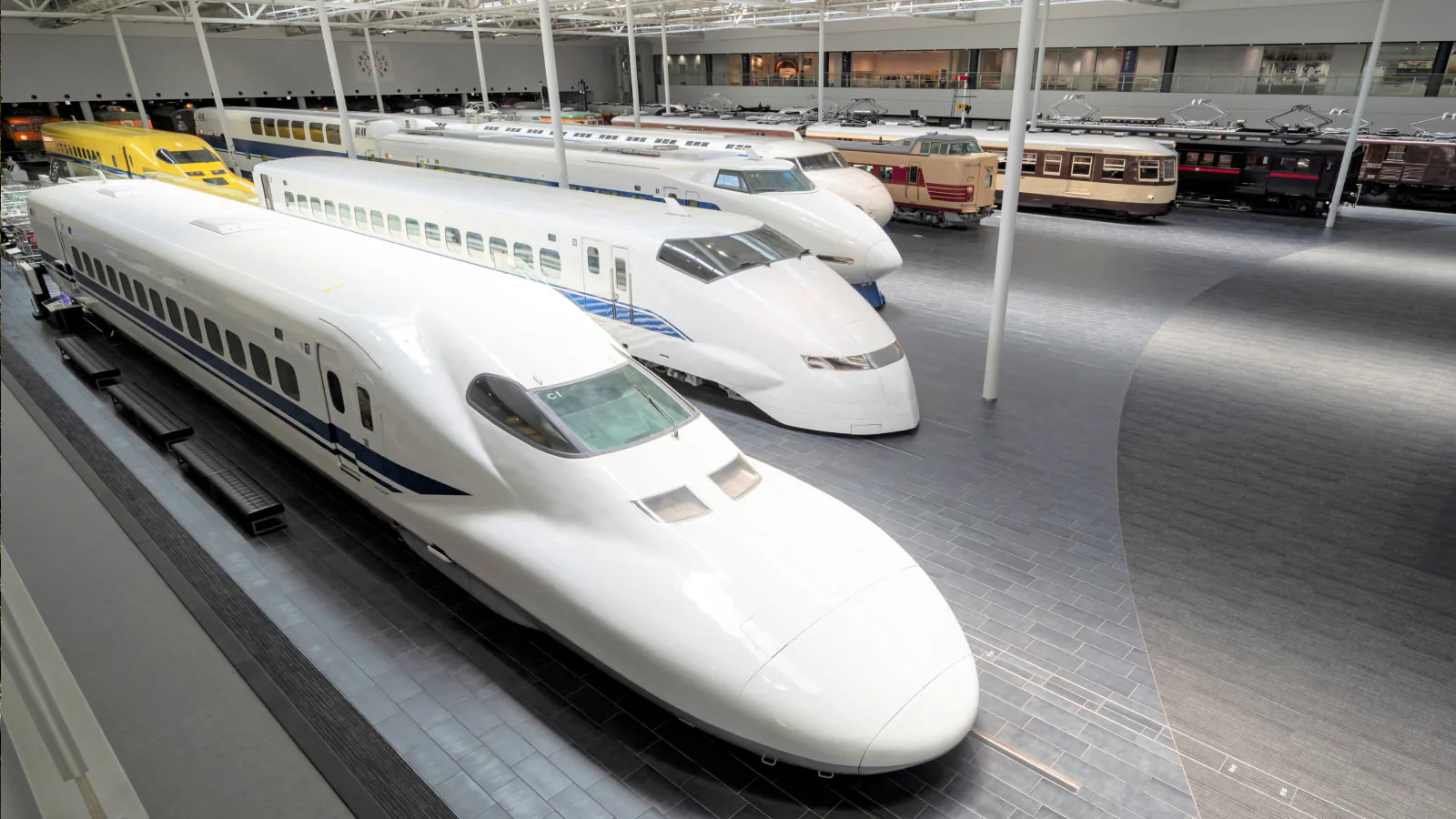
JR Central's railway museum lines up the actual record-setters: early bullet trains with their friendly round noses, the doctor-yellow inspection train, and the superconducting maglev body that ran 581 km/h in 2003, that was the world record. Try the driving simulators; otherwise wander, gawk, and catch the sheer scale of the main hall from the upstairs deck.
Midday: eel and castles, eastbound
Now the real thing: the Tokaido Shinkansen east to Hamamatsu, lunch first, history second.
12:45 - Hamamatsu: unagi, then the castle
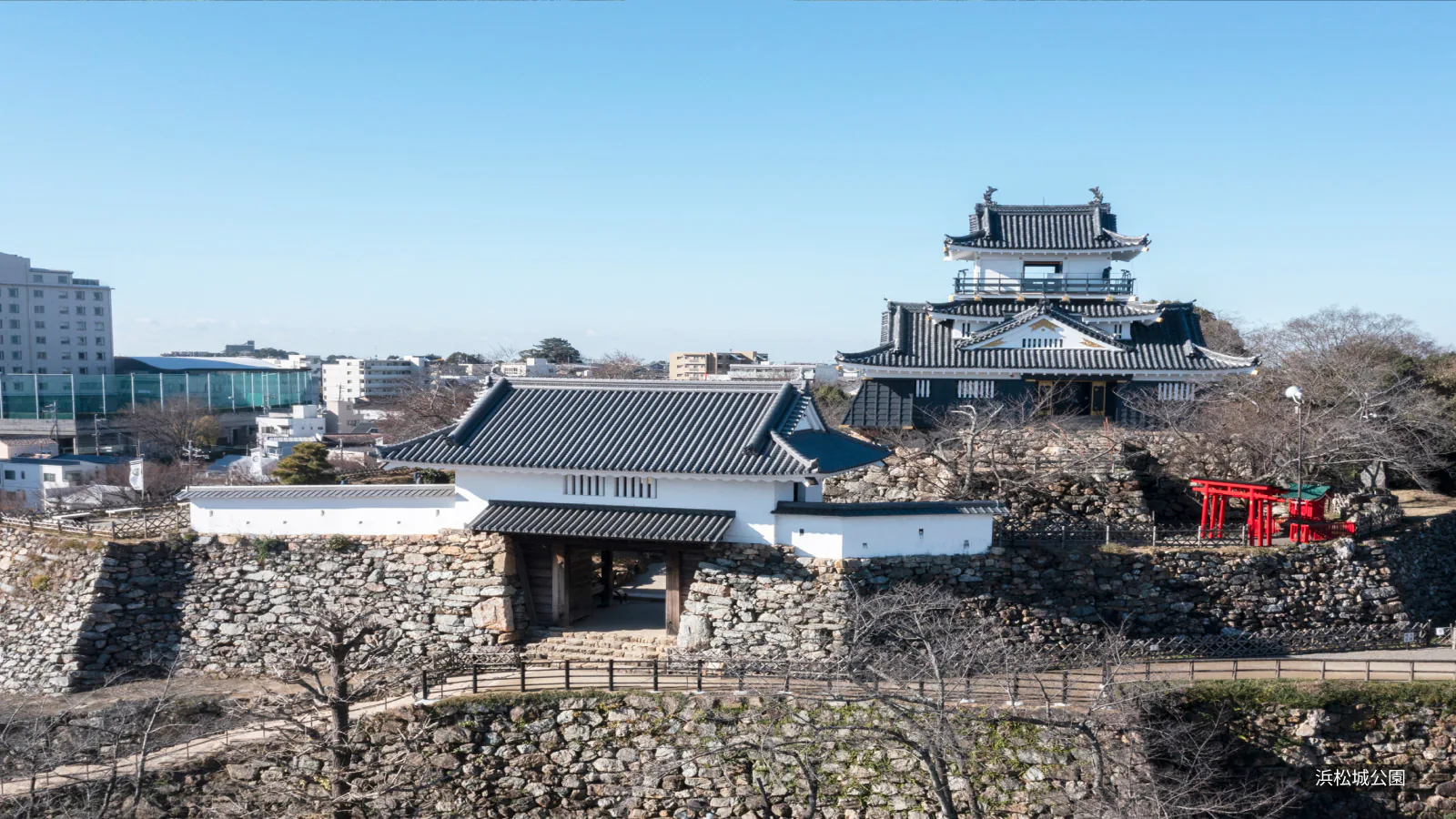
Hamamatsu takes eel seriously — lakeside farming here goes back over a century, and the town's restaurants grill unagi over charcoal until the edges crisp and the tare caramelizes. After lunch, walk up to Hamamatsu Castle, where a young Tokugawa Ieyasu spent 17 years using it as his base to launch his campaign to unify Japan. During the Edo period, many of its successive lords were appointed to key positions in the shogunate, earning it the nickname the "Castle of Success."
14:30 - Kakegawa Castle
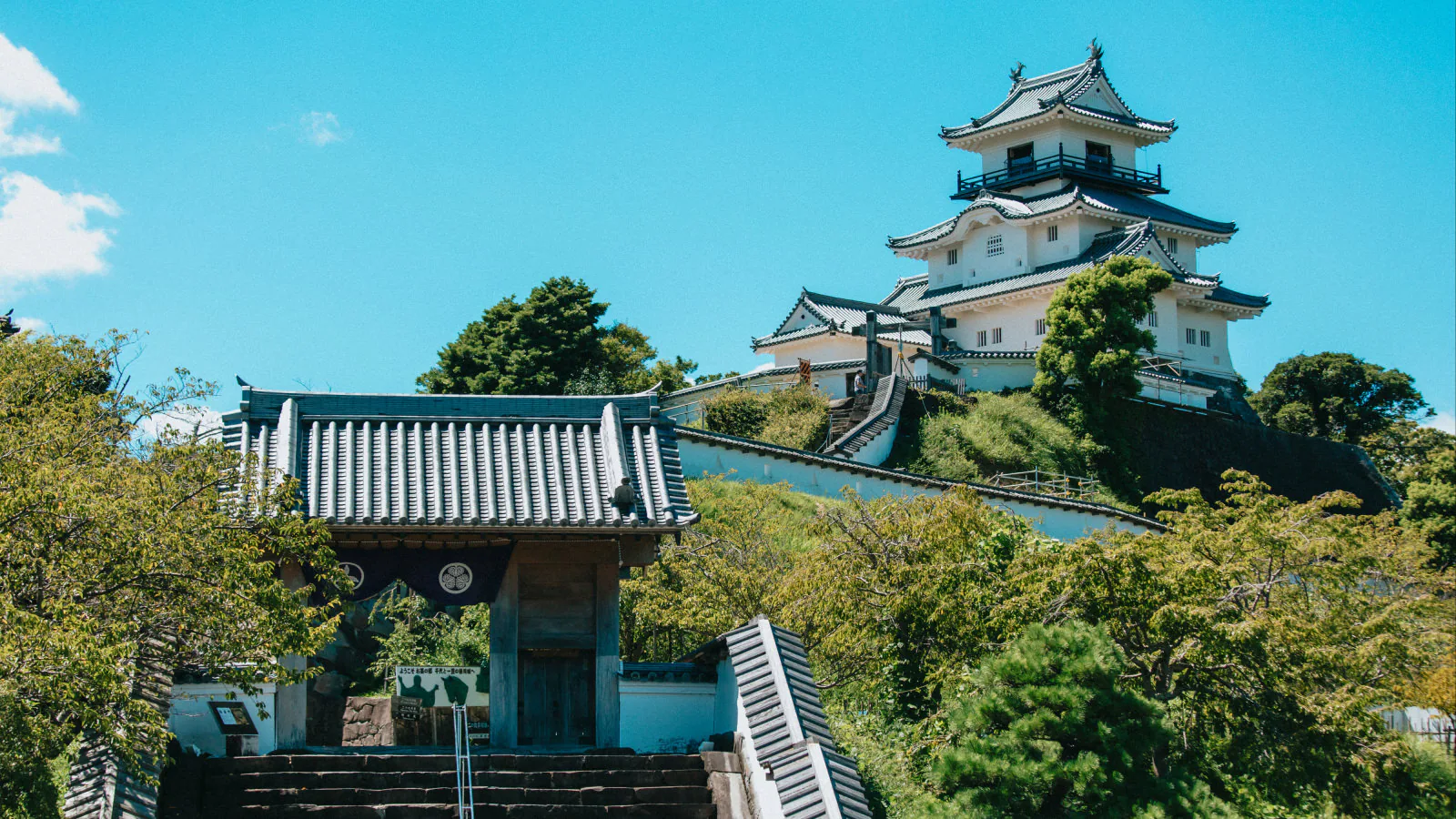
One stop east, Kakegawa Castle rises white above the town — its keep was rebuilt in 1994 using traditional joinery, all timber and the smell of hinoki. Climb the steep stairs to the top floor for panoramic views over Kakegawa. The adjacent Ninomaru Palace is also a must-see, one of only four surviving castle palaces in Japan.
Late afternoon: the streetcar detour
Come home the slow way. Swap the bullet train for a local line at Toyohashi and let a tram set the pace before dinner in Nagoya.
16:30 - Toyohashi trams, then dusk at Atsuta
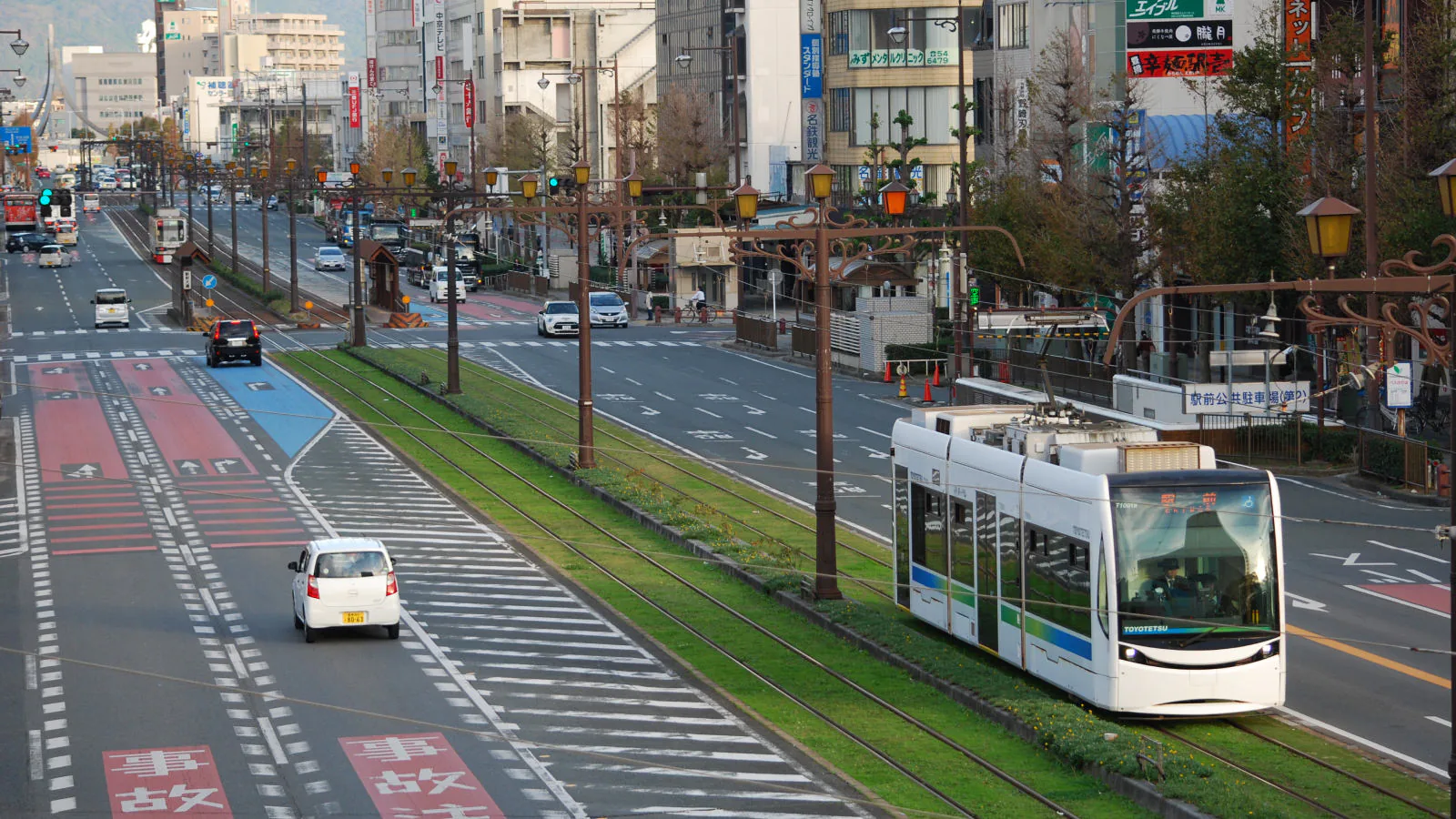
Toyohashi is one of Japan's last true streetcar towns; a short ride down the main avenue, a warm chikuwa from an old shop, and you've seen the city at its own speed. Ride the Meitetsu line back with one final stop: Atsuta Jingu at dusk, when the forest turns quiet and the lanterns come on.