Game Day & City Lights: Two Days in Nagoya from Tokyo
Course Highlights
The Match Is the Middle, the City Is the Rest
Built for travelers holding Asian Games tickets, this itinerary puts the event exactly where it belongs — in the center — and wraps Nagoya's greatest hits around it. Morning one covers the golden-roofed castle and the arcades; the whistle blows at IG Arena by evening. Day two belongs to the city's twin obsessions, trains and the sea: walk beneath retired bullet trains in the morning and watch orcas cruise a giant tank after lunch, with a castle-town encore if your legs agree.
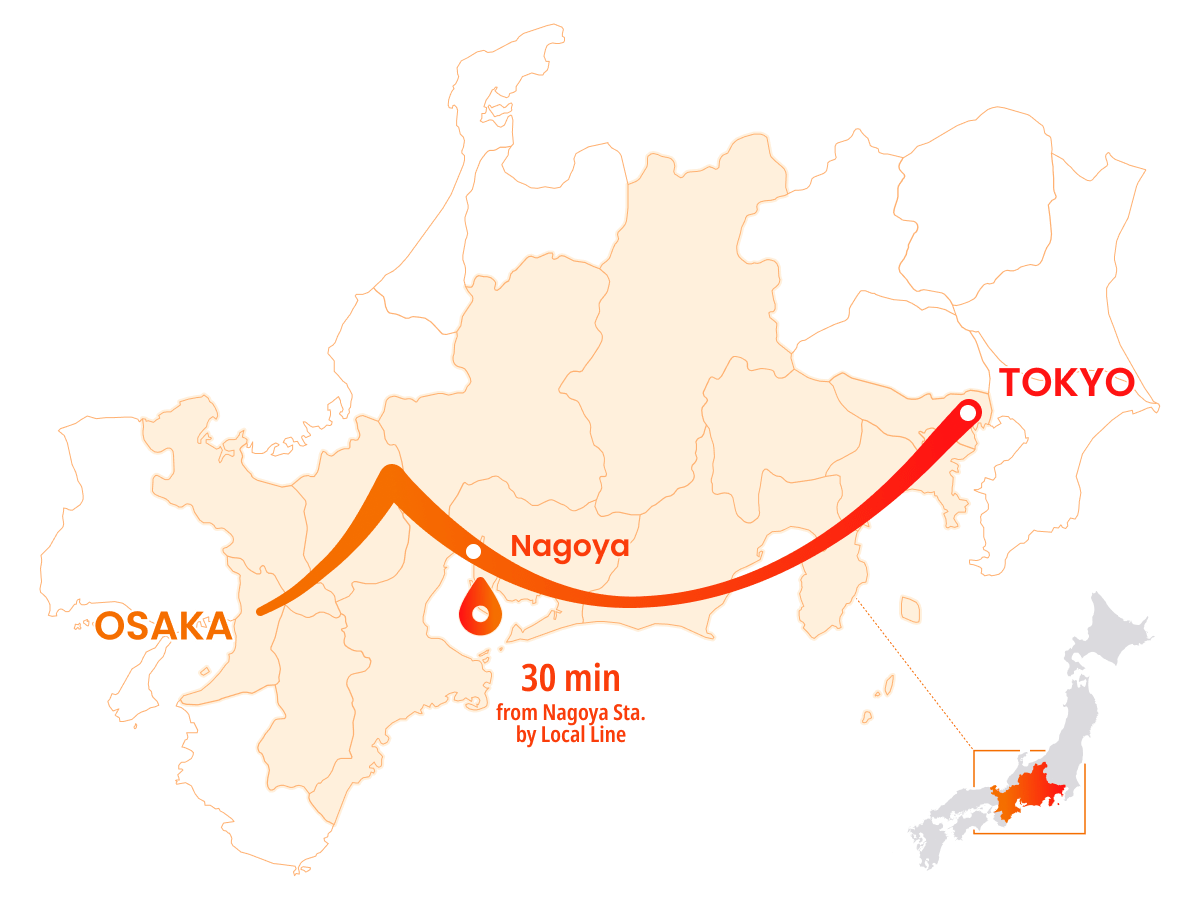
Course Overview
- Duration: 2 days, 1 night
- Target: Asian Games Spectators, First-time Visitors from Tokyo, Families
- Start: Tokyo Station
- Finish: Nagoya Station
Highlights
- Catch the golden shachihoko of Nagoya Castle and the lavish Honmaru Palace.
- Feel the roar of the Asian Games at IG Arena, the heart of Nagoya 2026.
- Walk beneath record-setting trains at the SCMAGLEV and Railway Park.
- Watch orcas and dolphins at the Port of Nagoya Public Aquarium.
Golden Route Digital Stamp Rally: This route passes maximum 8 official stamp spots on the Golden Route Digital Stamp Rally, running through the Asian Games season. Collect them by GPS as you go and trade them for rewards — see the stamp rally page for goals, rewards and redemption locations.
Day 1: Castle, arcades, kickoff
The Shinkansen has you in Nagoya before lunch. See the city's icon, eat your way to the shrine, and be in your seat when the anthem plays.
11:00 - Nagoya Castle & lunch in Osu
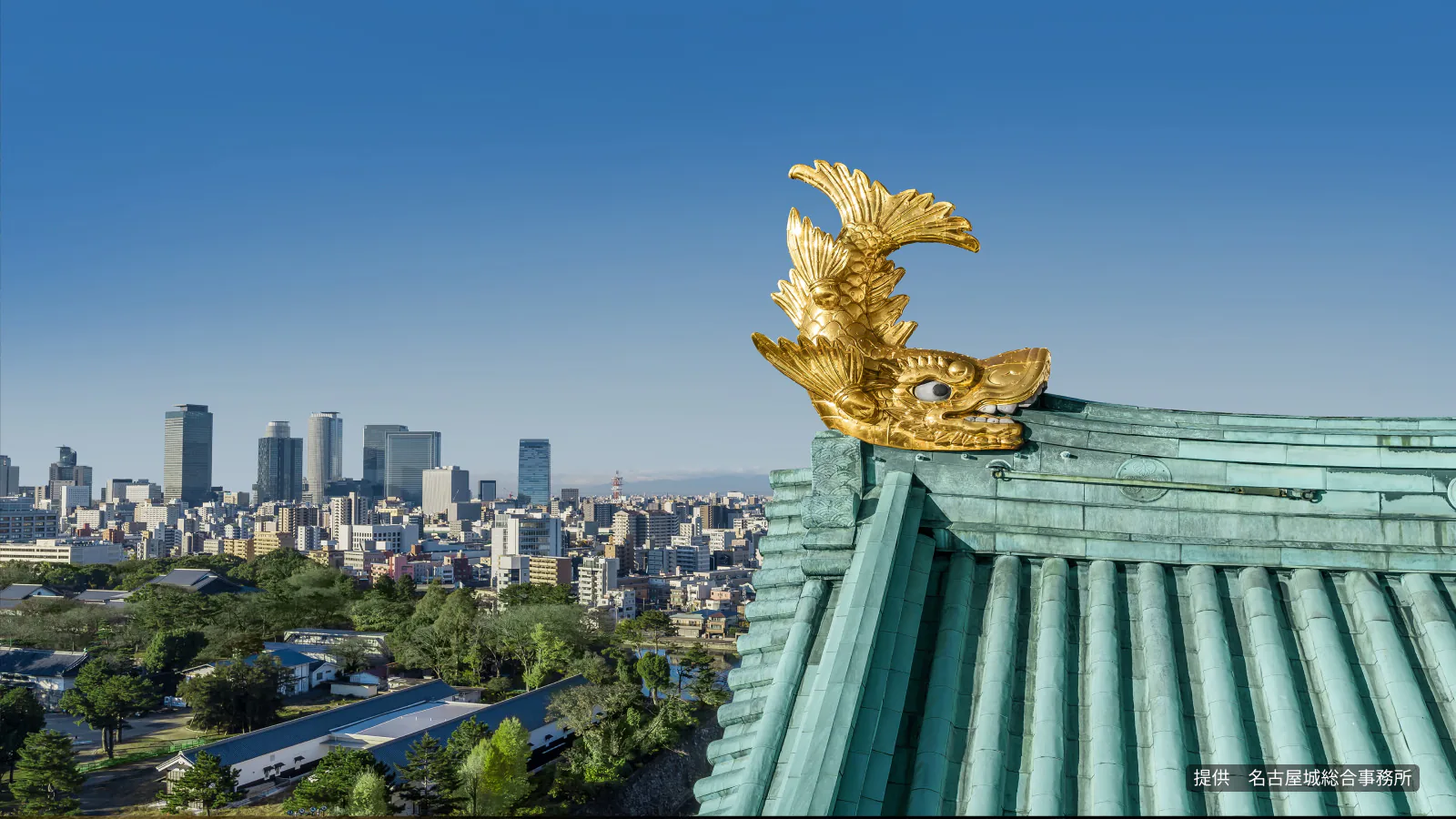
Start with the classic: Nagoya Castle, its roof crowned by two golden shachihoko, and the painstakingly reconstructed Honmaru Palace glowing with gold-leaf screens inside. Then descend into the OSU arcades, where a thousand shops make lunch a moving target — miso katsu, ogura toast, taiwan mazesoba, repeat.
15:00 - Atsuta Jingu, then the Games at Mizuho Park
Ride the Meitetsu line two stops into the deep green of Atsuta Jingu for a pre-match moment of calm — athletes have prayed for victory here for centuries, so you'll be in good company. Then on to IG Arena, the beating heart of Nagoya 2026.
Day 2: Trains in the morning, orcas after lunch
Nagoya's port district holds two world-class halls a short ride apart — one for machines that fly along rails, one for giants that fly through water.
10:00 - SCMAGLEV and Railway Park
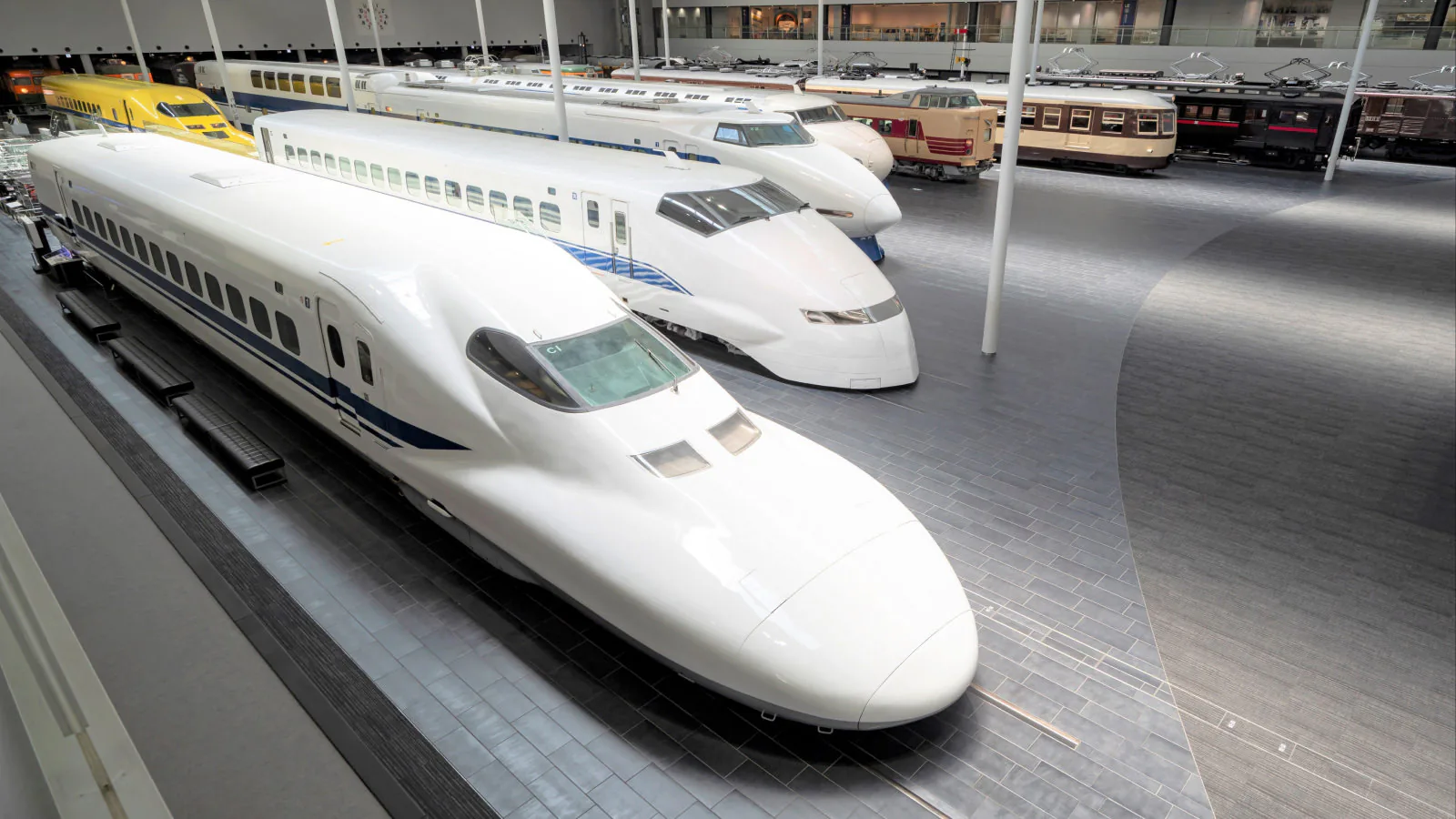
JR Central's railway museum lines up the actual record-setters: early bullet trains with their friendly round noses, the doctor-yellow inspection train, and the superconducting maglev body that ran 581 km/h in 2003, that was the world record. Try the driving simulators; otherwise wander, gawk, and catch the sheer scale of the main hall from the upstairs deck.
12:30 - Port of Nagoya Public Aquarium, then a castle-town encore
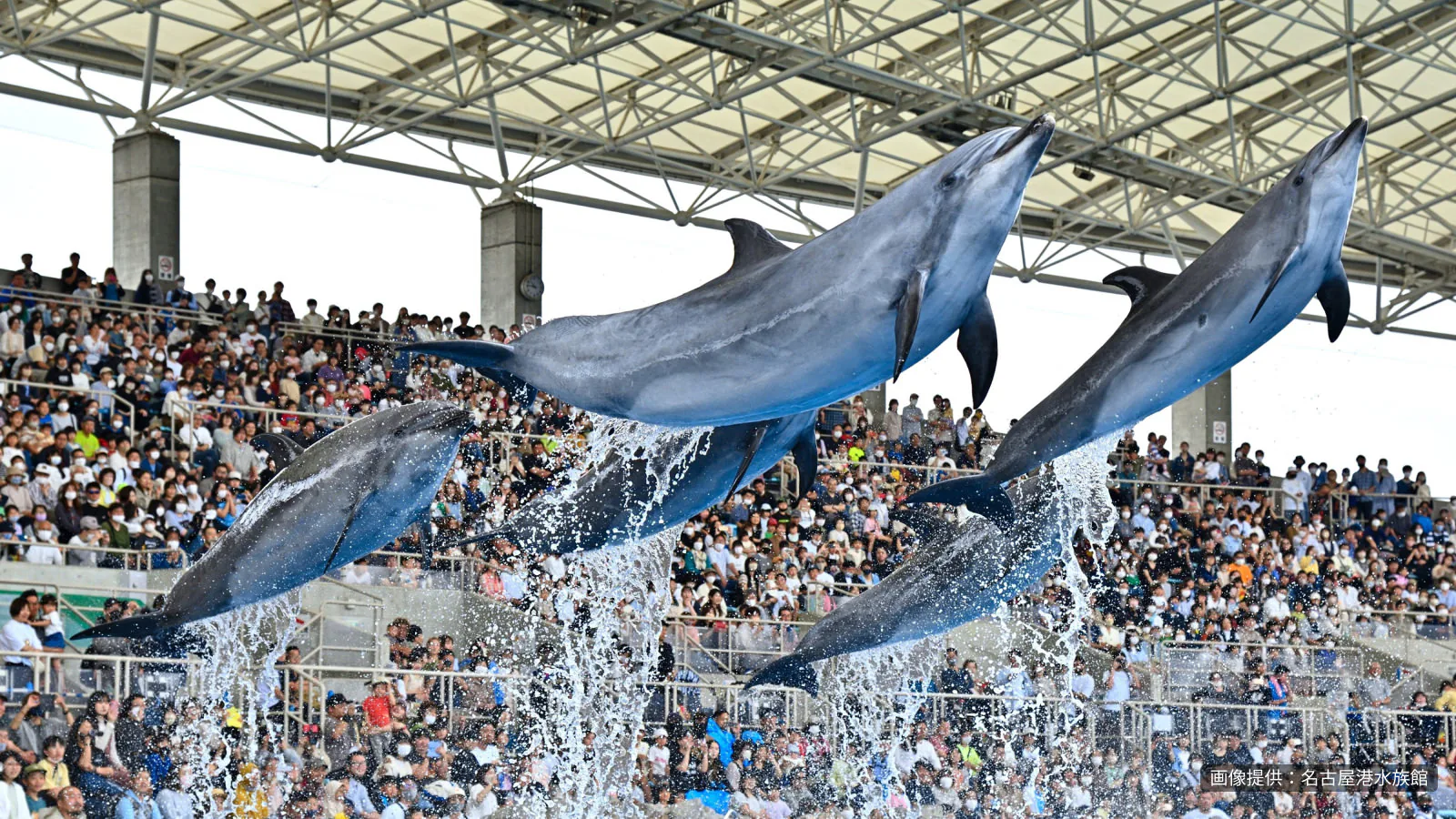
Port of Nagoya Public Aquarium is one of the largest urban aquariums in Japan. At the main pool, which has a giant open-air stadium with a capacity of 3,000 people, visitors can enjoy dolphin performances and orca public training. Linger through the afternoon — or, if the group still has legs, ride the Meitetsu line north for an encore at Inuyama's national-treasure castle or the ropeway up to Gifu Castle before the train home. Both are happily skippable.