Mt. Fuji, Sacred Springs and the Seaside Stage: Two Days from Mishima into Aqours Country
Course Highlights
Fuji First, Then the Sea
This two-day route pairs Japan's most famous mountain with the seaside town behind Love Live! Sunshine!!. Day one is Mishima: a shrine where warlords once prayed, a 400-meter suspension bridge pointed straight at Mt. Fuji, and spring water so clear it seems lit from below. Day two follows that water down to Numazu and the coves of Uchiura, where the story lives. Come for the anime, the scenery, or both — the trip holds up either way.
*The Aqours & Numazu Seasonal Campaign runs from April 1, 2026 to March 31, 2027. Campaign-related displays and goods are available during this period only; the locations in this article can be enjoyed year-round.
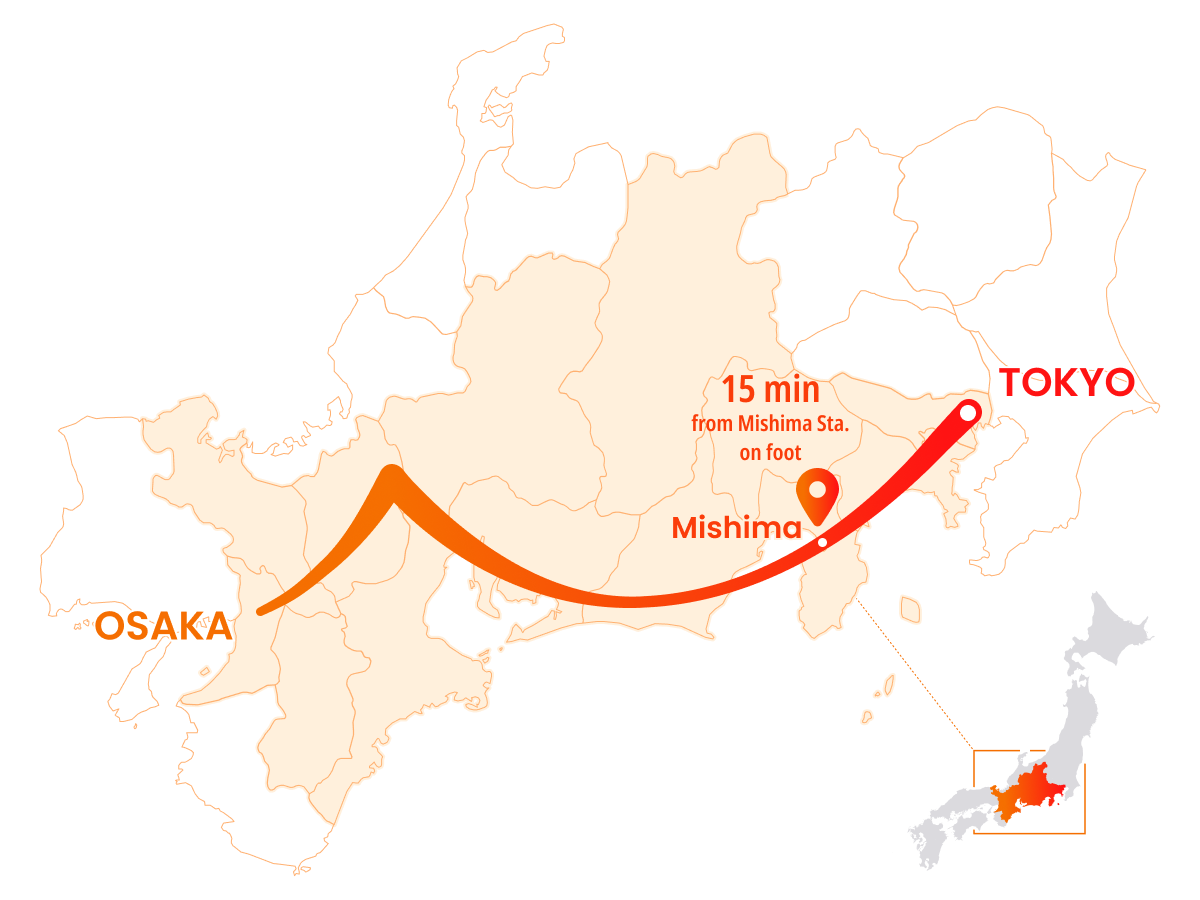
Course Overview
- Duration: 2 days, 1 night
- Target: Anime & Pop Culture Fans, First-time Mt. Fuji Viewers, Slow Travelers
- Start: Mishima Station
- Finish: Mishima Station
Highlights
- Cross the Mishima Skywalk, Japan's second-longest pedestrian suspension bridge, with Mt. Fuji filling the sky ahead.
- Watch a million tons of Fuji snowmelt surface daily in the impossibly clear pools of the Kakita River.
- Stay the night in Numazu, eat where the fishing boats land — and wake up in Aqours country.
- End with golden hour at Cape Ose, where Mt. Fuji glows across Suruga Bay.
Day 1 Morning: A town built on spring water
Mishima is about 45 minutes from Tokyo by Shinkansen, and the moment you leave the station you can hear why locals love it: Mt. Fuji's snowmelt runs audibly through channels beside the streets. Start the day the traditional way — at the shrine.
10:00 - Mishimataisha
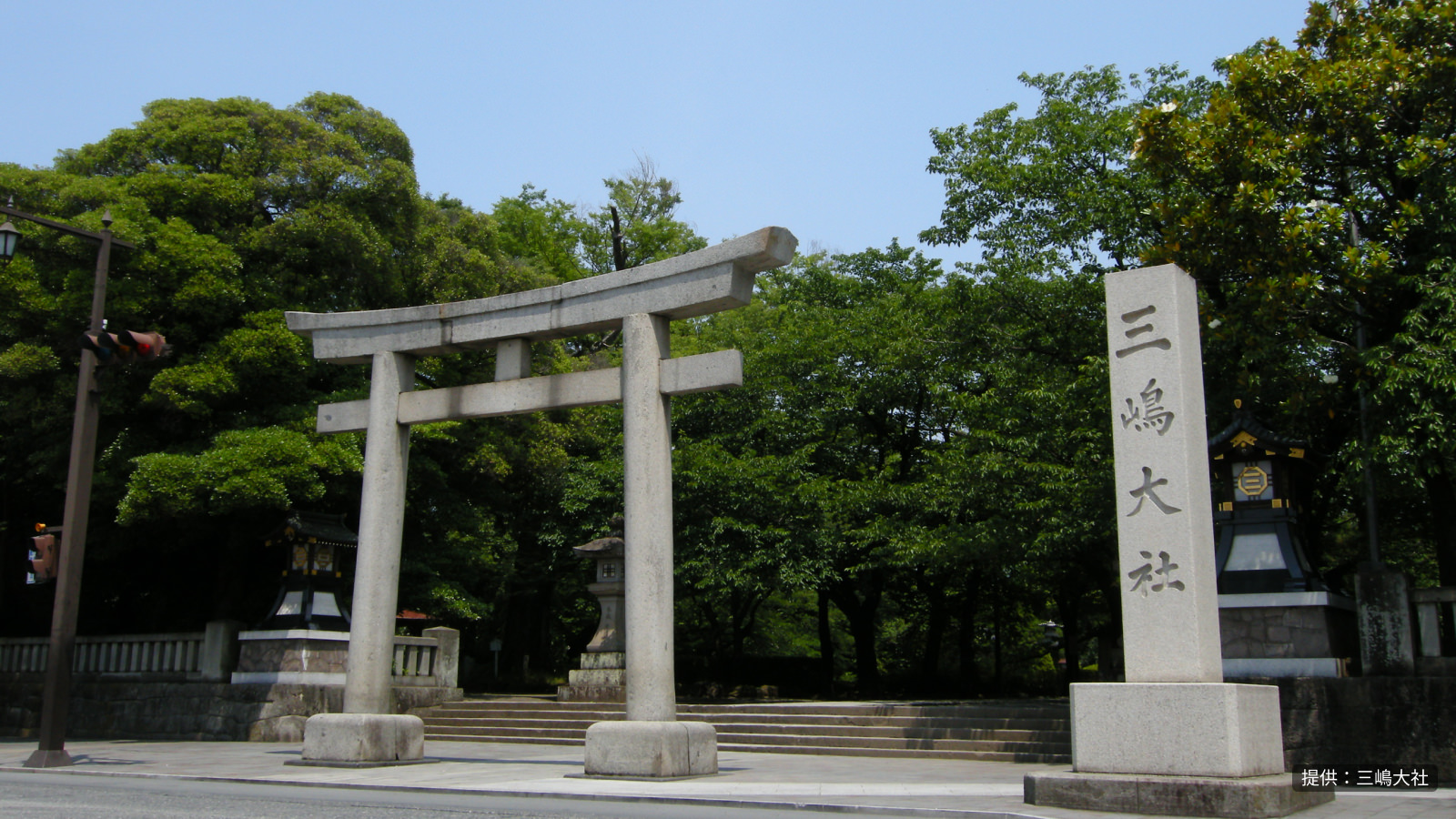
About a 15-minute walk from the station brings you to Mishimataisha, the grand shrine of the old Izu Province.
Worshipped since ancient times, the shrine is dedicated to deities associated with the creation of the mountains and islands stretching from Mt. Fuji to the Izu Islands. It is also closely associated with Minamoto no Yoritomo, who deeply revered the shrine before going on to establish Japan’s first shogunate.
The magnificent shrine buildings, completed in 1866, are designated as Important Cultural Properties of Japan and feature exquisite carvings and intricate decorative details crafted by renowned local artisans.
The shrine grounds still quietly carry the weight of that long history — a peaceful, grounding first stop before a day filled with spectacular views.
12:30 - Mishima Skywalk
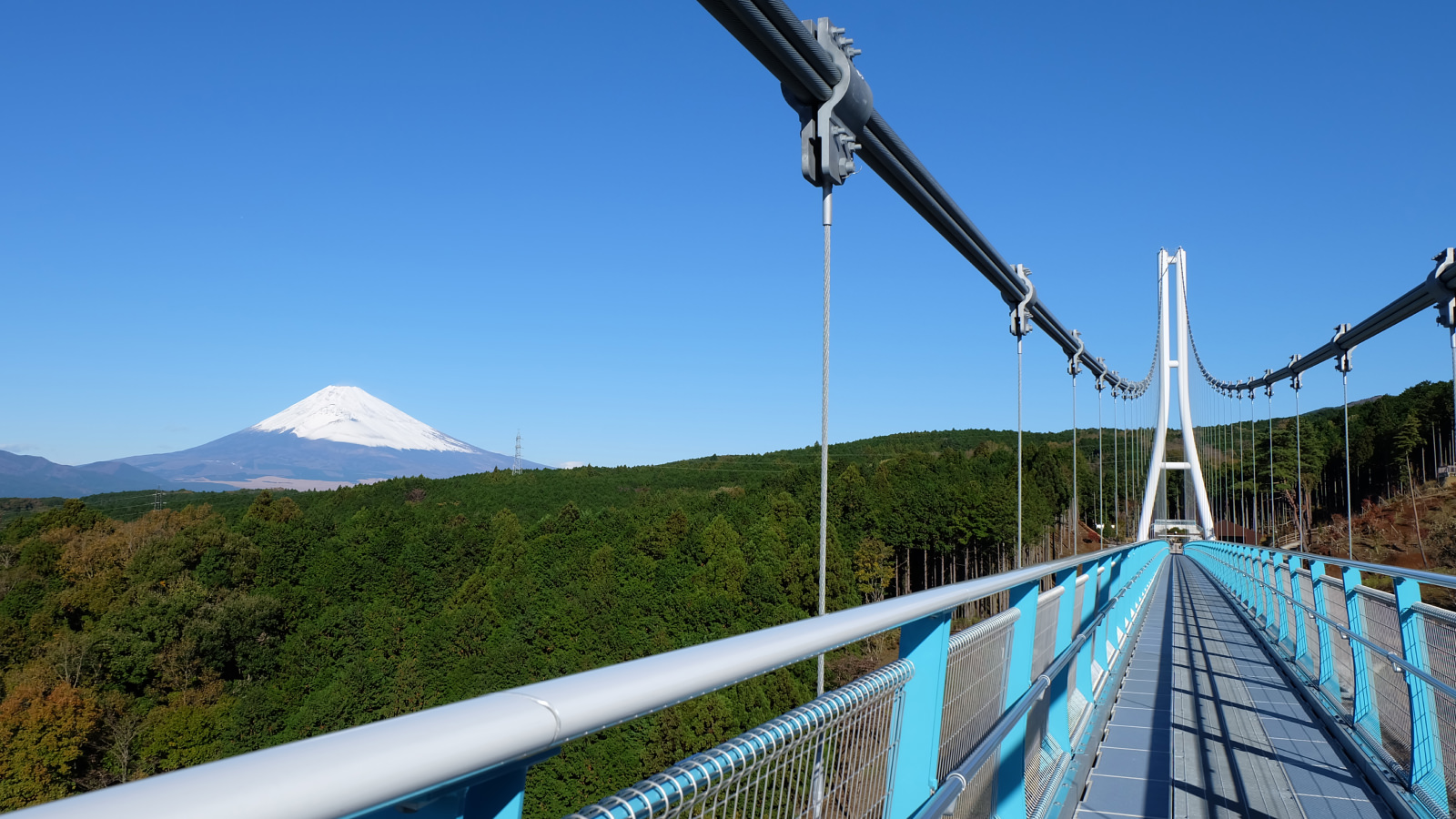
Ride the bus up into the hills for the region's showpiece: a 400-meter pedestrian suspension bridge slung across a green valley, with Mt. Fuji standing directly ahead. Have lunch at the plaza on the far side, take the return crossing slowly, and if the clouds cooperate you'll understand why photographers get here before the tour buses do.
15:00 - Kakita River Springs, then on to Numazu
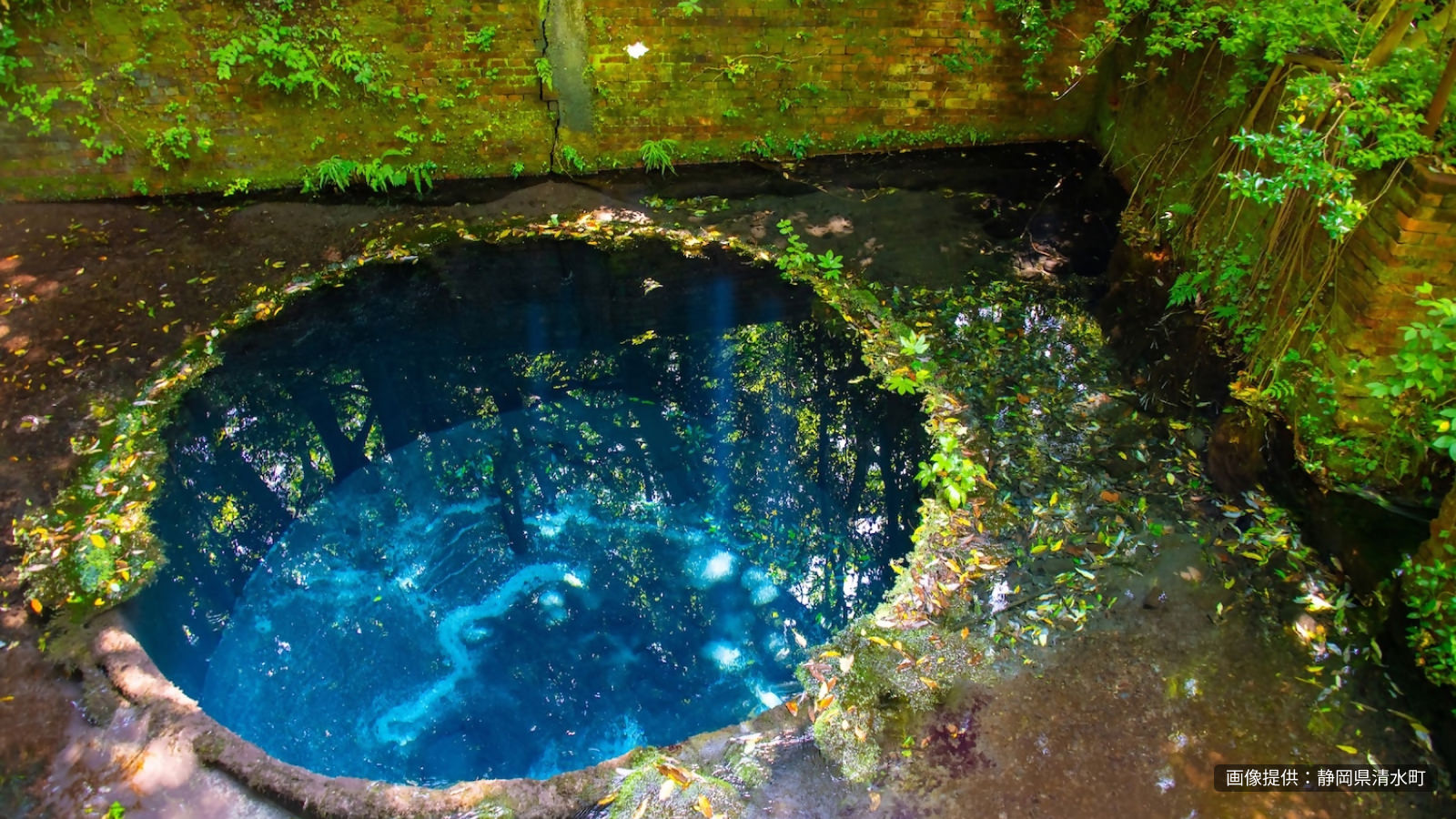
From the heart of Shimizu Town, the Kakita River begins all at once: roughly 1.1 million tons of Mt. Fuji snowmelt surface here every day, welling up through pale sand in pools of surreal turquoise. A short boardwalk loops through the greenery to viewing decks above the springs. From there it's an easy hop by local train to Numazu — check in to your hotel, then head toward the port for dinner straight off the boats.
Day 2: Into the story's home waters
Wake up in the seaside town behind Love Live! Sunshine!!. Today follows the coast of Suruga Bay — Japan's deepest sea — through the port, into the coves of Uchiura, and out to a cape built for sunsets.
9:30 - Numazu Port & the Deepblue Aquarium
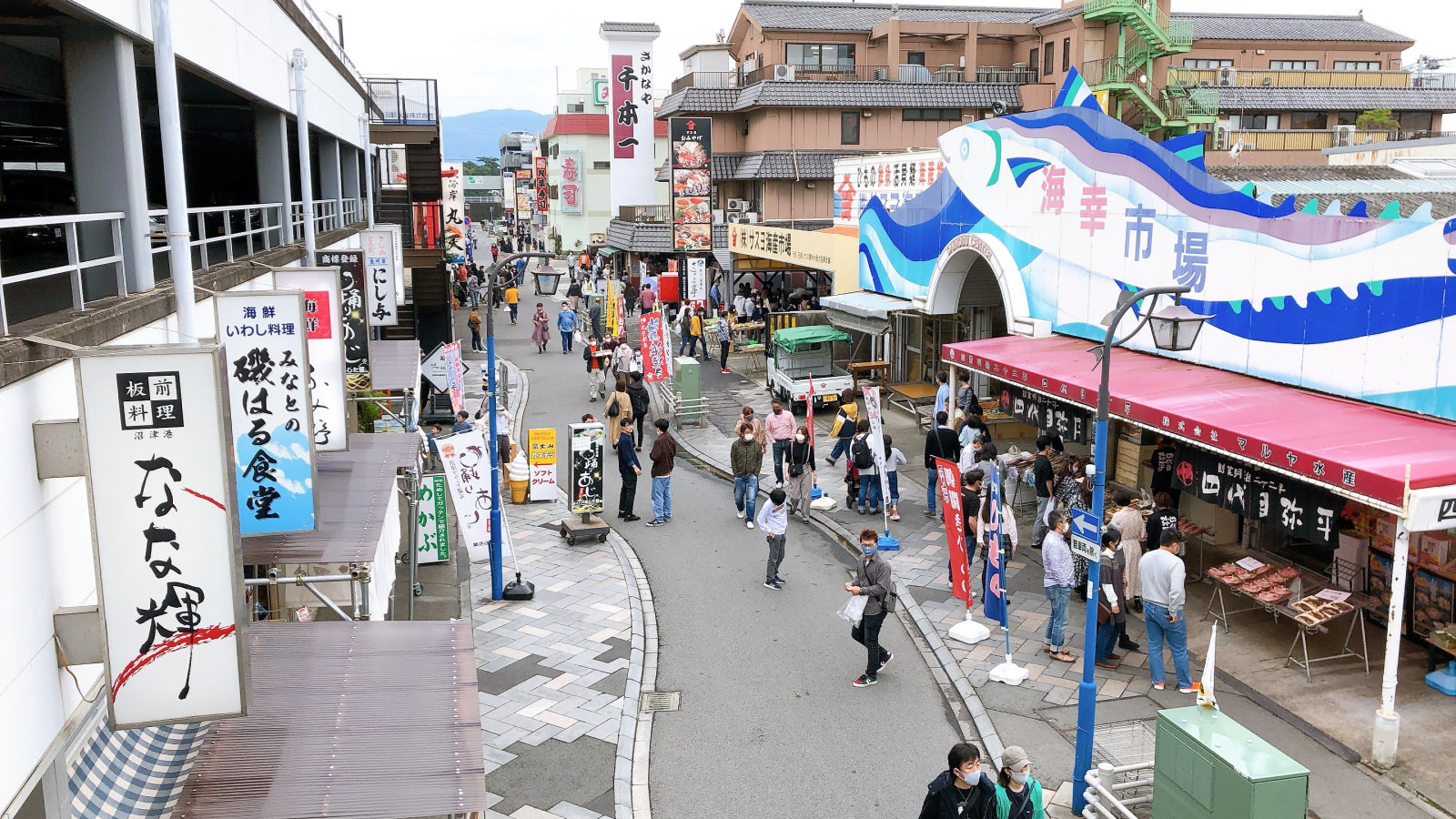
Start with breakfast at the fish market, where kaisendon comes piled with whatever landed that morning. Climb the Byuo observation gate for the view across the bay, then meet the deep-sea residents of Suruga Bay — preserved coelacanths included — at the port's Deepblue Aquarium. Fans will start recognizing corners of the harbor almost immediately.
11:30 - Uchiura, Mito & Izu-Mito Sea Paradise
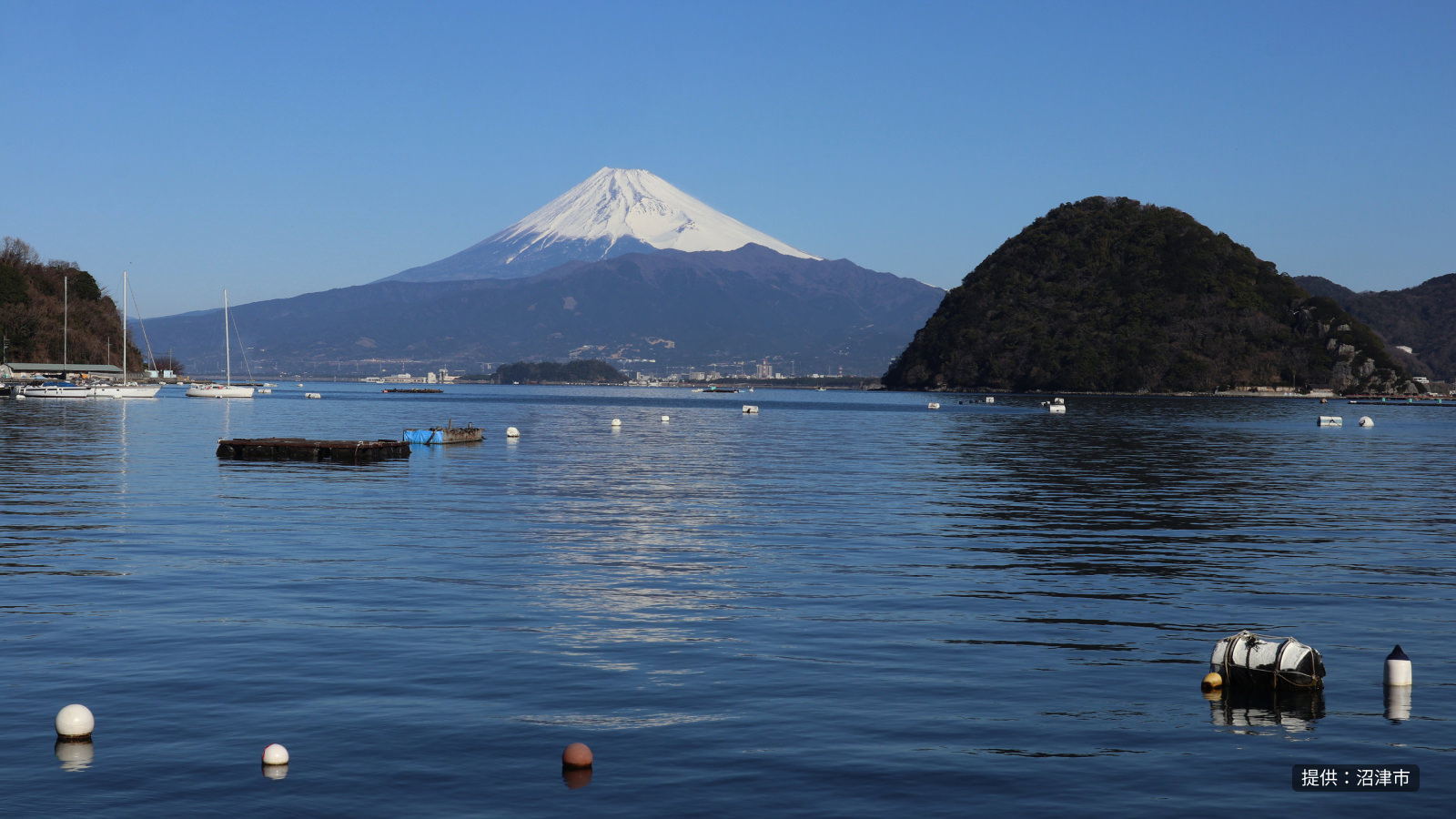
Ride the bus along the shoreline into the sheltered coves at the heart of the series. Dolphin shows play out against the open bay at Izu-Mito Sea Paradise, and the harbor lanes of Mito reward slow wandering — bus stops, seawalls and school gates that fans know by heart. These are living, working neighborhoods; enjoy them quietly, and they will feel exactly like the show promised.
16:00 - Cape Ose for golden hour, then home
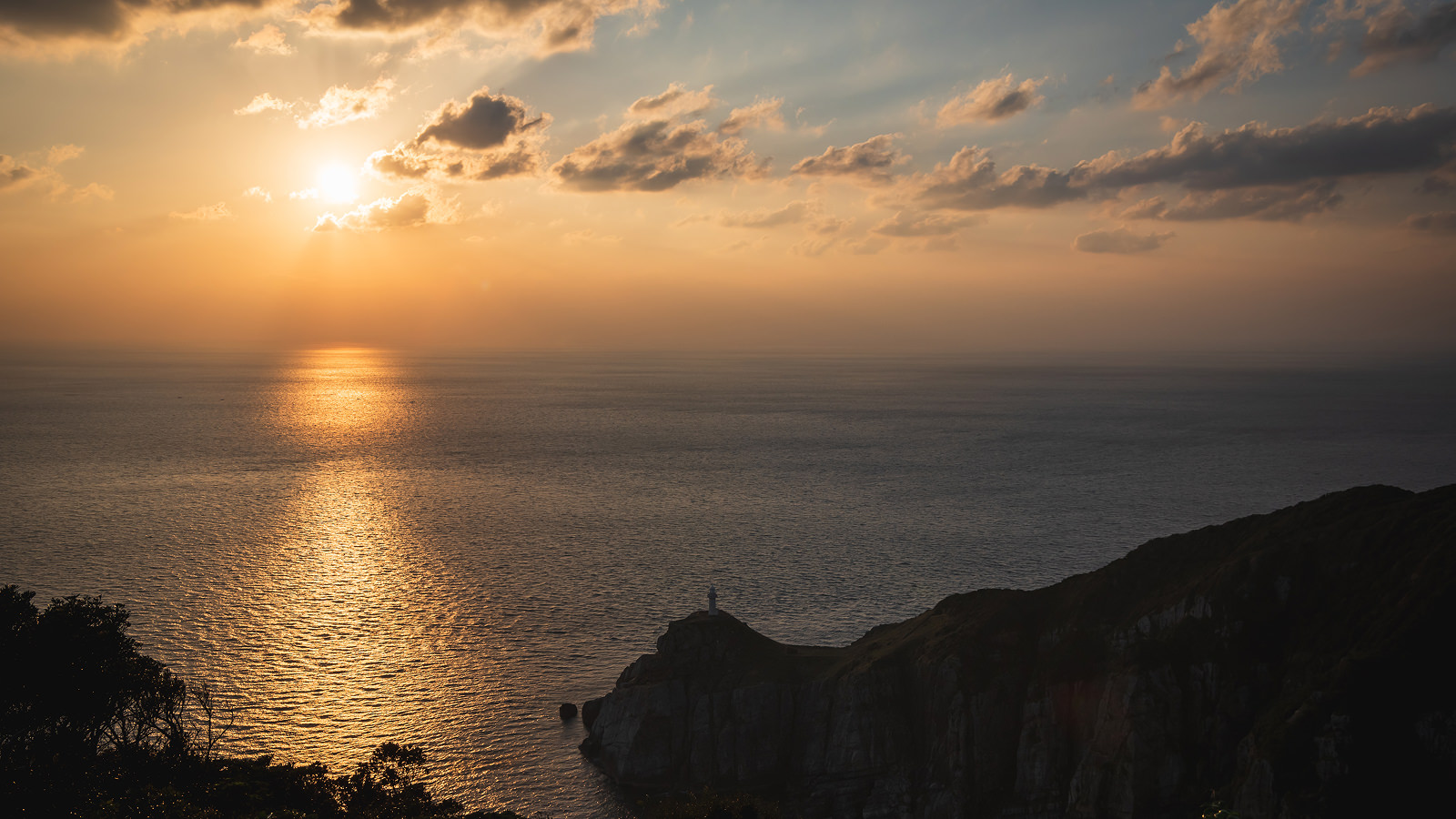
Finish at Cape Ose,, a slender, pine-covered cape reaching into Suruga Bay. Divers surface in the sheltered water, a small shrine hides among the trees, and at dusk Mt. Fuji glows across the bay — the horizon the whole trip has been building toward. Bus back to Numazu, one local stop to Mishima, and the Shinkansen has you in Tokyo about an hour later. Do check the cape's last bus before heading out; evening departures are few.