Stone Foxes and Fresh-Ground Matcha: A Slow Day in East Mikawa
Course Highlights
The Quiet Side of Aichi
East of Nagoya, the pace changes. At Toyokawa Inari, about a thousand of stone foxes crowd a mossy grove behind one of Japan's great Inari sanctuaries. In Toyohashi, streetcars still rattle through town. Nishio grinds some of the country's finest matcha, and Arimatsu has been tie-dyeing indigo cloth on the old Tokaido road for four centuries. This route strings them together at a deliberately unhurried pace — one train line, four small towns, and food worth slowing down for.
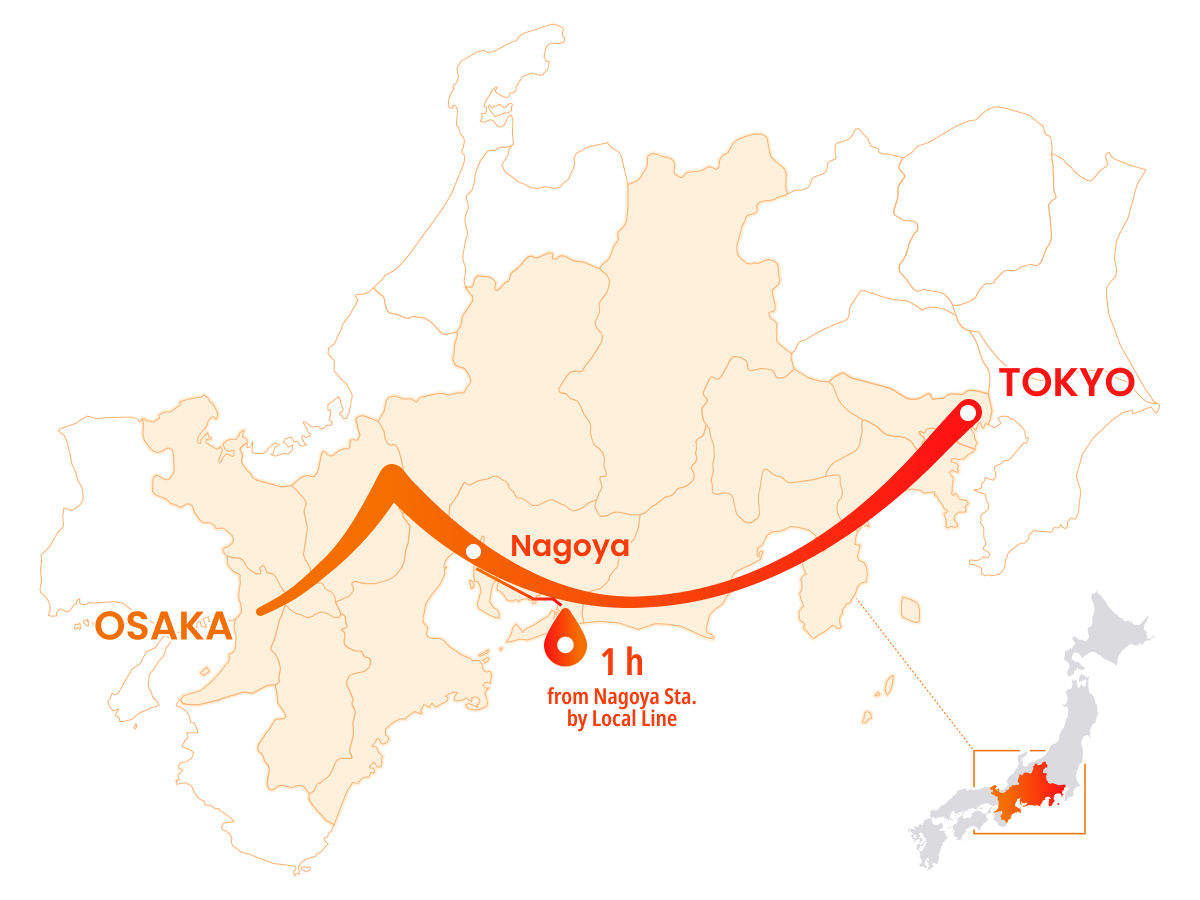
Course Overview
- Duration: Approx. 9 hours
- Target: Shrine & Craft Lovers, Tea Enthusiasts, Second-time Nagoya Visitors
- Start: Nagoya Station
- Finish: Nagoya Station
Highlights
- Meet a thousand stone foxes of Toyokawa Inari — and eat inari-zushi where it's a local art form.
- Ride a rattling streetcar through Toyohashi, one of the few tram towns left in Japan.
- Taste matcha ground on stone mills in Nishio, a tea town since the 13th century.
- Wander Arimatsu's four-hundred-year-old townscape of indigo shibori dyers.
Golden Route Digital Stamp Rally: This route passes 5 official stamp spots on the Golden Route Digital Stamp Rally, running through the Asian Games season. Collect them by GPS as you go and trade them for rewards — see the stamp rally page for goals, rewards and redemption locations.
Morning: to the fox shrine
A limited express whisks you east from Nagoya about an hour. Arrive hungry — the town in front of the temple gates has turned sweet fried tofu into a calling.
10:00 - Toyokawa Inari
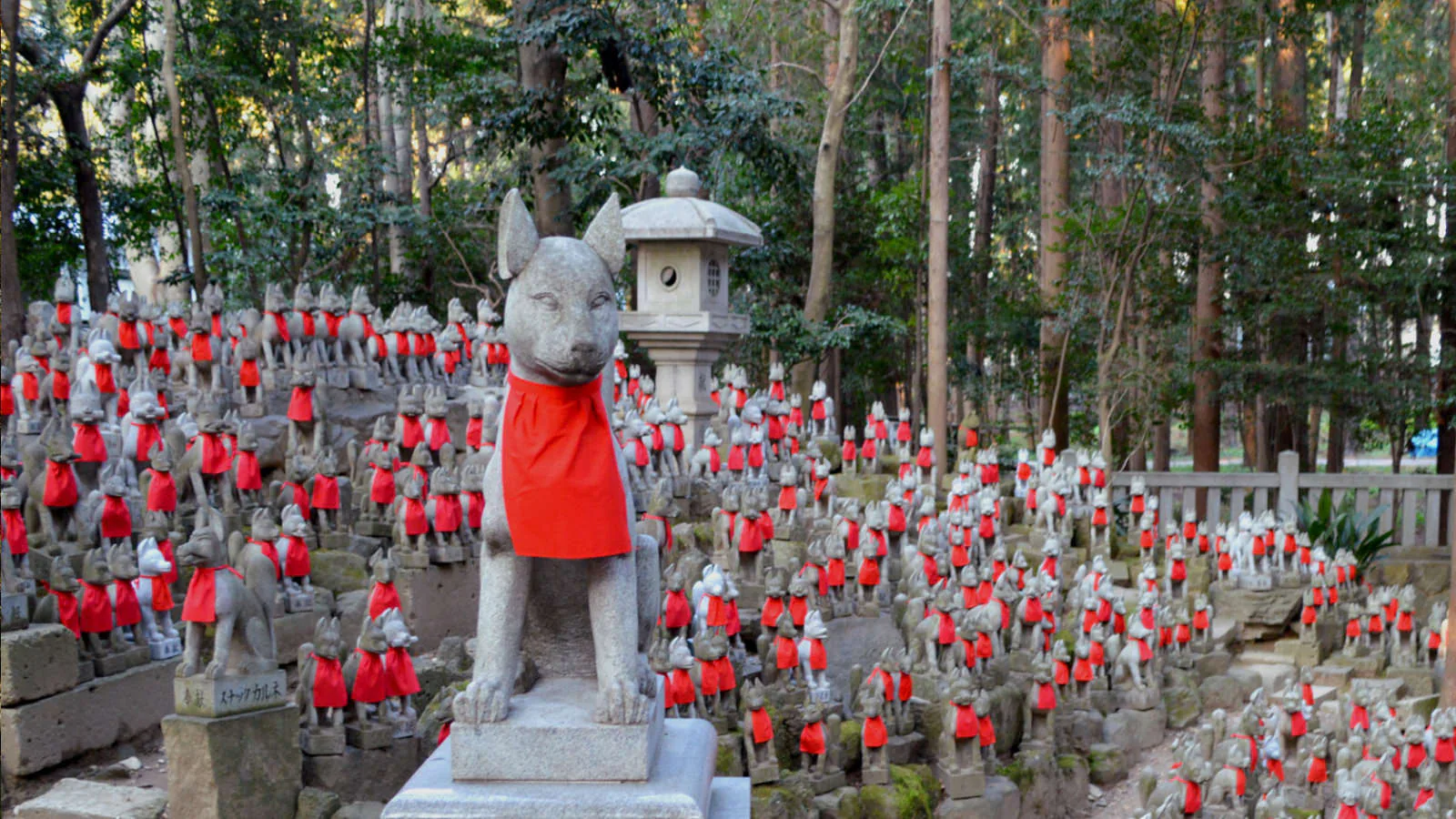
Formally a Buddhist temple, popularly one of Japan's great Inari sanctuaries, Toyokawa Inari rewards wanderers. Slip past the main hall to the Reikozuka fox mound, where a thousand of stone foxes — some centuries old, some brand new, all wearing red bibs — stand shoulder to shoulder in the trees. Then do as pilgrims have always done: lunch on inari-zushi in the temple town, where every shop has its own recipe.
Midday: trams and tea
Two stops, two small pleasures: a city best seen from a streetcar window, and a town that has been perfecting green tea for eight hundred years.
12:30 - Toyohashi by streetcar
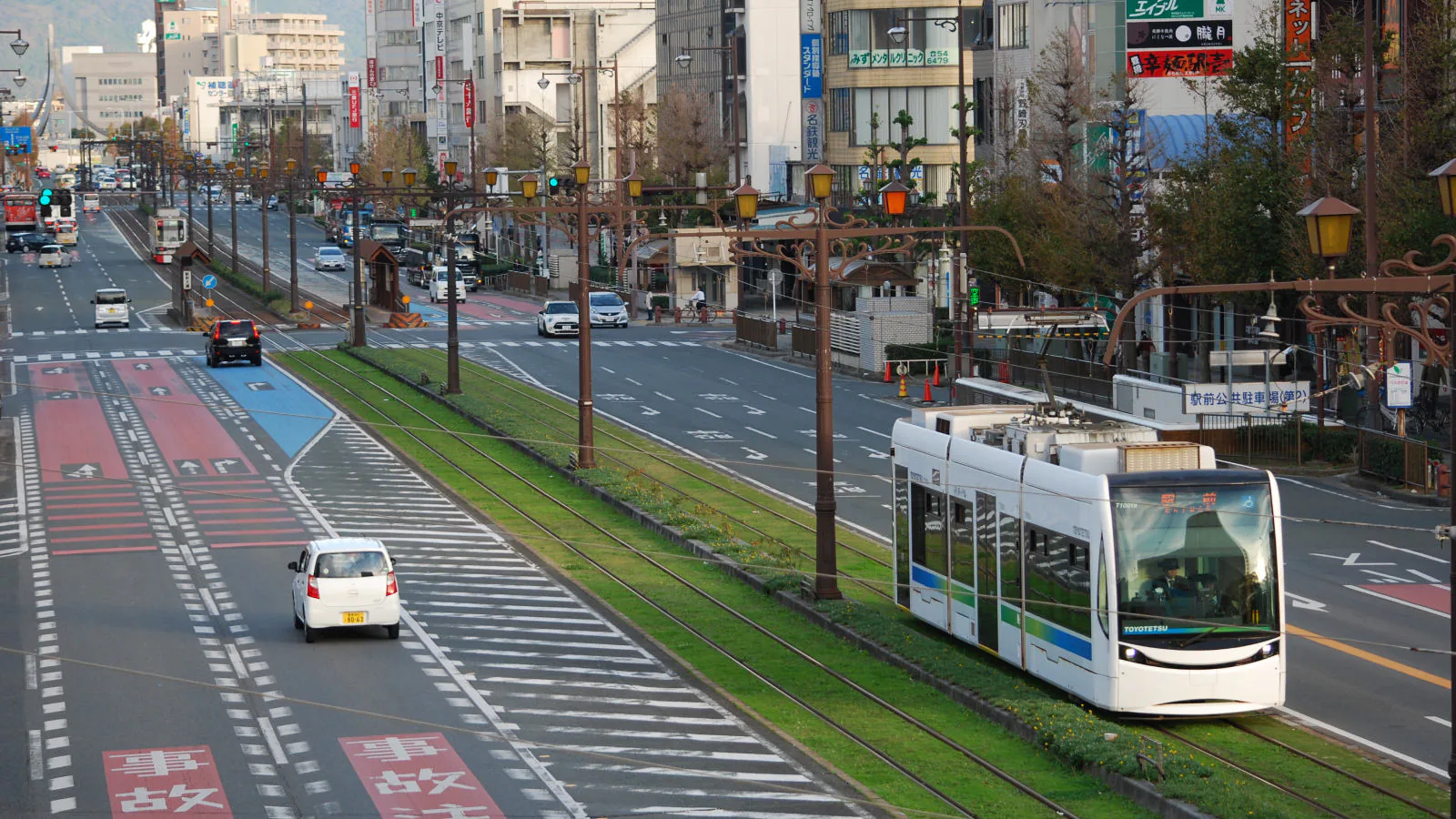
Toyohashi is one of the last cities in Japan where trams are simply how you get around. Buy a day pass, take a window seat, and hop off for the local specialty: chikuwa, grilled fish paste that the town has made since the Edo period — best eaten warm from a shop counter.
14:30 - Nishio, the matcha town
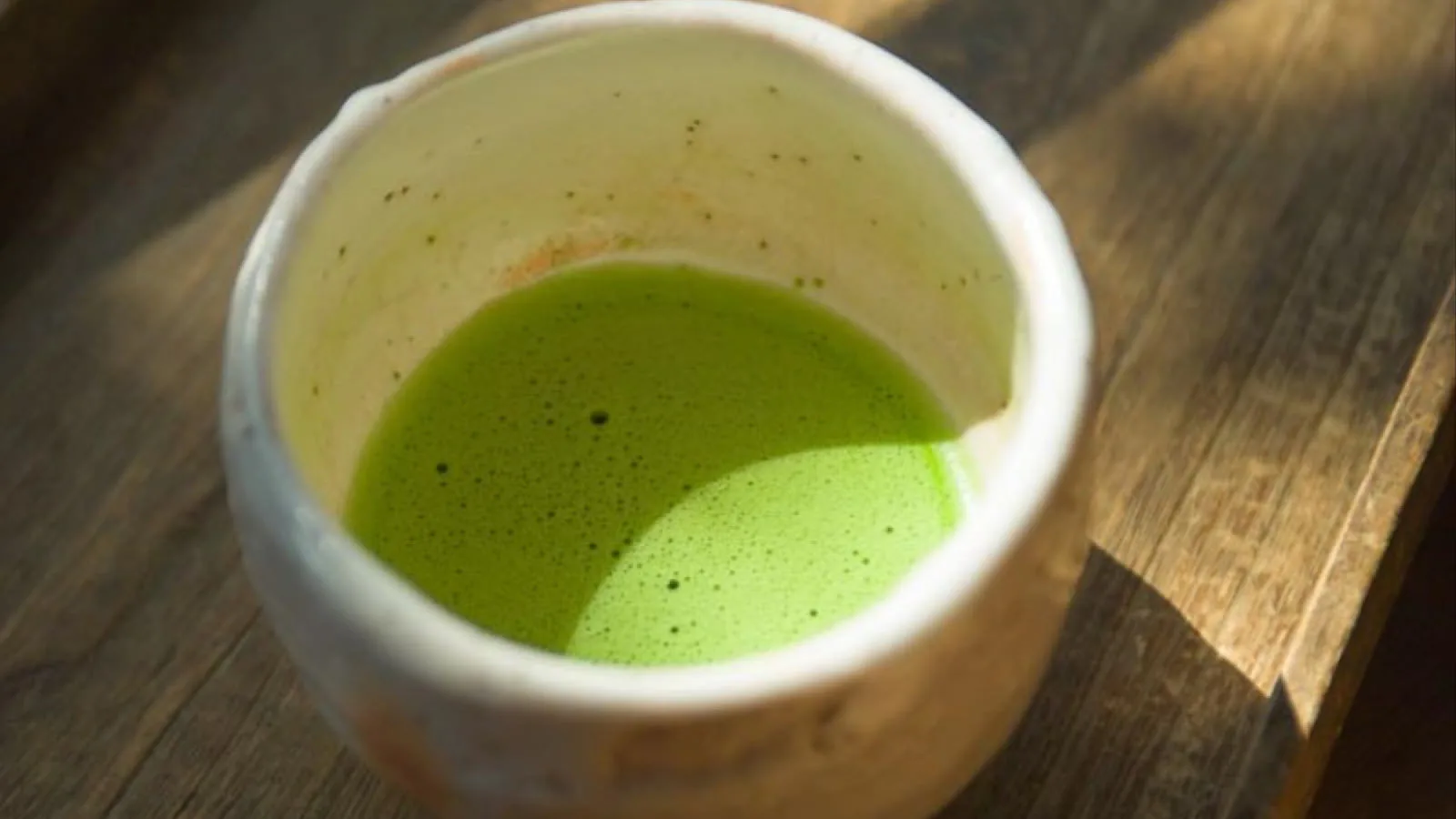
Nishio has grown tea since the 13th century, and its shaded fields produce some of Japan's finest matcha. At a matcha museum run by a historic local maker you can watch stone mills turn slowly, whisk a bowl yourself, and understand why the color is sometimes discribed 'jade.' Reservations are recommended for the hands-on sessions; the matcha sweets need no booking at all.
Late afternoon: the indigo road home
Ride back toward Nagoya and hop off along the way, into a street where the Edo period never quite ended.
16:30 - Arimatsu, then a dusk visit to Atsuta
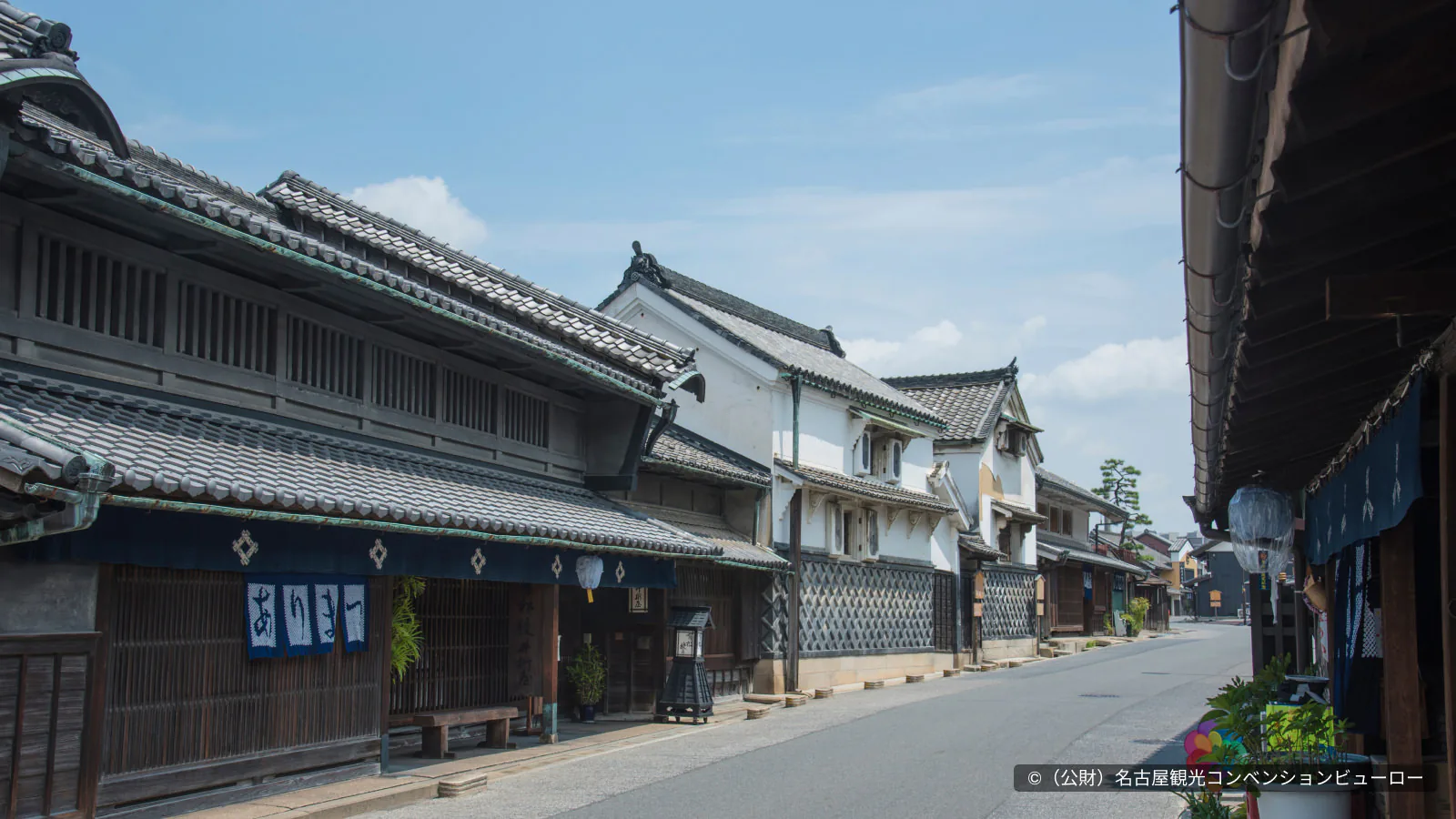
Arimatsu grew rich dyeing shibori — intricate tie-dyed indigo cloth — for travelers on the old Tokaido road, and its dark wooden merchant houses still line the street, hung with indigo noren. Browse a workshop, watch the knotting technique that takes years to master, then finish the day with a quiet dusk visit to Atsuta Jingu on the ride home.