Jay and Karolina Travel Creator
Jay and Karolina’s Journey Beyond Japan’s Golden Route
We're Jay and Karolina — a UK 🇬🇧 Polish 🇵🇱 full-time travel couple documenting real experiences, honest tips, and the places that stay with you long after you leave. And somehow, Japan always finds a way to feel just as special every time we come back. When most people visit this country, they follow the classic Golden Route — Tokyo, Kyoto, Osaka. And while it's iconic for a reason, we quickly realized something: some of the most memorable moments actually happen just slightly beyond that well-trodden path. On this trip, we wanted to explore those lesser-known stops — all still easily connected by the Tōkaidō Shinkansen. And honestly, it completely changed how we see traveling in Japan!
Starting the Journey: Tokyo Station
Our journey began at the bustling Tokyo Station — the main gateway to the Tōkaidō Shinkansen. It might look overwhelming at first, but everything is incredibly well organised — you'll find your way around much easier than you expect. Finding your gates: if you're arriving from outside, use the modern Yaesu Entrance — it brings you almost directly to the right Shinkansen gates. If you're coming from the metro, just follow the clearly marked signs for the Tōkaidō Shinkansen Line (blue).
The Shinkansen: More Than Just a Train Ride
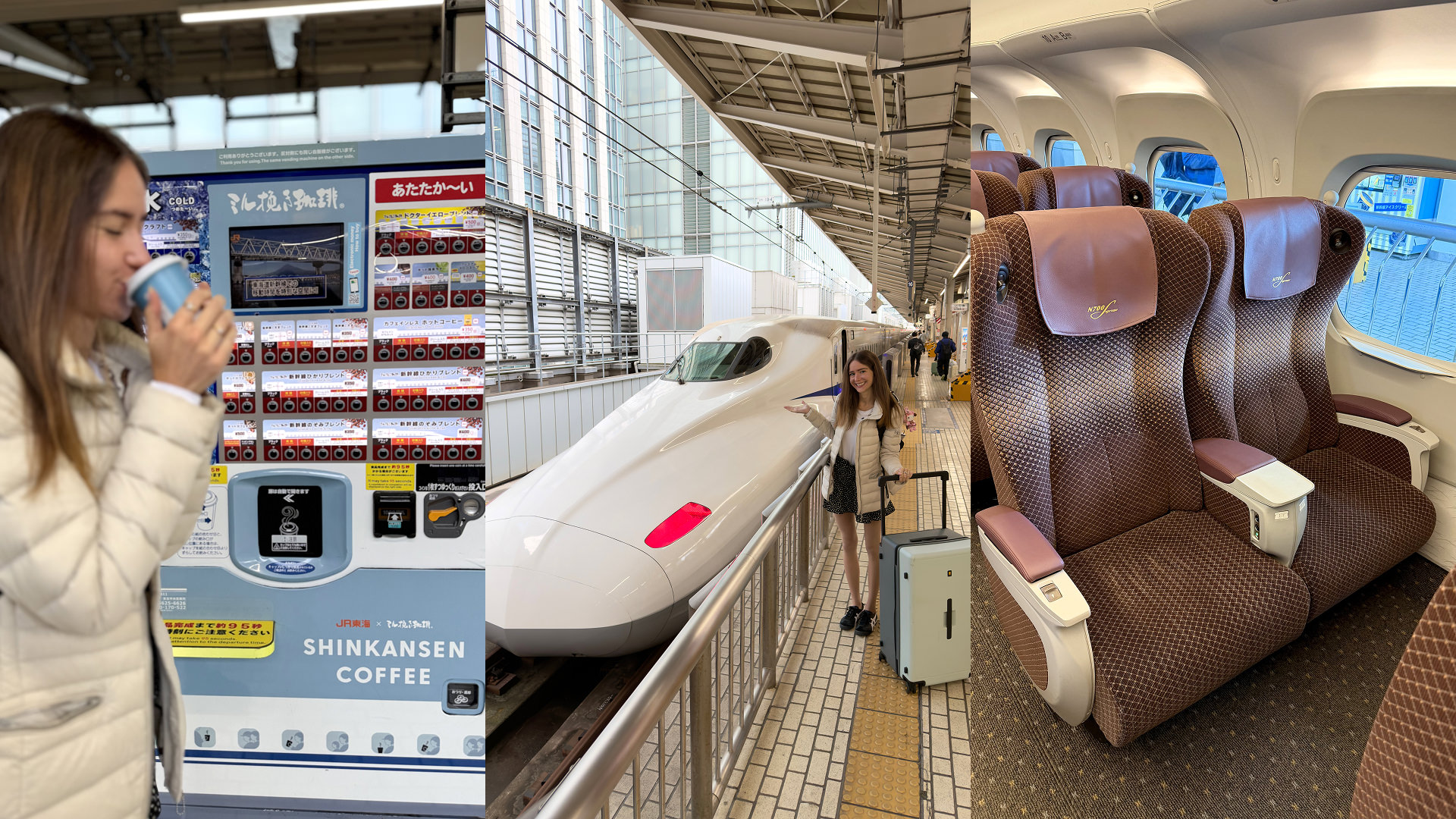
There's something about seeing a Shinkansen up close that never gets old. The design is sleek, modern, and instantly recognisable — it really does feel like stepping into the future of travel. We always recommend arriving a bit early — around 60-90 minutes before departure. It gives you time to find your platform without rushing, take a few photos, and just enjoy the atmosphere before boarding. If you're a coffee lover, it's also worth grabbing one on the platform — Shinkansen coffee is freshly brewed in under two minutes and trust me, it tastes delicious! ☕️ This time, we tried the Green Car for the first time, and it genuinely felt like a treat. More space, quieter, and just a bit more relaxed overall.
We can’t stress this enough — your seat on the Shinkansen really matters!
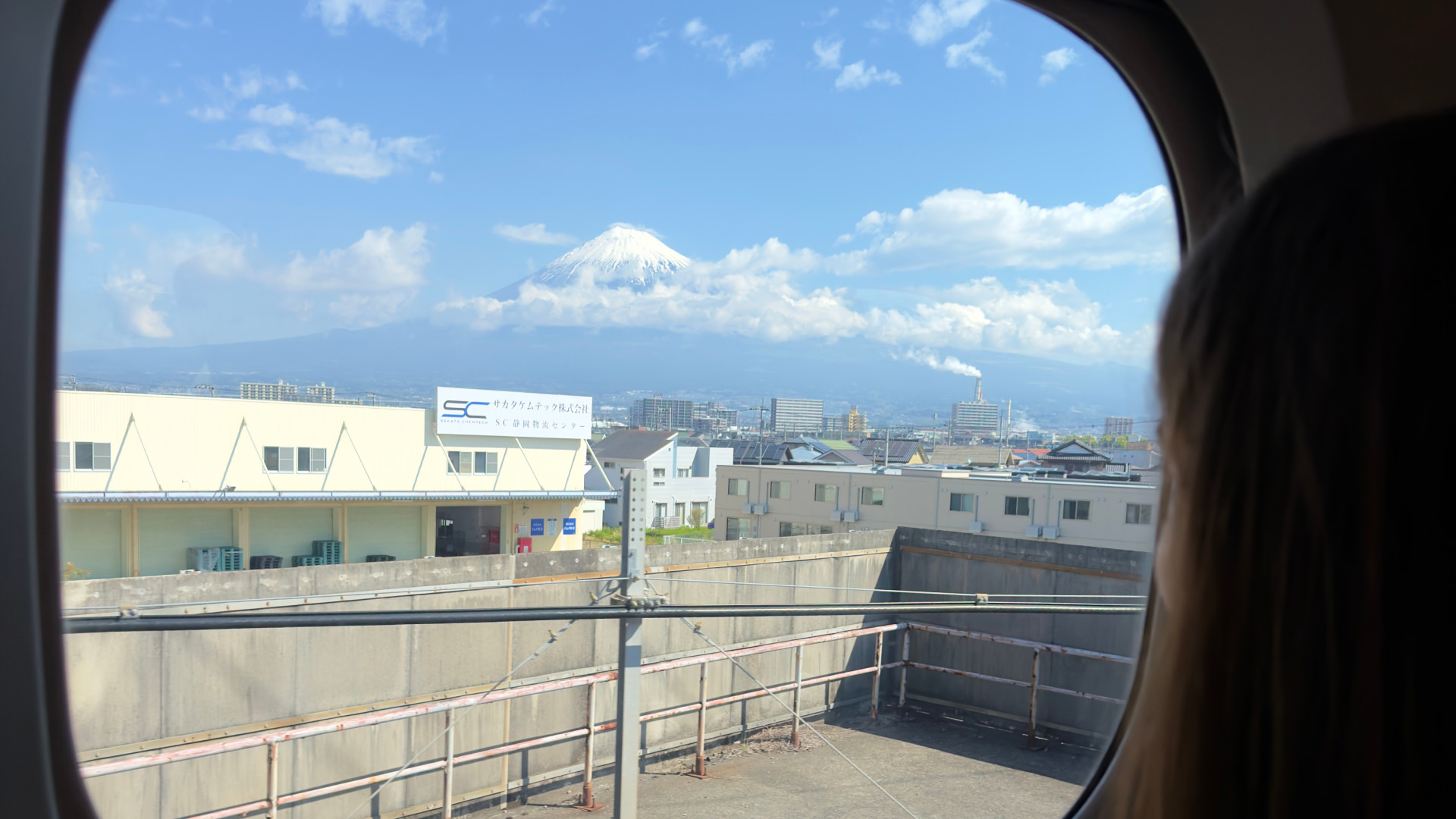
If you're travelling from Tokyo in the direction towards Kyoto or Osaka, choose a seat on the right-hand side of your train (specifically, Green Car: seats C & D / Ordinary Car: seats D & E). On a clear day, you'll get a glimpse of Mt Fuji — one of those moments that doesn't quite feel real until you see it yourself. Simply breathtaking! 🗻 Luggage tip: if your suitcase is over 160 cm in total dimensions $(H+W+L)$, it's worth reserving seats with access to the oversized luggage area.( Click here for details.)
Nagoya: The Hidden Heart of the Golden Route
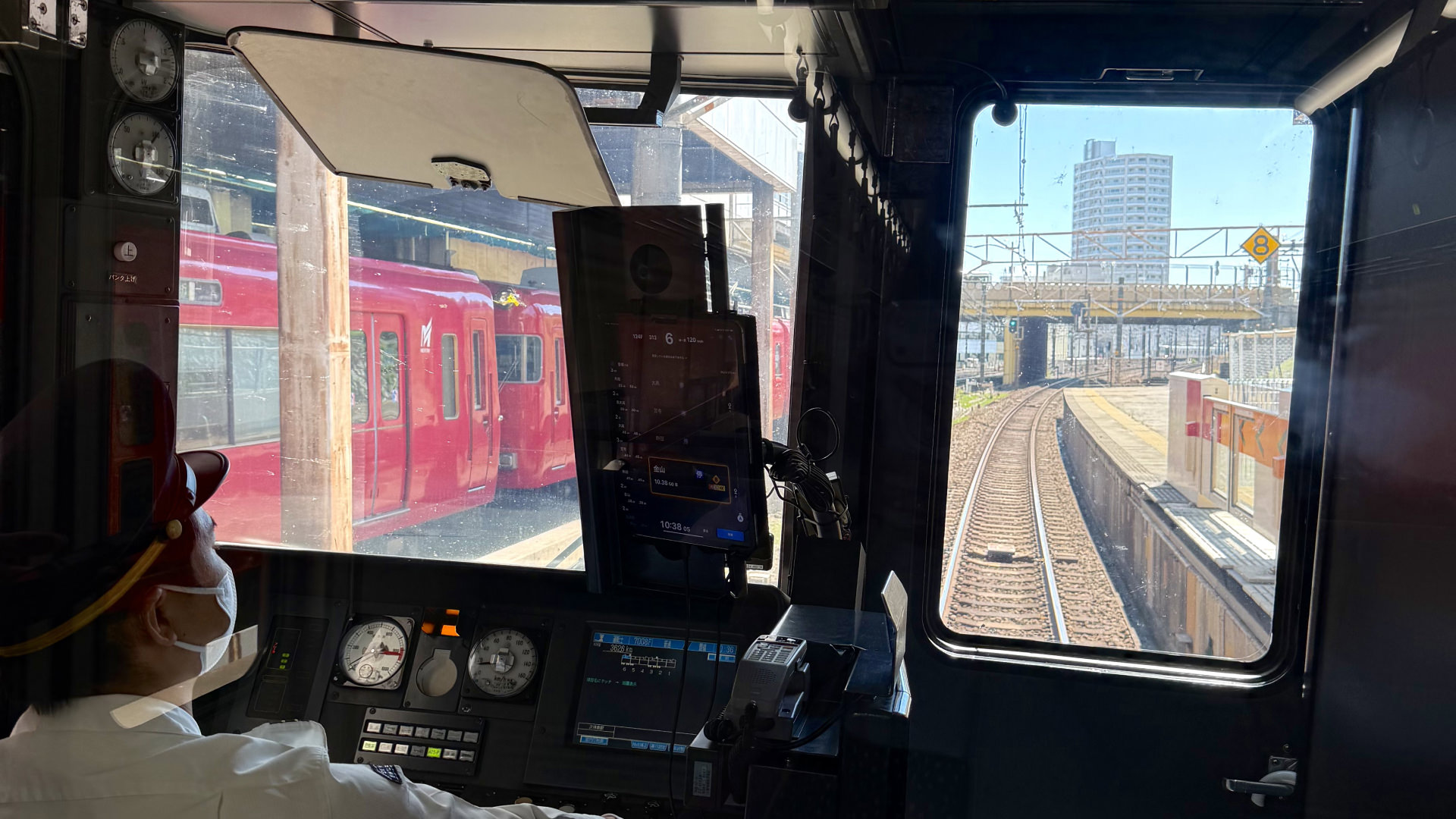
Just 1 hour and 30 minutes later, we arrived in Nagoya — Japan's third-largest city, yet often skipped by travellers, which is exactly why it felt like such a great find. Nagoya Station is incredibly well-connected and surprisingly easy to navigate, with everything in one place. There are plenty of coin lockers, but we decided to leave our suitcase at the Takashimaya Service Counter — it's open from 10 am to 8 pm, and having a staffed option just felt more convenient before heading out. It's also the perfect moment to top up your IC card — whether it's Suica, PASMO, or ICOCA — especially if you're planning to use local trains and buses around the city.
A Peaceful Escape from the City
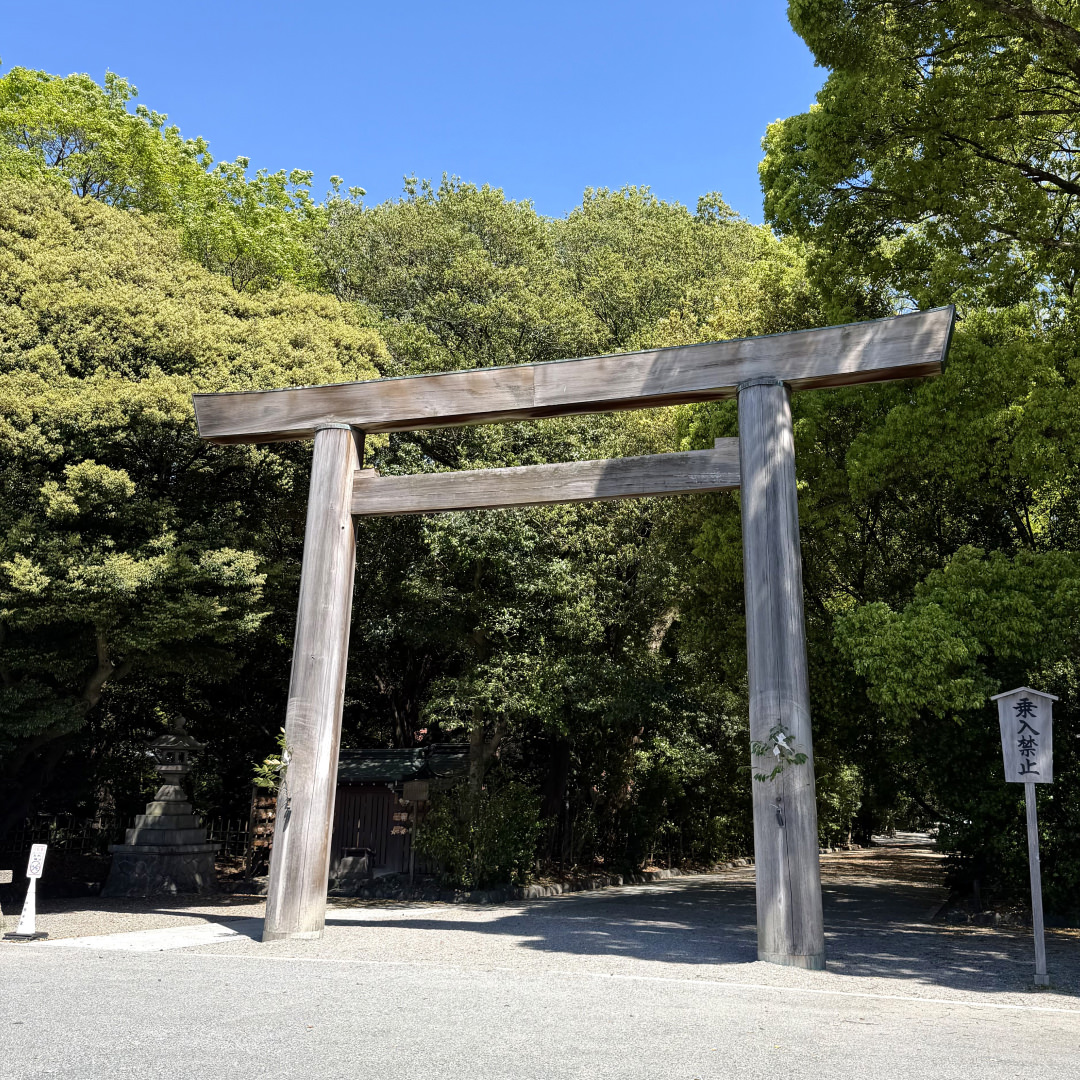
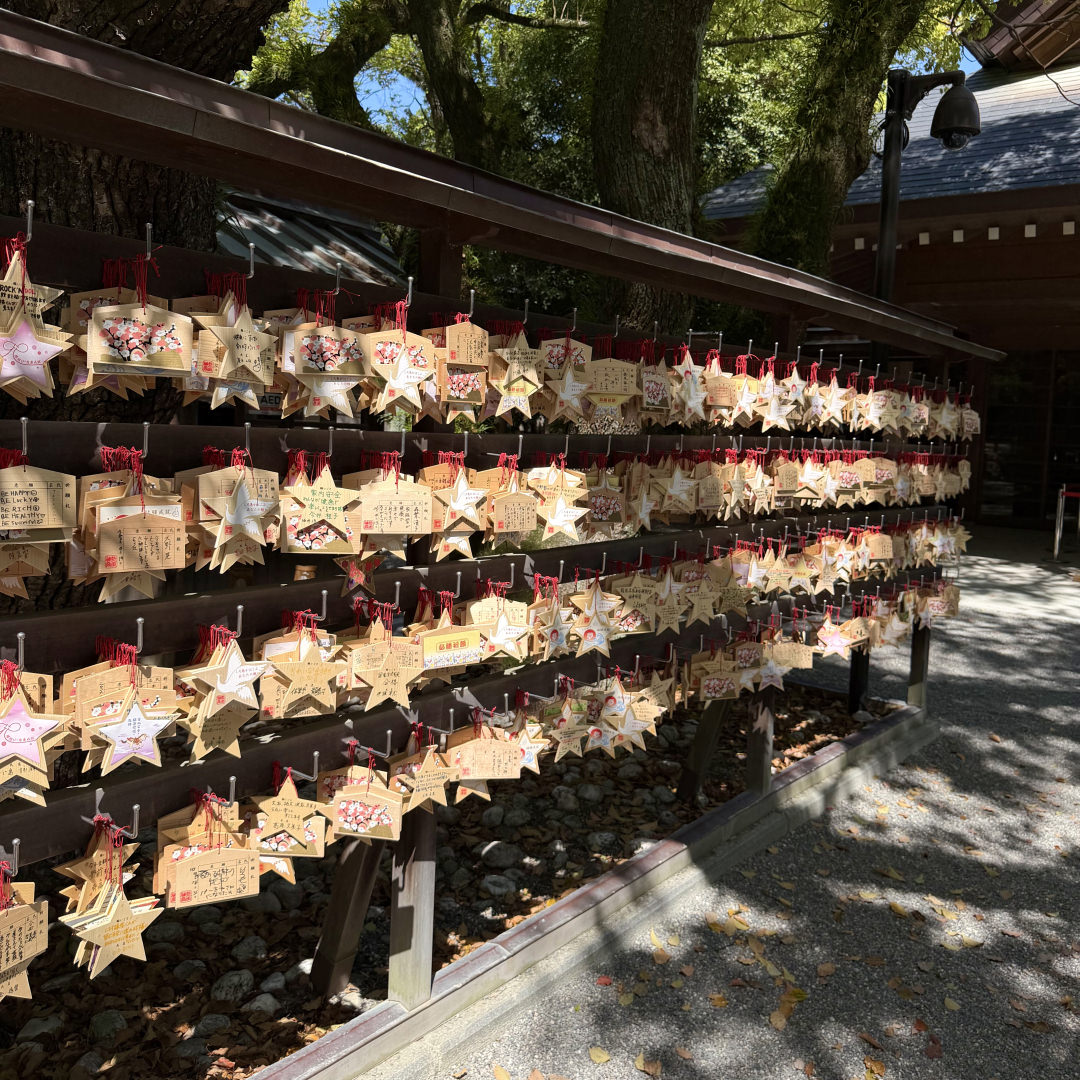
Our first stop was Atsuta Jingu — one of Japan's most important shrines, believed to house a sacred imperial sword — which just adds to that deeper sense of history when you're walking through it.
Nagoya's Famous Delicacy: Hitsumabushi
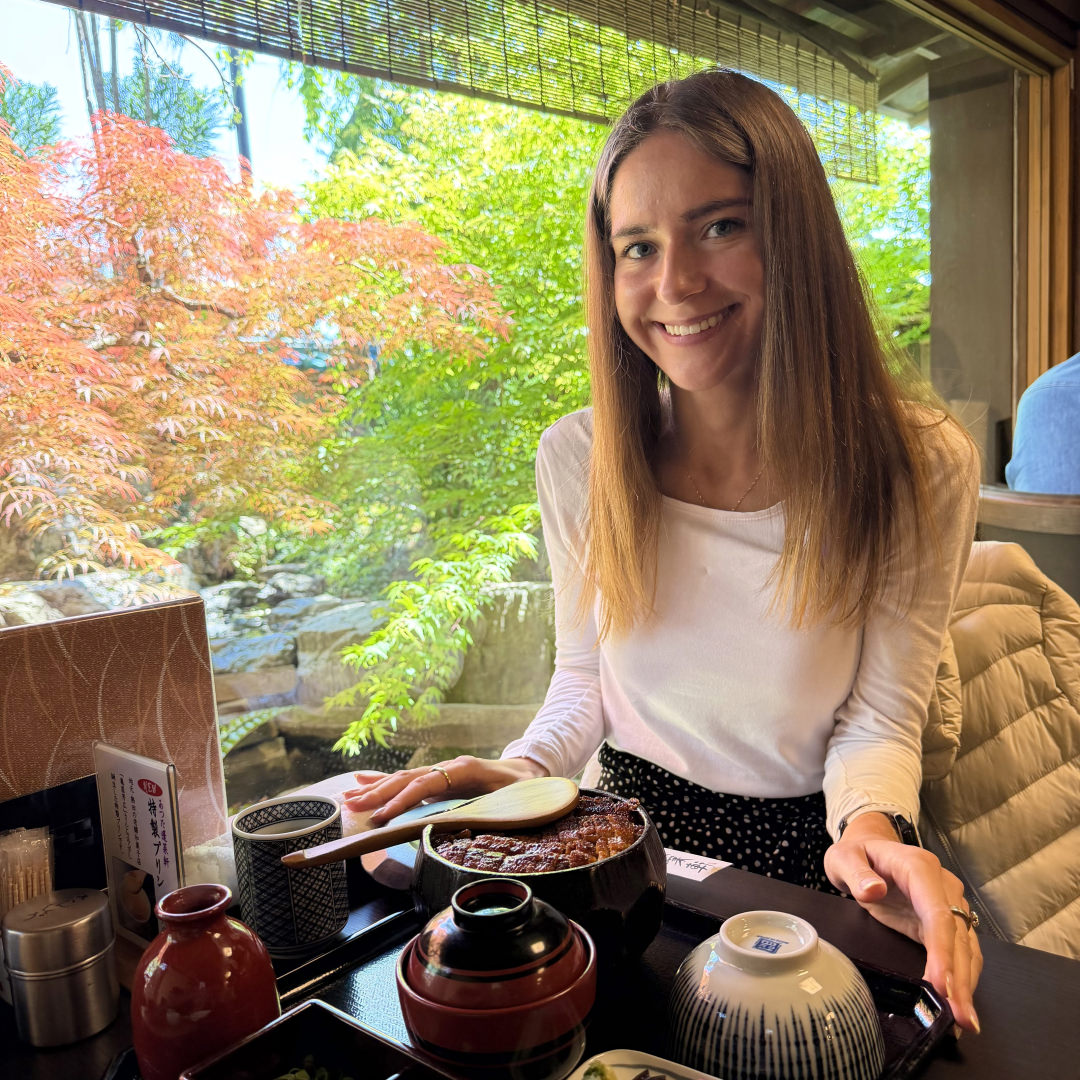
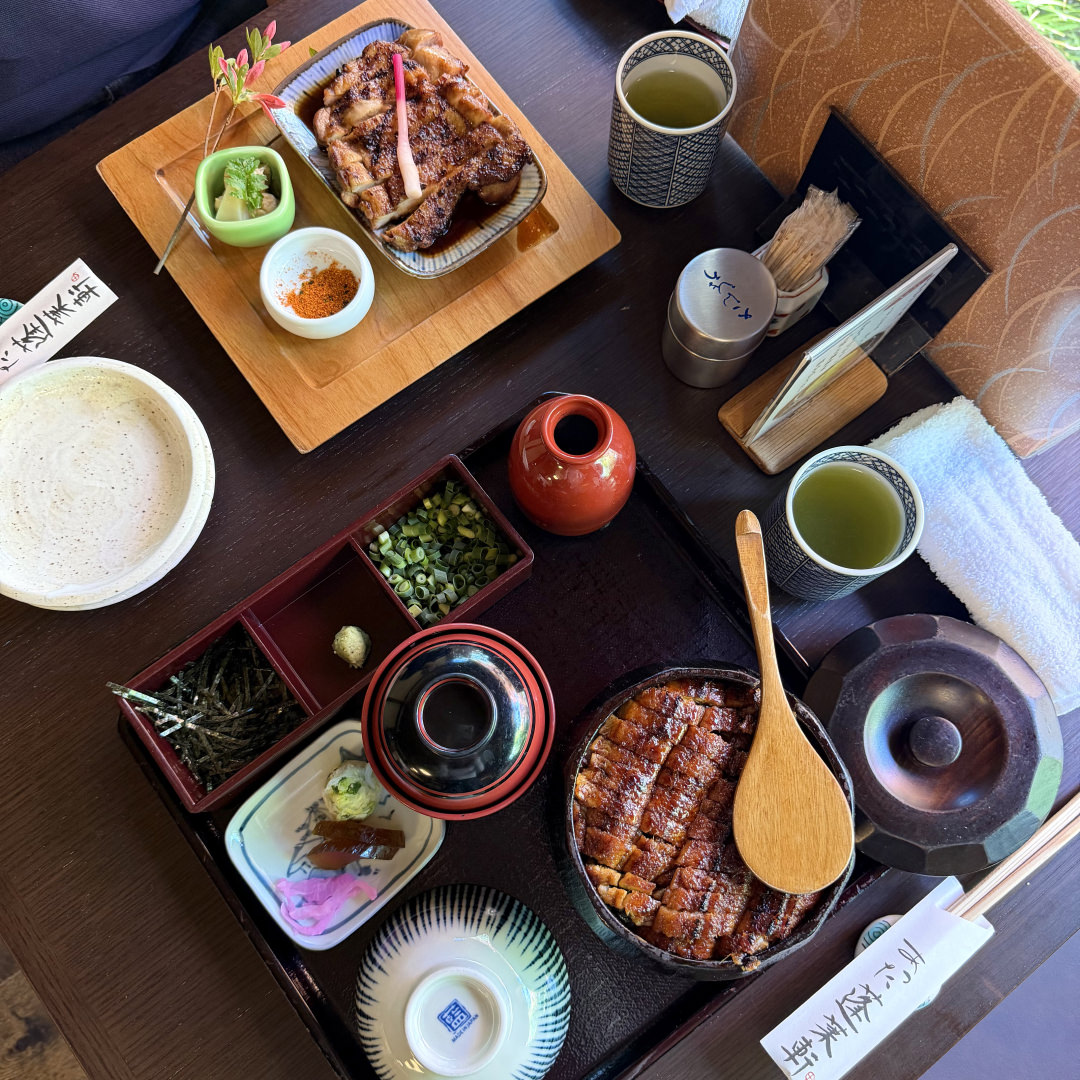
Nagoya is known for its food, so we had to try 'Hitsumabushi' — grilled eel over rice with a rich, slightly sweet glaze, traditionally enjoyed three ways: on its own, with condiments, and finished with dashi broth (with the final portion eaten however you prefer most). Quite a simple concept, but executed incredibly well! We visited Atsuta Houraiken — the family-run restaurant where this dish originated 140+ years ago!
It’s also one of Japan’s most important shrines, believed to house a sacred imperial sword — which just adds to that deeper sense of history when you’re walking through it.
Nagoya Castle — History Meets Atmosphere
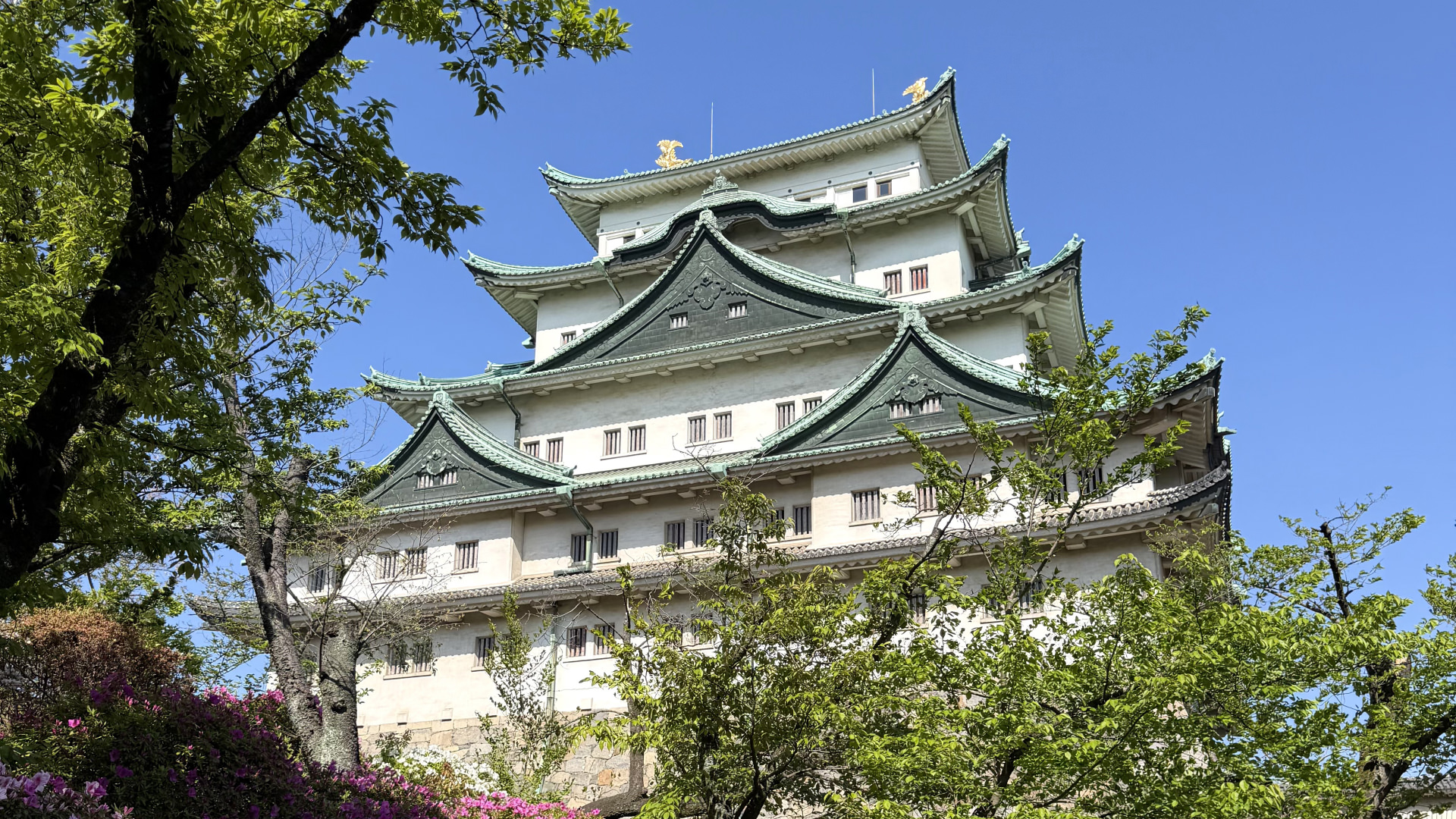
Next, we headed to Nagoya Castle. The grounds are spacious and beautifully maintained — perfect for a relaxed walk. We've even caught a late type of Cherry Blossom and spotted some ninjas around the park — which added a fun and quite unexpected touch!
Aichi — The Heart of Umami
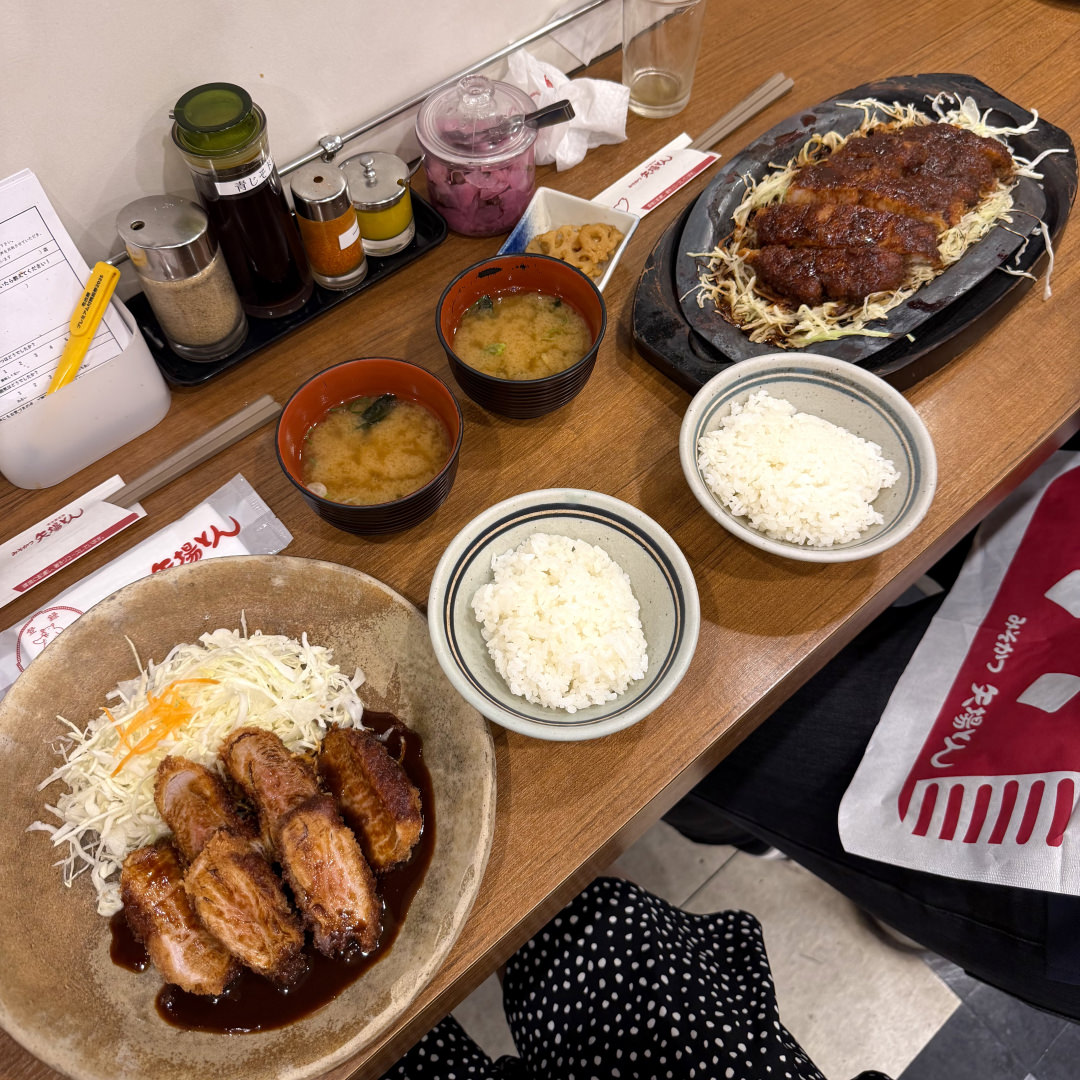
After a full day, we went for another local specialty: miso katsu. At Yabaton, we tried the 'Misokatsu' which features crispy pork cutlets covered in rich miso sauce, served with cabbage, rice, miso soup, and pickles — Nagoya's food is bold, savoury, full of character and incredibly satisfying! It's noticeably more intense than what you might find in Tokyo or Kyoto — and that's exactly what makes it so memorable!
A Night in Gifu
That evening, we took a short local train ride to Gifu and stayed at Hotel Resol Gifu, whose retro design gave us a glimpse of the city's character before exploring it the next day.
Exploring Gifu - A Step Back in Time
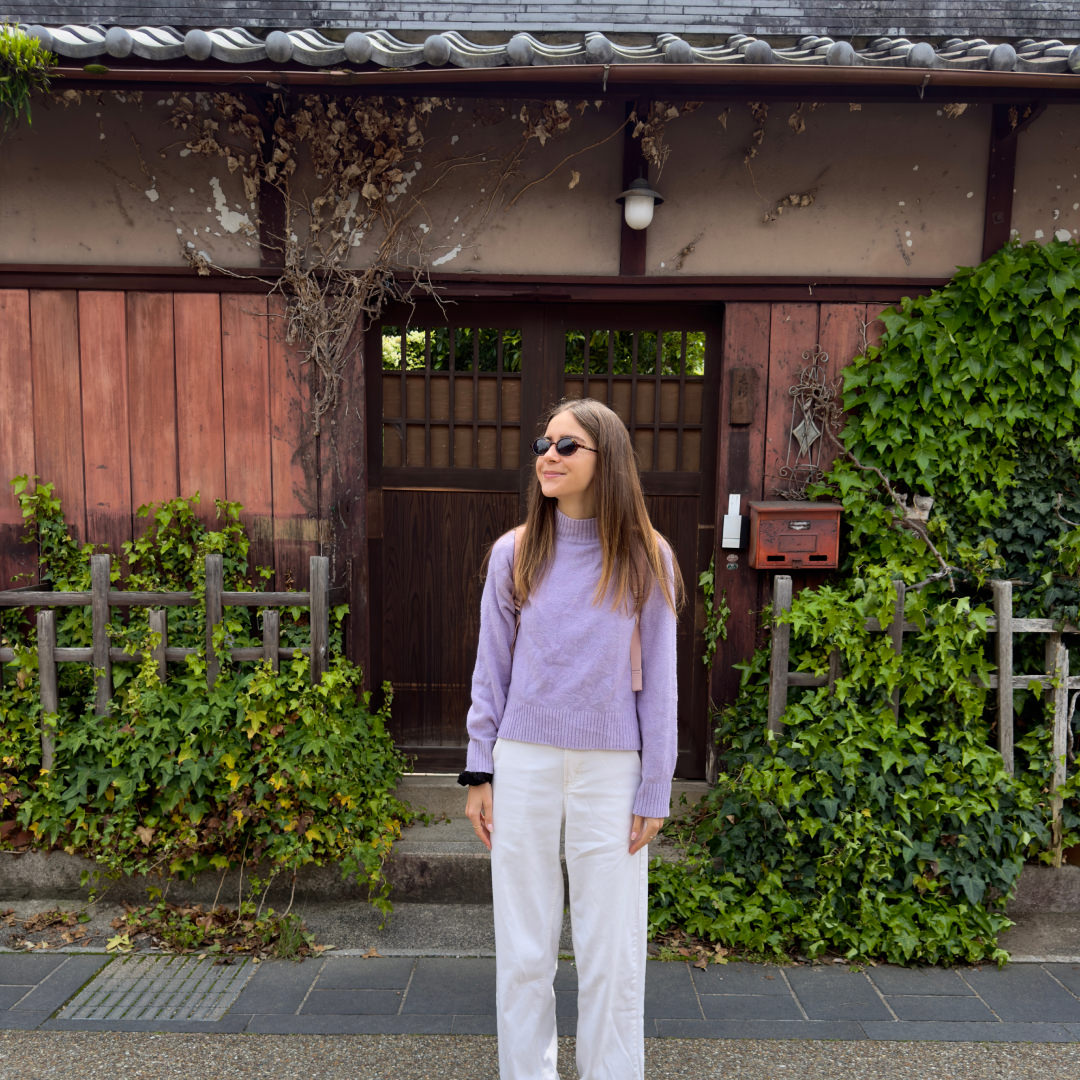
We started in Kawaramachi Historic District — a quiet area lined with traditional wooden townhouses, now home to cafés and small shops. It felt a bit like Kyoto, just without the crowds, which made it even more enjoyable to wander through at a slower pace.
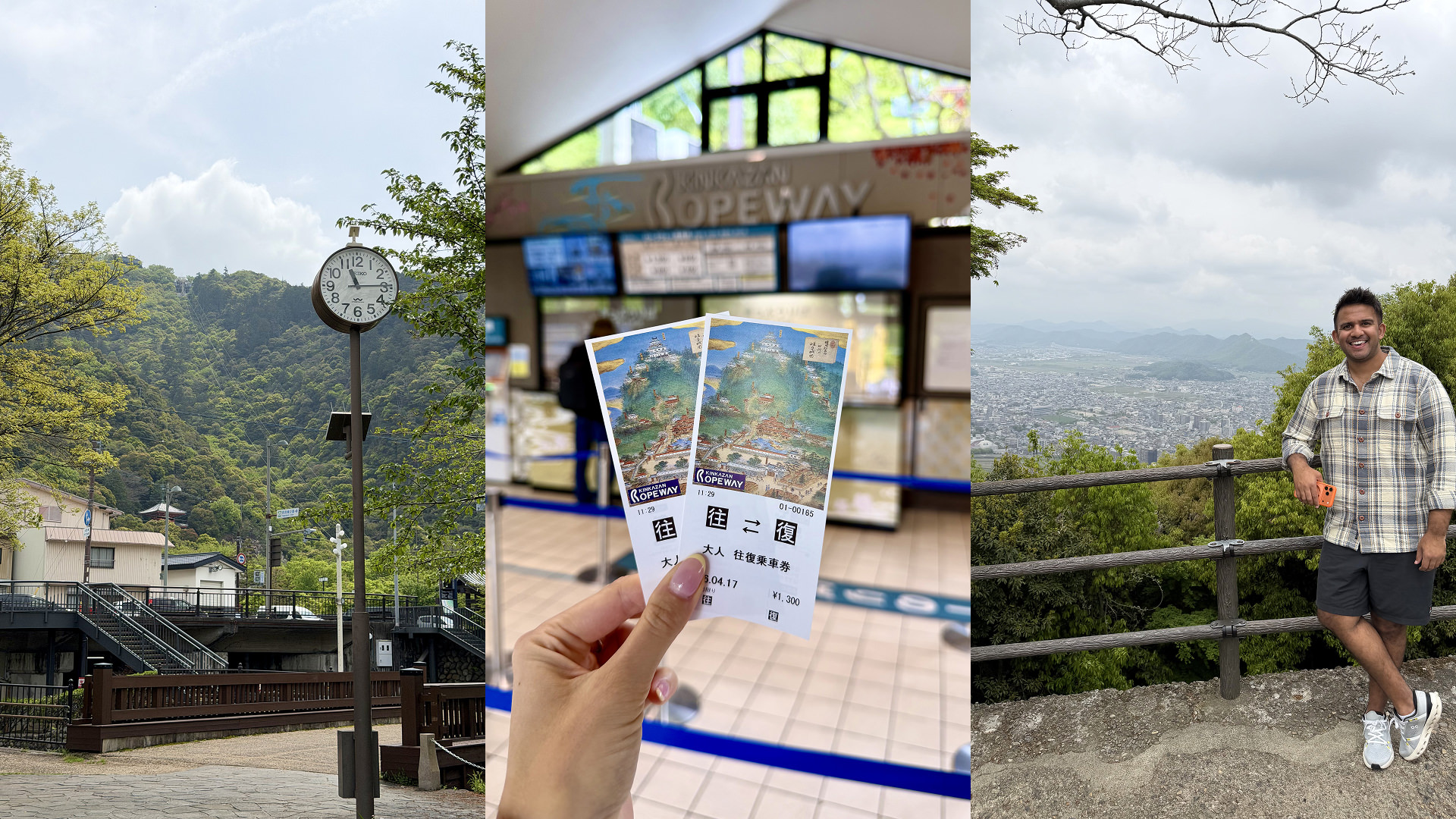
A Japanese Aerial Lift - More Than Just the Views
A short walk brought us to Gifu Park — and honestly, this ended up being one of the most peaceful spots on the whole trip. Surrounded by forest and shaded paths, it's the kind of place where you just subconsciously slow down without even realising.
From here, we took the ropeway up Mount Kinka, and as we climbed, the views gradually opened up over the city and river below — such a nice contrast between nature and skyline. At the top, we explored Gifu Castle, sitting high above everything with panoramic views across the region.
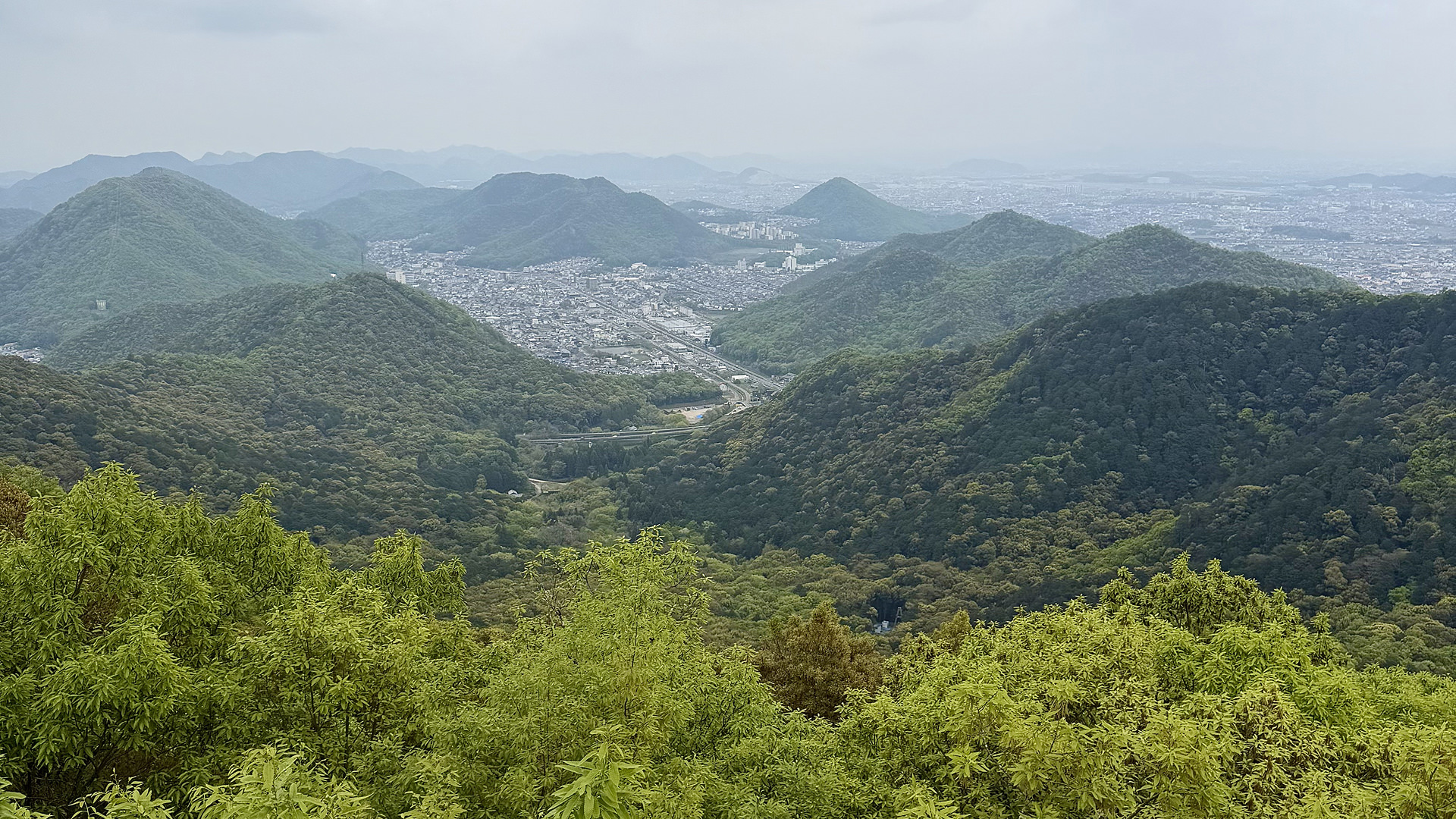
On the way down, we stopped at the most adorable Squirrel Village — the first of its kind in Japan, dating back to the 1960s. And for me, this turned into one of those little "pinch me" moments... standing there in Japan, feeding these tiny, gentle squirrels — it genuinely felt like something out of a fairytale!

A Coffee Shop Frozen in Time
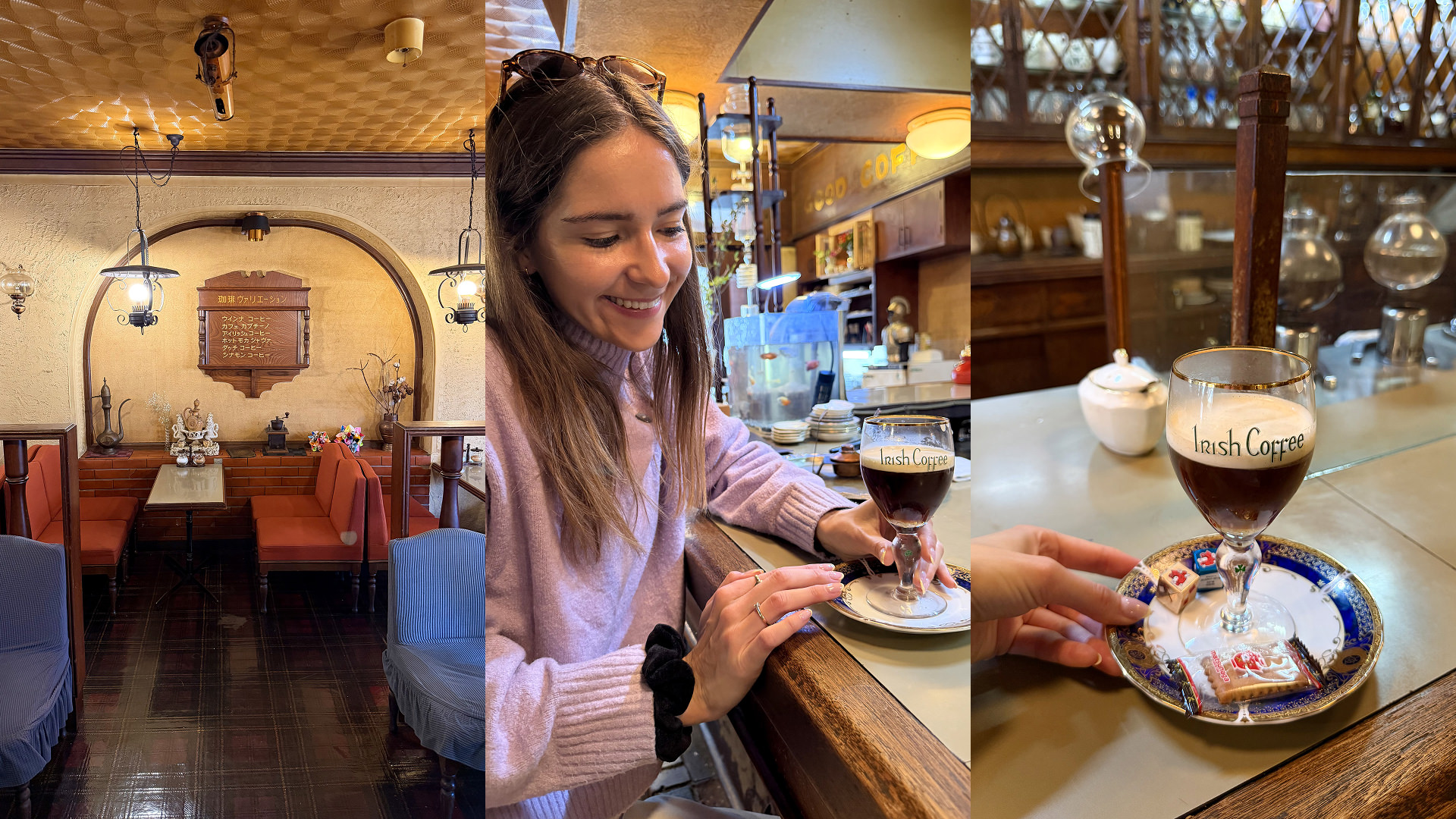
One of our favourite stops in Gifu was Le Monde Café — a traditional kissaten but turned into a retro Irish bar. Run by its long-time owner, the space feels like stepping into another era. His signature Irish coffee is carefully prepared in the form of a show, making the whole experience feel extra special.
Last-Minute Changes? No Problem in Japan.
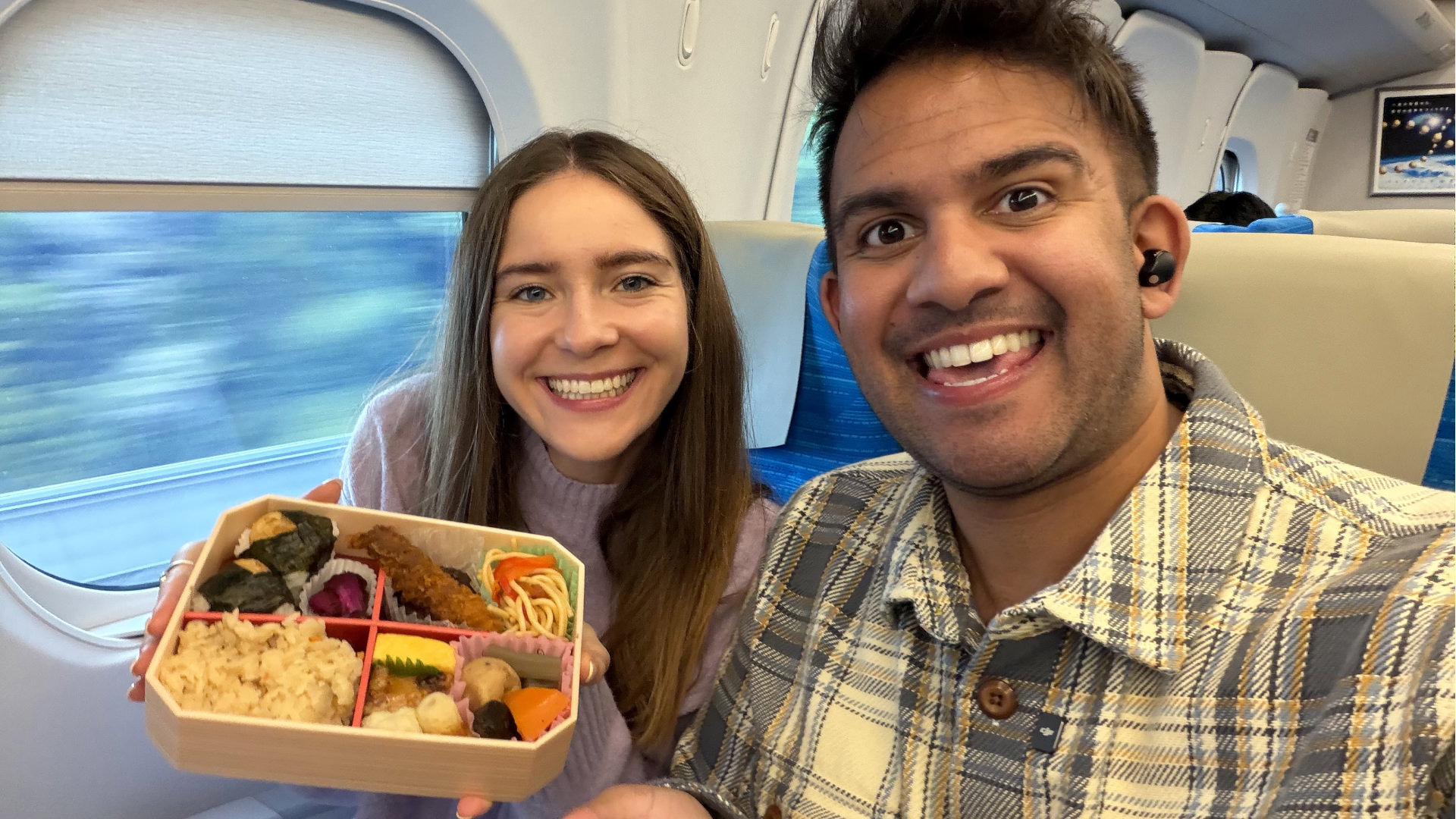
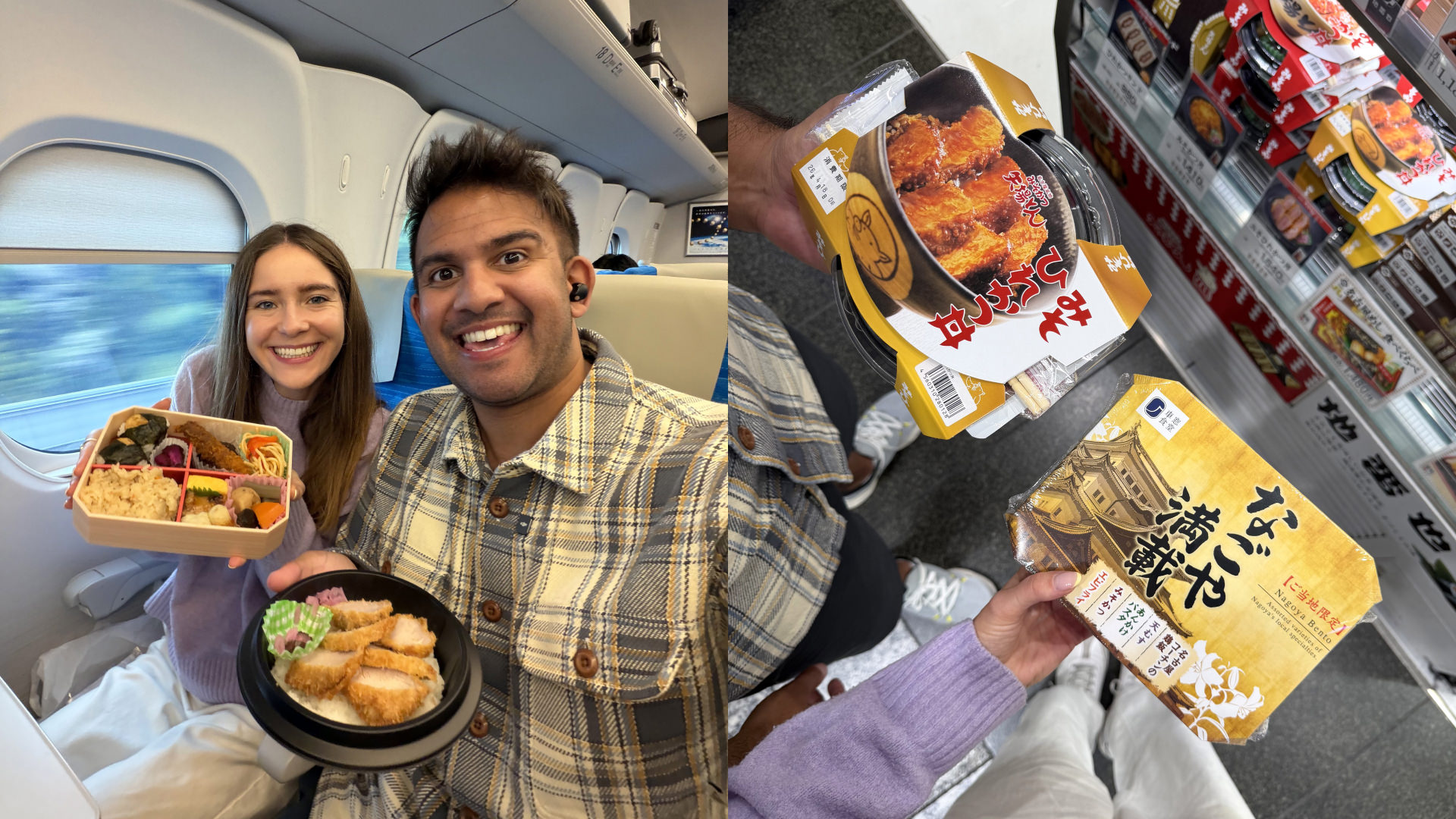
We actually decided to head from Nagoya to Osaka earlier than planned. Instead of being locked into our original train, we used the Shinkansen reservation service (SmartEX) to switch to an earlier departure — and what’s honestly mind-blowing is you can amend your tickets right up until your original train departs — as long as the new train you switch to is still at least 4 minutes away from departure! It makes those last-minute changes incredibly easy, and takes the stress out of travelling completely. We couldn't miss out on the classic Shinkansen ride — so we picked up an 'Ekiben' — Japanese lunch box designed specifically for train travel from PLUSTA, boarded the Shinkansen again, but this time the Ordinary Car and just enjoyed the journey watching Japan pass by at high speed. Less than an hour later, we arrived at Shin-Osaka Station. We stayed at Remm Shin-Osaka, just around the corner from the Shinkansen tracks. After a full day, being able to walk straight from the platform to the hotel was incredibly convenient!
Osaka - Japan's Food Capital
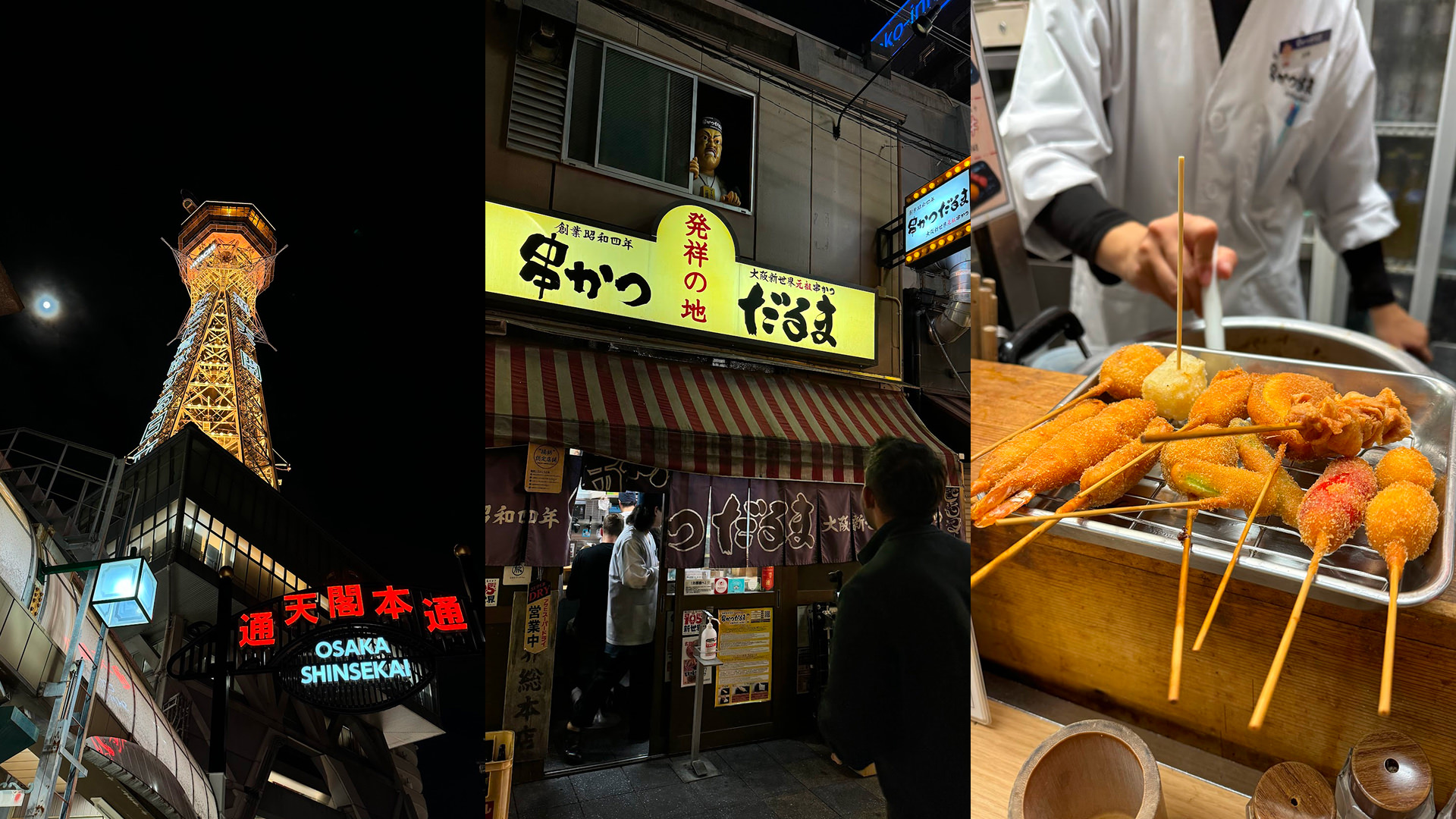
Osaka is known as "Japan's Kitchen" — and it definitely lives up to it. So straight on that first evening we went to the iconic Kushikatsu Daruma to try 'Kushikatsu' — deep-fried skewers of meat, seafood, and vegetables. Lively atmosphere, simple rules (no double dipping in sauce), and traditionally paired with cold, refreshing beverages like a glass of Japanese beer, sake, wine — so we have ordered our favourite which is 'Umeshu' (Japanese plum wine) — and that was such a perfect way to end the day!
Discover More Along the Golden Route
This trip showed us a completely different side of Japan — quieter, more local, and genuinely unforgettable. And what made it all feel so effortless was how seamlessly everything is connected by the Tōkaidō Shinkansen. The Golden Route will always be iconic... but stepping just slightly beyond it into places like Aichi Prefecture or Gifu Prefecture adds a whole new layer to the journey. For us, it was those quieter, unexpected moments that ended up meaning the most — and it's made us even more excited to keep exploring the lesser-known parts of Japan.